| Metric | Value |
|---|---|
| Articles in this hub(Ancourage Academy content library) | 65+ |
| Top study method(Cognitive science research on learning) | Active recall + spaced repetition |
| Recommended revision lead time(Ancourage Academy tutor recommendations) | 3–6 months before national exams |
About Study Tips & Exam Prep
Study skills are often the most overlooked factor in academic success. Two students with identical content knowledge can score very differently based on how they revise, manage their time, and approach examinations. The good news is that effective study techniques are learnable skills, not innate talents.
Research in cognitive science consistently shows that certain methods — active recall, spaced repetition, and interleaved practice — produce significantly better retention and exam performance than passive re-reading or highlighting. Yet many students in Singapore still rely on less effective methods out of habit.
- 65+ practical articles: From building a revision timetable for PSLE to managing JC workload, our guides cover study strategies tailored to every stage of Singapore's education system.
- Past year paper strategy: Simply doing past papers is not enough. Our articles explain how to use them strategically — identifying patterns, timing yourself, reviewing mistakes systematically, and tracking improvement over time.
- Stress and well-being: Examination anxiety is real and can significantly impact performance. This hub includes evidence-based approaches to managing stress, maintaining motivation, and balancing study with rest.
Whether your child is developing study habits for the first time in Primary school or refining revision strategies for the A-Levels, the techniques in this hub are grounded in both cognitive science and years of practical classroom experience.
Articles
Essential Guides (5 articles)
tipsHow to Use Past Year Exam Papers Effectively in Singapore
Doing past year papers without a strategy wastes time. Here is a structured method covering timed practice, error journals, and topic-frequency analysis for every exam level.
By Min Hui • • 10 min readtips
Exam Stress in Singapore: What Helps Students
Strategies for managing exam stress in Singapore — recognising anxiety signs, coping techniques, when to seek help, and what parents should avoid.
By Charmaine • • 11 min read
researchAI Study Tools and ChatGPT for Students: Parent Guide
AI tools like ChatGPT and MOE's Student Learning Space are changing how Singapore students study. Here is what parents need to know about responsible use and common pitfalls.

By Syafiq • • 11 min read
teachingHelping a Struggling Student Catch Up in Singapore
When a child falls behind academically, the cause is usually one of three things: knowledge gaps, motivation issues, or learning style mismatches. Each requires a different approach.
By Min Hui • • 10 min read
teachingHow to Motivate a Reluctant Learner in Singapore
A reluctant learner is not always a lazy learner. Motivation drops for specific reasons — understanding which one applies to your child determines which strategies will work.
By Charmaine • • 11 min read
PSLE (21 articles)
teachingSec 1 Maths: What Changes from PSLE and How to Adapt
Secondary 1 mathematics introduces formal algebra, geometric reasoning, and data analysis that go far beyond PSLE. Here is what Singapore parents need to know.
By Min Hui • • 15 min read
teachingP4 to P5 Science: Why Grades Drop and How to Prepare
Science grades often drop between P4 and P5 because the syllabus shifts from recall-based questions to application and analysis. Here is what changes and how to prepare early.
By Charmaine • • 9 min read
tipsPSLE Comprehension: Inference, OEQ and Visual Text Guide
PSLE English comprehension requires inference skills, precise open-ended answers, and visual text interpretation. Here are answering techniques by question type with worked examples.
By Charmaine • • 9 min read
tipsPSLE English Editing: How to Spot and Correct Grammar Errors
The PSLE English editing section tests grammar and spelling error identification. Here are the most common error types and a systematic approach to spotting them.
By Charmaine • • 10 min read
tipsP6 Maths 2026: Algebra, Ratio & Singapore Syllabus Changes
The 2026 P6 maths syllabus extends algebra with equation-solving, consolidates ratio at P6, moves average from P5, and removes speed from primary entirely.
By Min Hui • • 14 min read
teachingModel Drawing to Algebra: Bridging Pri-Sec Maths
The number-one P6-to-Sec 1 maths challenge is transitioning from visual model drawing to abstract algebraic thinking and equations — here is how to bridge the gap.
By Min Hui • • 14 min read
tipsPSLE Chinese Composition: How to Score AL1-AL2
Proven strategies for scoring AL1-AL2 in PSLE Chinese composition — from the four-paragraph structure (起承转合) to building a personal phrase bank that examiners reward.
By Angie • • 17 min read
tipsPSLE English Oral 2026: New Format Practice Guide
The PSLE English Oral raises weighting to 20%, introduces photo-based Stimulus-Based Conversation, and adds a purpose-audience-context preamble to Reading Aloud.
By Min Hui • • 14 min read
teachingPSLE Science Misconceptions That Cost Marks
Content-level science misconceptions that students carry into PSLE — how to identify incorrect mental models about energy, photosynthesis, and heat transfer, and correct them before the exam.
By Charmaine • • 16 min read
teachingSec 1 English: Why Strong PSLE Students Struggle
High-scoring PSLE English students often drop in Sec 1 because secondary English demands fundamentally different skills. Here is what parents can do about it.
By Min Hui • • 14 min readtips
How to Score Well in PSLE: Subject-by-Subject Strategies
Score well in PSLE with subject-specific strategies for English, Maths, Science, and Chinese — target AL band boundaries where small mark gains shift achievement levels.
By Min Hui • • 15 min read
tipsPSLE Revision: A Complete Study Guide for All 4 Subjects
Effective PSLE revision requires subject-specific strategies, consistent practice, and targeted review of weak areas across all four subjects in Singapore.
By Min Hui • • 10 min readtips
PSLE English Composition: How to Score Well
PSLE English composition strategies — planning techniques, paragraph structure, vocabulary use, and marking criteria that help students write scoring essays.
By Charmaine • • 12 min readtips
PSLE Maths: Strategies That Help Students Score
PSLE Maths tests application, not memorisation. Technique and time management matter more than content knowledge for most students preparing for the exam.
By Min Hui • • 13 min readtips
PSLE Science: Answering Techniques That Score
PSLE Science answering techniques that target how examiners mark — structured responses, process skills, and common mistakes to avoid for Booklet A and B.
By Charmaine • • 12 min readtips
P6 to Sec 1: What to Do After PSLE Results
The jump from P6 to Sec 1 is Singapore’s biggest school transition. Here is how to use the November–January window to prepare your child before Day 1.
By Charmaine • • 11 min read
teachingPSLE Maths Heuristics: 12 Problem-Solving Methods
MOE prescribes 12 heuristics for PSLE Mathematics problem solving. Here is what each method does, when to use it, and how to practise effectively.
By Min Hui • • 10 min readtips
PSLE Chinese Preparation for Woodlands Primary Schools
PSLE Chinese strategies for Woodlands students from Si Ling and mainstream primary schools. Master oral, composition, and comprehension for AL1-AL3.
By Angie • • 8 min read
tipsPSLE Math Preparation for Woodlands Primary Schools
Five must-know PSLE maths heuristics — model drawing, guess-and-check, work backwards — plus school-specific patterns for Woodlands P5-P6 students.
By Min Hui • • 8 min readteaching
Primary Science Tips in Singapore: Answering Techniques
PSLE Science strategies — answer structured questions clearly, avoid concept errors, and apply process skills using examiner-friendly methods.
By Charmaine • • 8 min read
teachingPrimary Maths Mistakes in Singapore: What Fixes Work
After years of tutoring Primary students in Singapore, here are the maths mistakes we see regularly — and the practical strategies that work.
By Min Hui • • 10 min read
O-Level (32 articles)
teachingA-Maths Calculus: Differentiation and Integration Guide
Calculus is the most feared A-Maths topic, but O-Level / SEC differentiation and integration follow learnable rules. Covers key rules, applications, and common mistakes.
By Gabriel • • 11 min read
tipsE-Maths Topic Weightage: Where the O-Level Marks Are
Not all E-Maths topics carry equal weight in O-Level / SEC exams. Algebra and Number consistently account for roughly 50% of marks — making them the highest-value revision targets.
By Gabriel • • 8 min read
tipsSec 4 Maths Revision Plan: O-Level / SEC Countdown
A structured Sec 4 maths revision plan covering April to October — with monthly topic focus, practice paper integration, and separate tracks for E-Maths and A-Maths students.
By Min Hui • • 10 min read
tipsO-Level Art Singapore: Coursework & Exam Prep Guide
O-Level Art 6114 assesses through a Portfolio (50%) and Visual Response exam (50%). Guide to what examiners look for and how to prepare effectively.
By Angie • • 13 min read
tipsO-Level E-Maths: Common Mistakes That Cost Marks
O-Level E-Maths mistakes fall into three categories: algebraic manipulation errors, formula misapplication, and exam technique failures. Here is how to identify and fix each type before the exam.
By Min Hui • • 14 min read
tipsO-Level Maths Exam Technique: Maximising Every Mark
Exam technique alone can recover 10-20 marks in O-Level / SEC maths. Time allocation per mark, workings presentation, and Paper 1 vs Paper 2 strategies make a measurable difference.
By Gabriel • • 16 min read
tipsSec 3 Maths: Why Grades Drop and How to Recover
Sec 3 is when most secondary maths grades drop — E-Maths topics jump in difficulty and A-Maths introduces entirely new concepts. Here is a topic-by-topic recovery guide for both subjects.
By Min Hui • • 15 min read
tipsA-Maths Survival Guide: When Additional Maths Gets Hard
Additional Mathematics overwhelms many Sec 3 students because it demands abstract thinking that E-Maths does not. Here is a topic-by-topic recovery plan for students falling behind.
By Min Hui • • 10 min read
teachingHigher Chinese 文言文: Study Guide for Students
文言文 (classical Chinese) is the most challenging part of Higher Chinese for Singapore students. Practical reading strategies, common classical particles, and exam techniques that work.
By Angie • • 10 min read
tipsO-Level Situational Writing: Formats, Tone and Register
O-Level / SEC English situational writing carries 30 marks and tests format accuracy, tone, and task fulfilment. Here are templates and strategies for every text type students encounter.
By Gabriel • • 9 min read
researchPrelim vs O-Level Results: What the Numbers Actually Show
Most students improve 1-2 grades between prelim and O-Level exams. Here is what the data shows by subject, and how to use prelim results strategically.
By Min Hui • • 10 min read
tipsScience Practical and Lab Exam Prep in Singapore
Science practical exams test observation, measurement, and data analysis — skills that textbook study alone cannot build. Here is how to prepare for Physics, Chemistry, and Biology practicals.
By Syafiq • • 9 min read
teachingTeenager Struggles with Chinese: English-Family Guide
English-dominant teenagers often disengage from Chinese because the language feels disconnected from their identity. Here is why it happens and what actually helps rebuild confidence and grades.
By Angie • • 10 min read
tipsO-Level / SEC Chinese Oral & Listening Strategies
The two most underprepared O-Level / SEC Chinese exam components — oral communication and listening comprehension — are highly improvable with targeted strategies that build fluency and confidence.
By Angie • • 16 min read
tipsSEC Exam 2027: Subject-by-Subject Preparation
Practical strategies for preparing for every SEC exam subject in 2027 when zero past papers exist and the first cohort is already in Secondary 3.
By Min Hui • • 17 min read
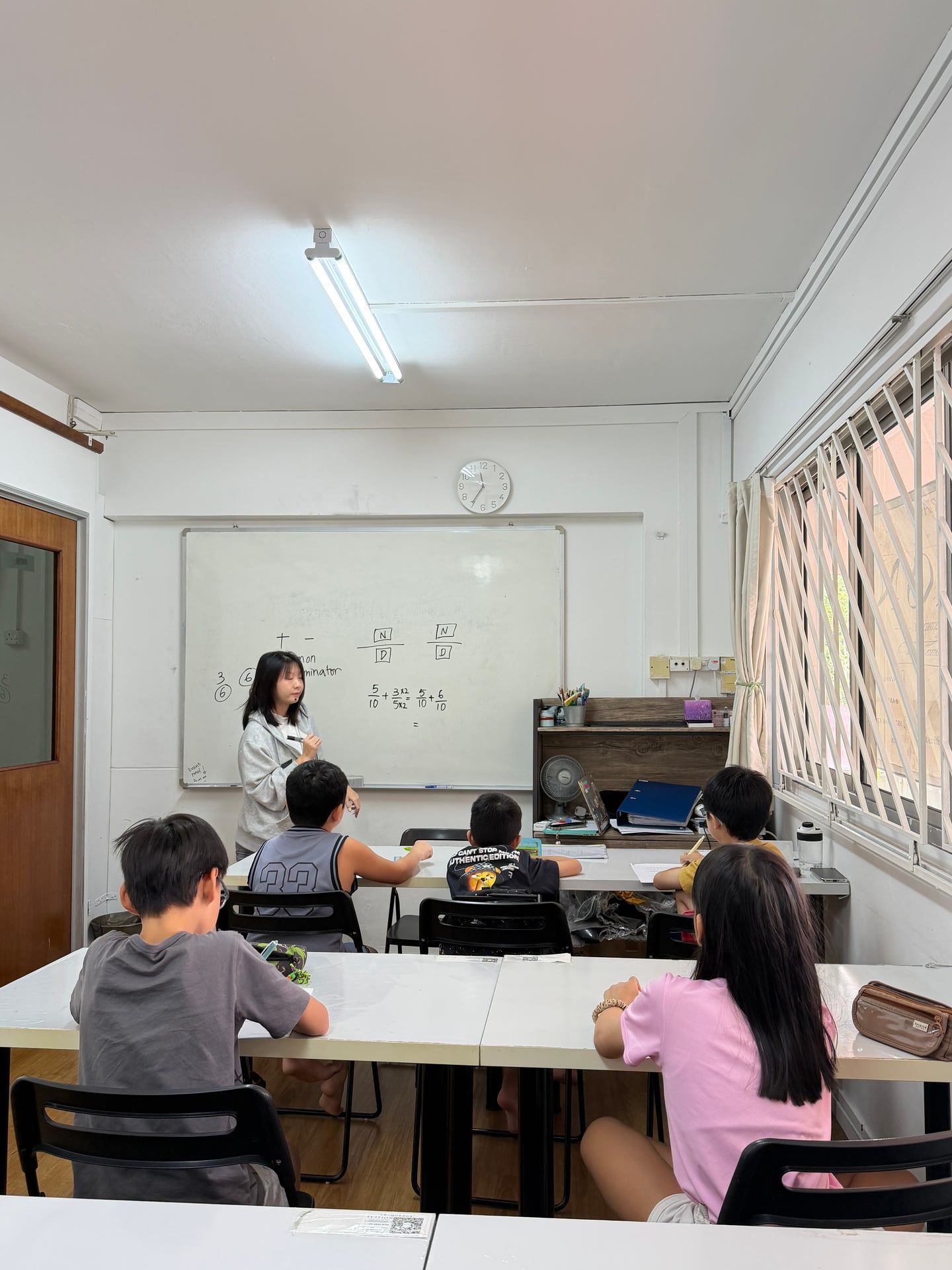
teachingSec 1-2 Science: Studying Three Sciences at Once
Sec 1-2 students study Physics, Chemistry, and Biology as one integrated subject. Here is how to build strong foundations across all three disciplines effectively.
By Charmaine • • 15 min readtips
Secondary Chinese: Strategies for O-Level and SEC Success
O-Level and SEC Chinese strategies — comprehension, essay writing, and oral exam techniques for secondary students preparing for Chinese exams in Singapore.
By Angie • • 11 min readtips
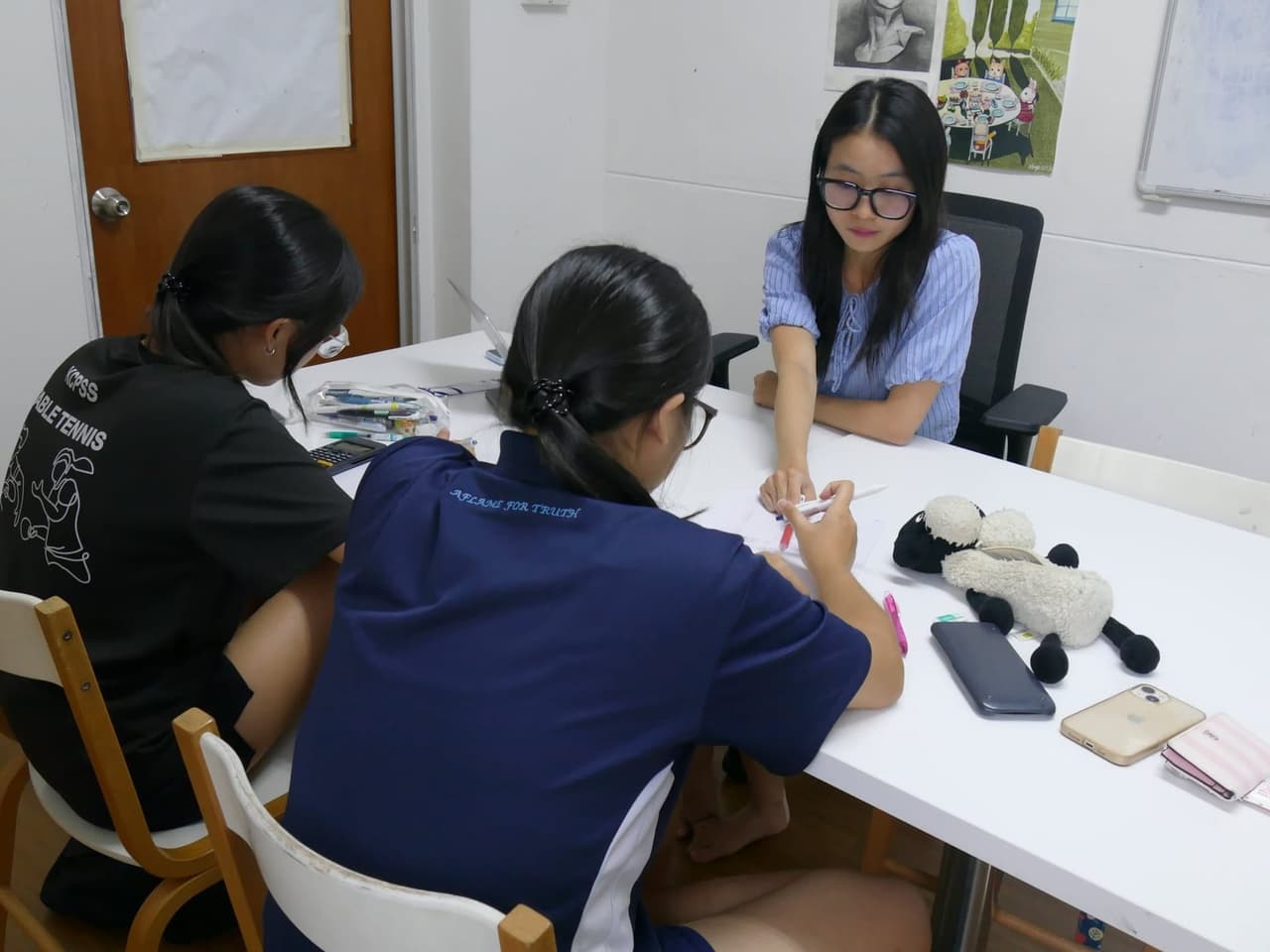
Secondary English: Strategies for O-Level and SEC Success
O-Level and SEC English strategies — comprehension techniques, essay writing frameworks, and oral exam preparation for secondary students in Singapore.
By Charmaine • • 12 min read
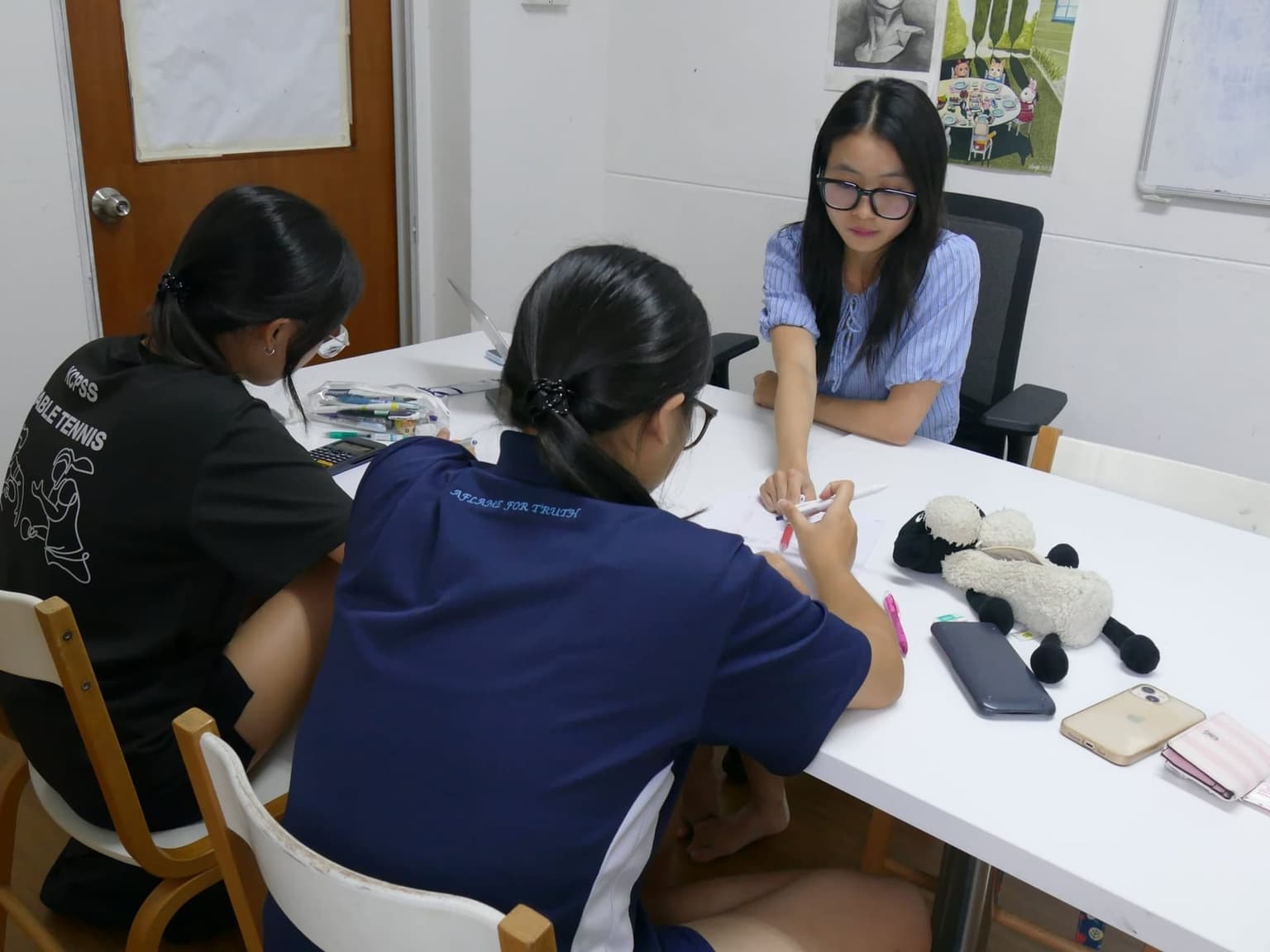
researchO-Level Chinese for Bishan Secondary Schools
O-Level Chinese strategies for Bishan students at Catholic High, Kuo Chuan Presbyterian, and Raffles Institution — exam breakdown and HCL guidance.
By Angie • • 15 min read
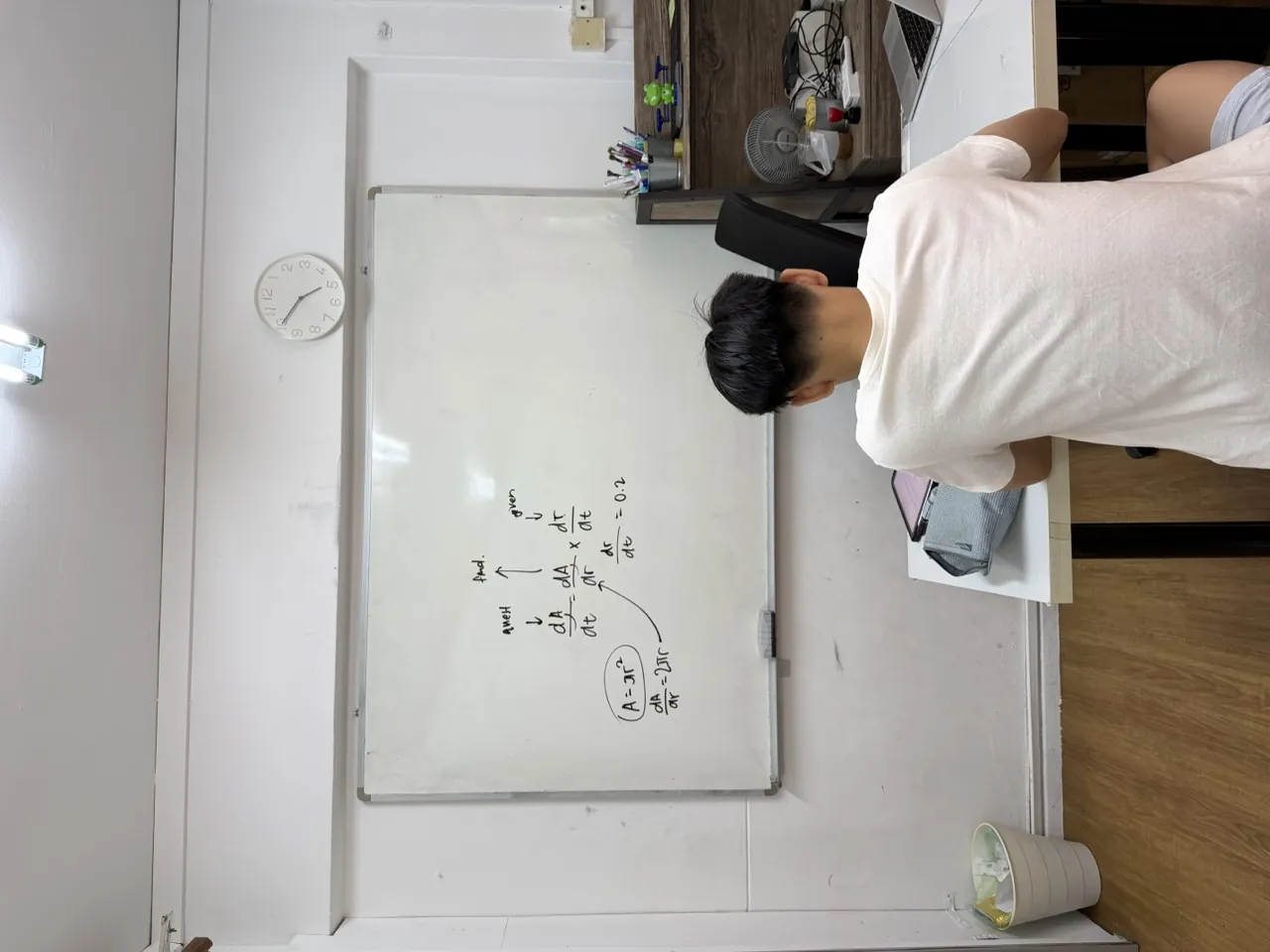
researchO-Level Chinese for Woodlands Secondary Schools
O-Level Chinese (1160) and Higher Chinese (1116) guide for Woodlands students — exam format, school profiles, challenges, and tuition near Woodlands MRT.
By Angie • • 15 min read
researchO-Level English for Woodlands: Syllabus 1184 Guide
O-Level English Language (1184) guide for Woodlands students — paper breakdown, school profiles, common challenges, and English tuition near Woodlands MRT.
By Gabriel • • 9 min read
researchO-Level Maths for Woodlands: E-Maths and A-Maths
O-Level Maths guide for Woodlands students — E-Maths (4052) and A-Maths (4049) exam formats, school profiles, challenges, and tuition near Woodlands MRT.
By Min Hui • • 12 min read
researchO-Level Science for Woodlands: Physics, Chemistry, Biology
O-Level Science guide for Woodlands — Pure Physics, Chemistry, Biology and Combined Science formats, school profiles, and common challenges.
By Charmaine • • 12 min read
researchSecondary Maths Tuition: Woodlands and Bishan
Guide to secondary maths tuition in Woodlands and Bishan covering E-Maths vs A-Maths, nearby schools, and what to look for in a tuition centre.
By Min Hui • • 13 min read
researchSecondary Science Tuition: Physics, Chemistry, Biology
Secondary science tuition guide for Singapore students. Pure Physics, Chemistry, Biology, and Combined Science strategies for O-Level and SEC exams.
By Gabriel • • 12 min readteaching
O-Level Chinese: Writing, Comprehension & Oral Guide
O-Level Chinese (1160) — writing, comprehension, oral, and listening across three papers. Practical preparation strategies for consistent improvement.
By Angie • • 11 min readteaching
O-Level Humanities: History, Geography & SS Guide
O-Level Combined Humanities — compulsory Social Studies with elective History, Geography, or Literature. How to prepare for each component.
By Gabriel • • 10 min readteaching
O-Level English: Composition, Comprehension & Oral Guide
O-Level English (Syllabus 1184) tests writing, comprehension, listening, and oral across four papers. How to prepare effectively for each component.
By Gabriel • • 10 min readtips
Secondary Science: Strategies for O-Level Success
O-Level Science techniques — focused strategies for Physics, Chemistry, and Biology. Stronger answering structure and consistent exam performance.
By Gabriel • • 10 min readtips
O-Level Prep Guide for Singapore Students
O-Level preparation in Singapore — subject selection, study planning, exam techniques, and managing the lower to upper secondary transition.
By Gabriel • • 9 min readtips
How to Improve Secondary Maths: Strategies That Work
How to improve secondary maths grades — bridging the primary-secondary gap, mastering algebra, and preparing effectively for O-Level / SEC Maths in Singapore.
By Gabriel • • 9 min readtips
Exam Prep Checklist for Secondary Chinese
A revision checklist for Secondary 3-4 O-Level Chinese — weekly study schedules, composition tips, oral practice, and vocabulary building methods.
By Angie • • 8 min read
A-Level (5 articles)
teaching
A-Level General Paper (GP): Essay & Comprehension Guide
A-Level General Paper (8881) — essay argumentation and comprehension across two papers. How JC students can prepare with clarity and consistency.
By Gabriel • • 12 min readteaching
H2 Chemistry JC Guide: Syllabus 9476 & Exam Strategy
H2 Chemistry (Syllabus 9476) tests physical, inorganic, and organic chemistry across four papers. Here is how JC students can prepare for the A-Level exam.
By Gabriel • • 9 min readteaching
H2 Physics JC Guide: Syllabus 9478 & Exam Strategy
H2 Physics (9478) covers mechanics, fields, waves, and modern physics across four papers. Strategic A-Level exam preparation for JC students.
By Gabriel • • 10 min readteaching
H2 Mathematics JC Guide: Mastering A-Level Maths
H2 Mathematics — one of the most challenging A-Level subjects. Syllabus overview, Paper 1 and 2 structure, and proven strategies to score well.
By Gabriel • • 8 min readtips
Secondary to JC Transition: What Students Must Know
The jump from Secondary to JC is one of the toughest academic transitions. Learn what changes, how to prepare, and strategies to thrive in Junior College.
By Gabriel • • 9 min read
General Study Tips (4 articles)
researchWeighted Assessments and EOY Exams: Guide for Parents
Singapore schools replaced mid-year exams with weighted assessments. WAs are shorter, more frequent, and test different skills — here is how to prepare for them effectively.
By Charmaine • • 9 min read
tipsP3 Science: What to Expect When It Starts
P3 is the only time a completely new examinable subject enters the Singapore primary curriculum. Here is what parents should know when their child starts Science.
By Charmaine • • 17 min readteaching
IGCSE Tuition Singapore: Cambridge International Exam Guide
IGCSE tuition in Singapore for Cambridge International students — exam techniques, curriculum support, and preparation for IB Diploma or A-Level pathways.
By Min Hui • • 11 min read
tipsBest Subjects for Tuition: A Singapore Parent's ROI Guide
Not all subjects need tuition equally. Learn which subjects typically benefit most from tuition, when to invest, and how to maximise your tuition ROI.
By Min Hui • • 9 min read
Related Topics
O-Level / SEC(65 articles)
Your complete guide to the GCE O-Level and upcoming SEC examinations — subject breakdowns, revision strategies, and practical tips for secondary school students in Singapore.
PSLE(73 articles)
Everything parents and students need to know about the Primary School Leaving Examination — from subject-specific strategies to scoring, stress management, and school selection.
Mathematics(35 articles)
Your complete guide to Mathematics education in Singapore — from Primary school foundations through Secondary E-Maths and A-Maths to JC H2 Mathematics and beyond.
Junior College (JC)(19 articles)
Navigate Junior College life in Singapore — from choosing H1/H2 subject combinations to mastering A-Level content, managing the JC workload, and preparing for university admissions.
Frequently Asked Questions
Past year papers are most effective when used strategically, not just for practice. Start by attempting papers under timed, exam-like conditions. After marking, analyse your mistakes by category — careless errors, conceptual gaps, or time management issues. According to education research, reviewing and correcting mistakes is more valuable than doing additional papers. Aim to complete at least 5 years of past papers for each subject before the examination.
Cognitive science research identifies active recall (testing yourself from memory) and spaced repetition (reviewing material at increasing intervals) as the two most effective study techniques. These methods outperform passive re-reading and highlighting by a significant margin. In practice, students should close their notes and try to recall key concepts, then check for gaps. Flashcards and self-quizzing are practical ways to implement these techniques.
Some stress before examinations is normal and can even enhance performance, but excessive anxiety impairs concentration and recall. Evidence-based strategies include: maintaining a consistent sleep schedule, breaking revision into manageable daily goals, practising deep breathing exercises before papers, and avoiding last-minute cramming. According to MOE's guidance on student well-being, physical exercise and adequate rest are essential during examination periods.
For national examinations like the PSLE and O-Level, structured revision should begin at least 3 to 6 months before the exam. This allows time for spaced repetition and multiple rounds of past paper practice. For weekly school tests, reviewing content within 24 hours of learning it — then again after 3 days and 1 week — significantly improves long-term retention compared to cramming the night before.
Both have value when used appropriately. Solo study is more effective for memorisation and focused practice, while group study works well for discussion-based subjects and for explaining concepts to peers — a technique known as the "teaching effect." Research shows that explaining a concept to someone else strengthens your own understanding. A balanced approach might be 70% solo and 30% group study.
References: MOE Official Website · SEAB Official Website · MOE Primary Curriculum