Mathematics

Mathematics in Singapore follows a spiral curriculum designed by MOE, building progressively from Primary model-drawing methods to Secondary algebra and JC calculus. With 35+ articles spanning all levels, this hub covers topic breakdowns, problem-solving strategies, and exam techniques for every major Mathematics examination.

Content verified Q2 2026· Based on current MOE/SEAB syllabus

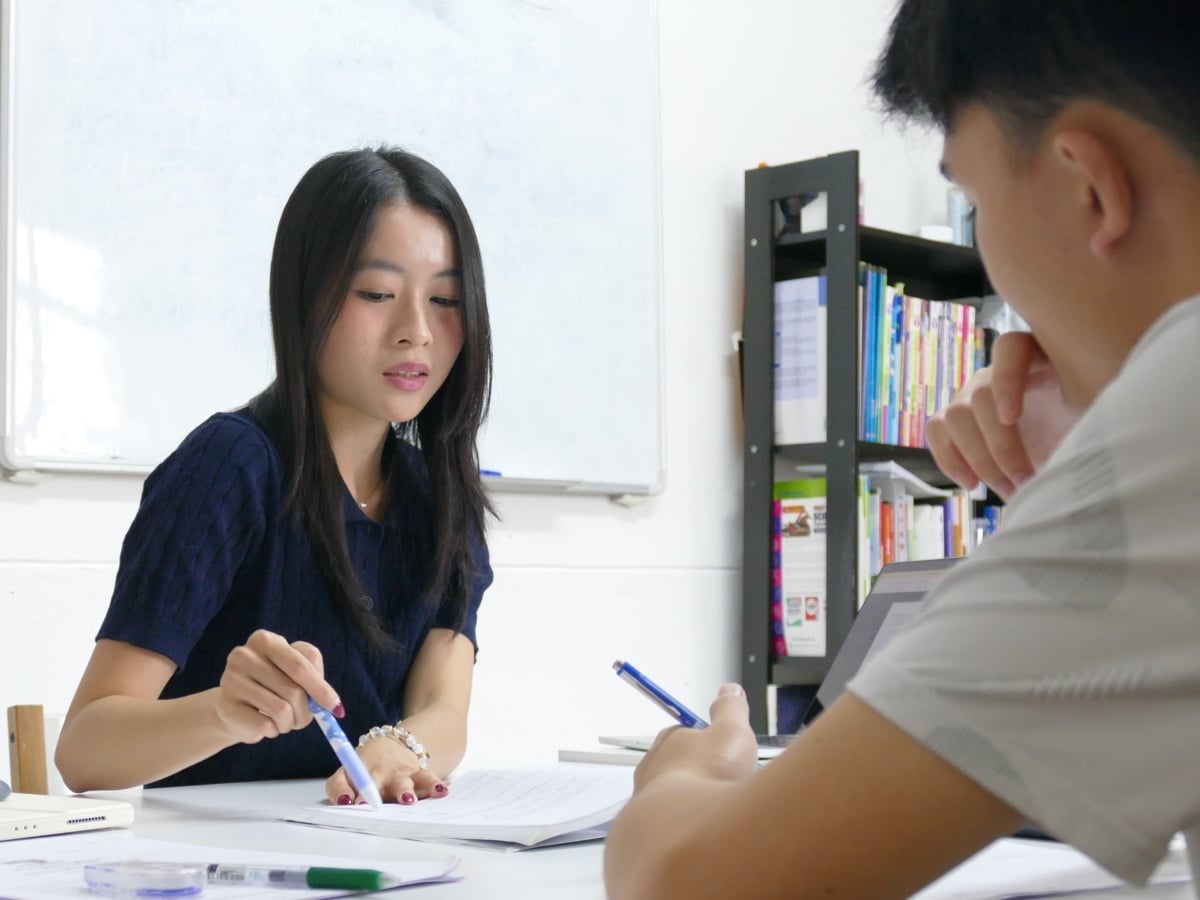
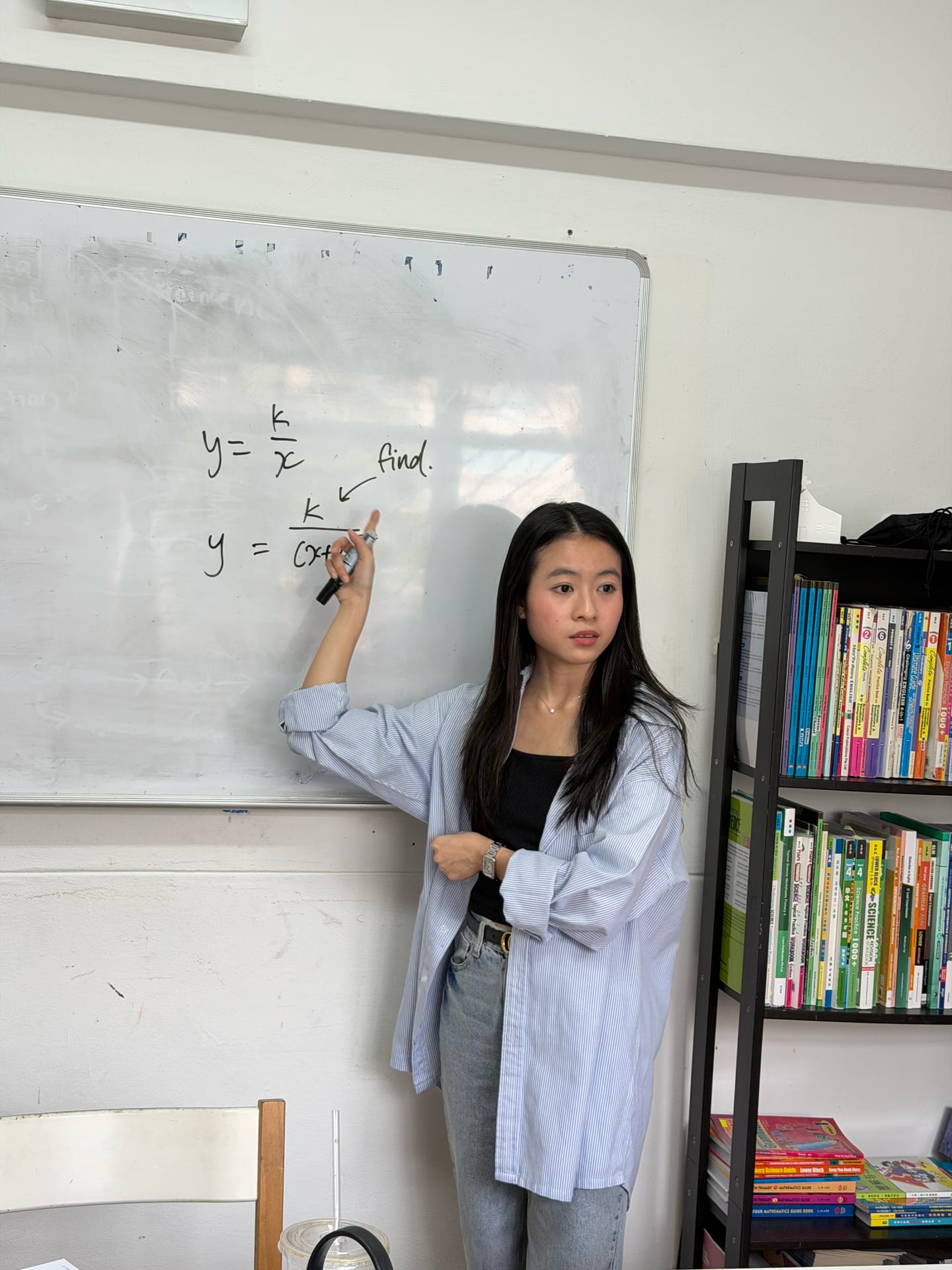
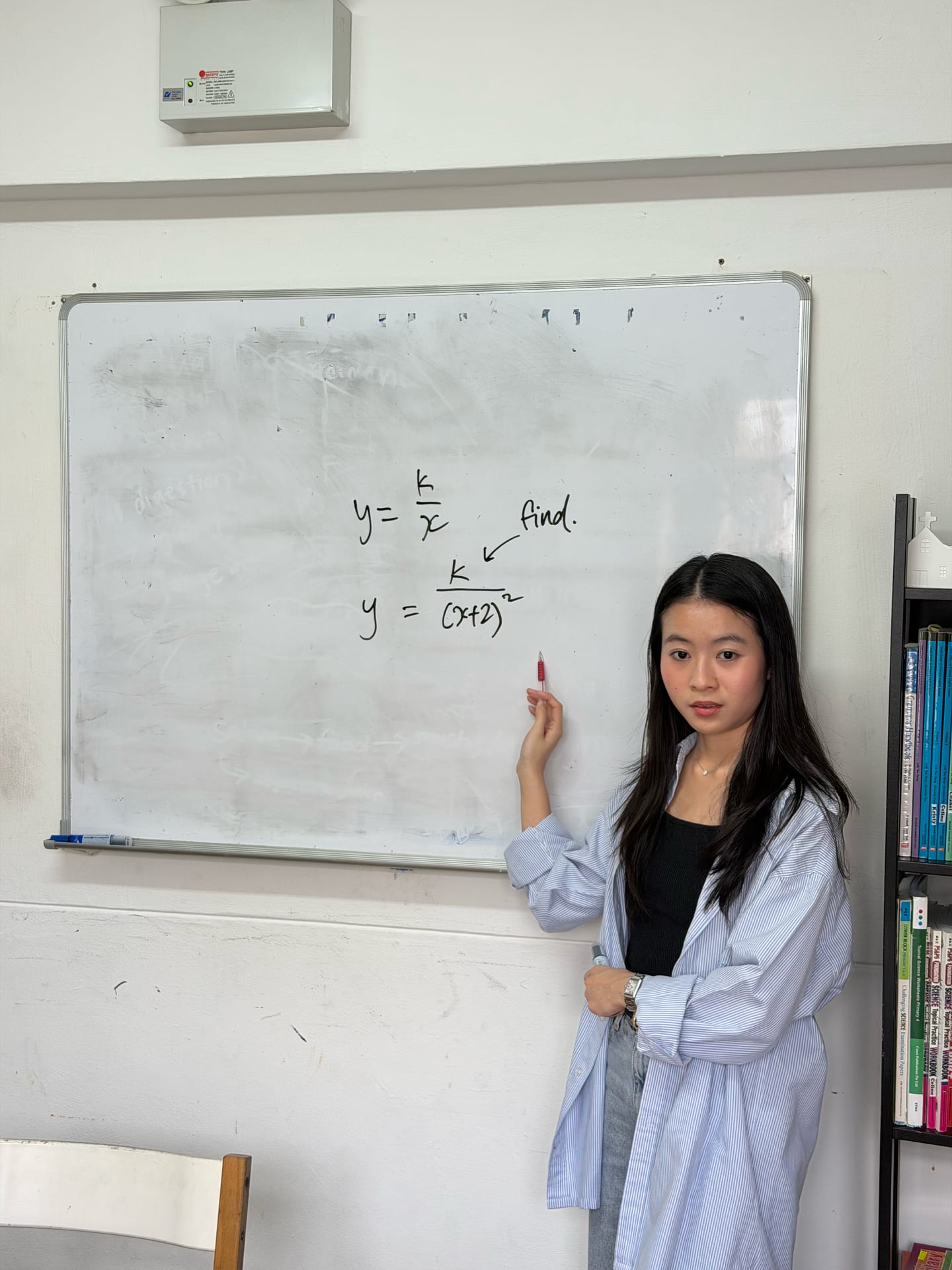
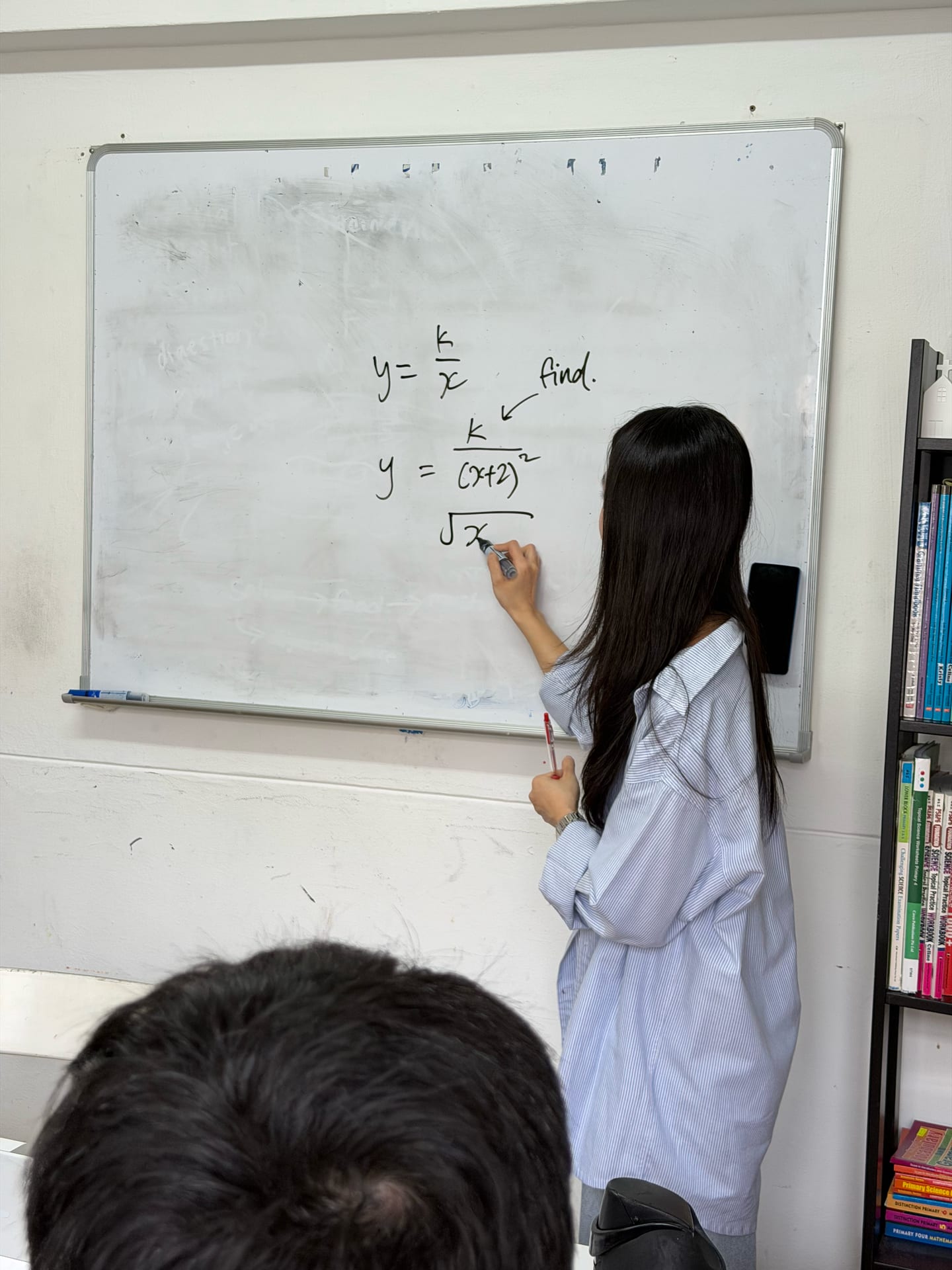
Mathematics is the one subject where I see the biggest difference between students who understand concepts and those who only memorise steps. When a student can explain why a method works — not just how to do it — they can handle any question the examiner throws at them. That's what we focus on in every lesson.

Min Hui — educator at Ancourage Academy
Min Hui

Founder & Academic Director, Ancourage Academy

NTU · 11+ years experience

5from 69 Google Reviews
MOE-Registered Centre
11+ Years Experience
Bishan & Woodlands
Mathematics key statistics
MetricValue
Articles in this hub(Ancourage Academy content library)35+
Levels covered(MOE Mathematics curriculum framework)Primary, Secondary, JC
Key subject variants(SEAB examination syllabuses)E-Maths, A-Maths, H1/H2 Maths

About Mathematics

Singapore's Mathematics curriculum is internationally recognised for its rigour and effectiveness. Built on the MOE Mathematics Framework — which emphasises concepts, skills, processes, attitudes, and metacognition — the curriculum follows a spiral approach where topics are revisited at increasing levels of complexity from Primary through JC.

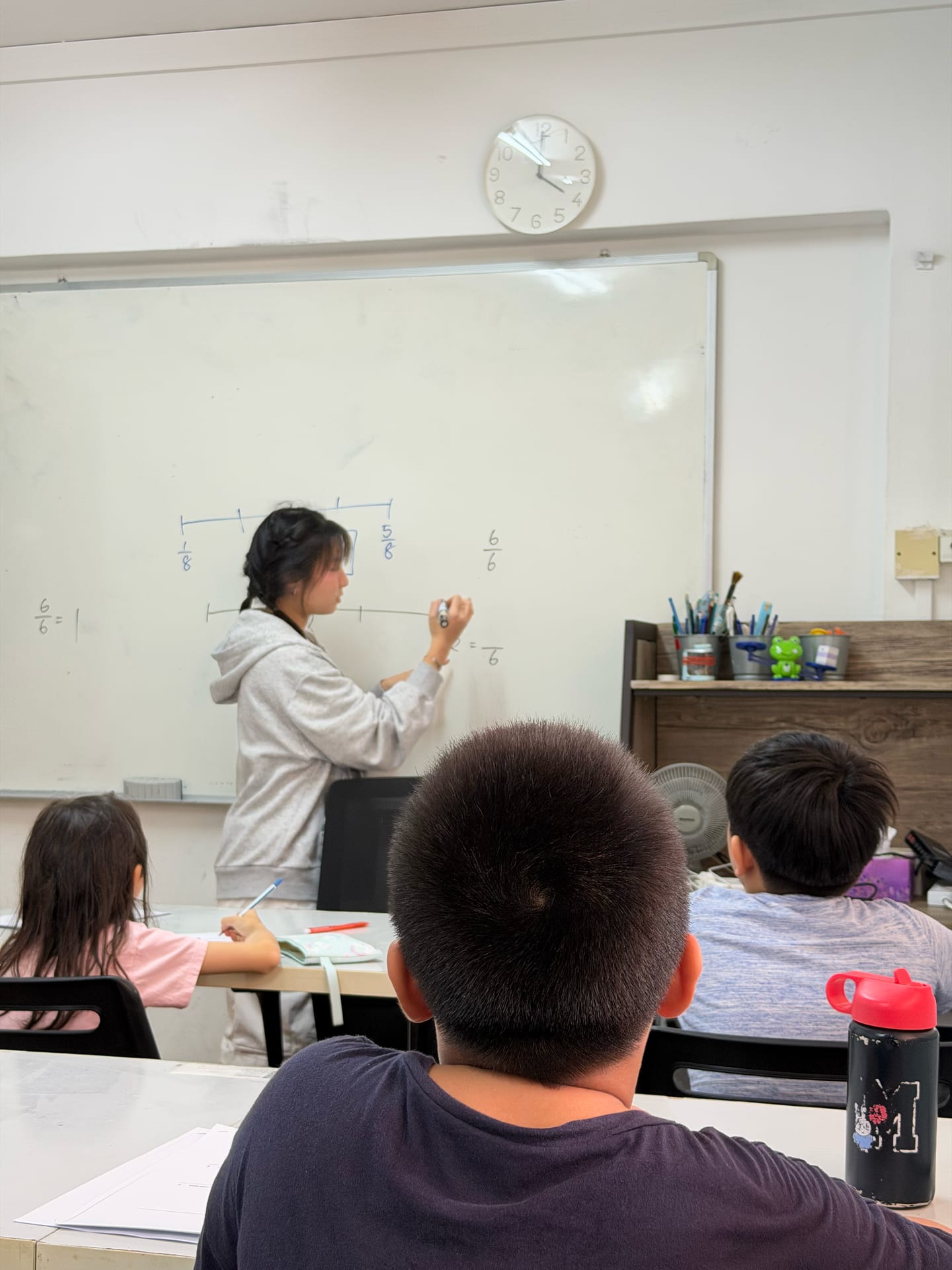
At the Primary level, the model-drawing method is a distinctive feature of Singapore Maths, helping students visualise and solve word problems systematically. At the Secondary level, students encounter both Elementary Mathematics (E-Maths) and Additional Mathematics (A-Maths), each with distinct syllabuses and examination formats.

  • 35+ targeted articles: From heuristic strategies for PSLE problem sums to integration techniques for A-Maths, our articles address the specific challenges students face at each level.
  • Exam-focused guidance: Each article connects content knowledge to the way questions are actually asked in PSLE, O-Level, and A-Level examinations, based on analysis of past year papers.
  • Common mistakes addressed: Our tutors have identified the most frequent errors students make — from careless calculation mistakes to conceptual misunderstandings — and our articles tackle these directly.

Whether your child needs help with Primary fractions or Secondary quadratic equations, this hub provides clear, step-by-step guidance grounded in Singapore's curriculum.

E-Maths vs A-Maths — which to take

E-Maths (Elementary Maths) covers algebra, geometry, trigonometry, and statistics — required for all secondary students. A-Maths (Additional Maths) adds calculus, polynomials, and proofs from Sec 3 — strongly recommended for any student considering H2 Mathematics at JC, Engineering at university, or competitive Maths Olympiad pathways. Under SEC from 2027, both subjects continue under the K-series codes (K310 E-Maths, K341 A-Maths) at G3 level for university-pathway students. Without A-Maths, the JC H2 Mathematics learning curve becomes steep — most JC students who attempt H2 Maths without A-Maths background struggle in JC1 calculus topics. The full guide covers topic-by-topic depth differences between the two subjects, how to decide based on Sec 2 mid-year results, the workload trade-off, and which polytechnic Maths-heavy diploma programmes treat A-Maths as a soft prerequisite.

For the full guide → secondary maths strategies (E-Maths and A-Maths)

Common Primary maths mistakes to avoid

Primary students consistently lose marks on three things: (1) word-problem misreading — students rush, missing units or "more than"/"less than" cues; (2) incomplete model-drawing — drawing the bars but not labelling them clearly; (3) careless arithmetic — forgetting to carry, miscounting place value. Slowing down + showing working catches all three. Two more high-cost errors emerge in PSLE settings: not converting units within a question (e.g., mixing cm and m), and finishing the calculation but forgetting to write the final answer with units. The full guide covers question-type-specific pitfalls (rate-and-ratio, fraction-of-quantity, before-and-after problems), the model-drawing checklist that catches structural errors, mistake-categorisation methods (careless / conceptual / time-management), and how to use mistake logs to target the largest error bucket first across weekly practice.

For the full guide → common Primary maths mistakes to avoid

O-Level / SEC E-Maths topic weightage (typical)
TopicApprox. weightNotes
Numbers and Algebra~40%Fundamental skills tested across all papers
Geometry and Measurement~25%Includes trigonometry, mensuration, similar figures
Statistics and Probability~20%Data interpretation, probability calculations
Coordinate Geometry~15%Linear graphs, gradient, equation of a line

5 model-drawing techniques every Primary student needs

  1. Part-whole model — for "X has Y more/fewer than Z" problems
  2. Comparison bars — for ratio and proportion problems
  3. Branching model — for sequential or step-by-step reasoning
  4. Before-and-after model — for problems involving change
  5. Internal-bar method — for fraction-of-quantity problems

Articles

Essential Guides (7 articles)

Primary (15 articles)
Secondary (16 articles)

JC (4 articles)

Related Topics

Frequently Asked Questions