Art Education

Art education in Singapore develops creativity, visual literacy, and critical thinking across all ages. With 43+ articles covering enrichment classes, school programmes like AEP and EAP, DSA portfolios, and various mediums from watercolour to digital art, this hub is a comprehensive guide for parents and students.

Content verified Q2 2026· Based on current MOE/SEAB syllabus

What I love about teaching art is watching students discover that creativity isn't about innate talent — it's a skill you develop through practice and observation. Some of my strongest DSA portfolio students started with no formal art training. What they had was curiosity and the willingness to experiment.

Angie — educator at Ancourage Academy
Angie

Founder & Art Programmes Lead, Ancourage Academy

LASALLE Fine Arts · DSA Portfolio Specialist

5from 69 Google Reviews
MOE-Registered Centre
11+ Years Experience
Bishan & Woodlands
Art Education key statistics
MetricValue
Articles in this hub(Ancourage Academy content library)43+
AEP schools in Singapore(MOE Art Elective Programme)7 secondary, 3 JC
Mediums covered(Ancourage Academy art curriculum)20+ including oil, watercolour, acrylic, charcoal, digital & more

About Art Education

Art education in Singapore extends far beyond colouring and craft. From structured enrichment classes for young children to the rigorous Art Elective Programme (AEP) in secondary schools and JCs, the visual arts offer students a pathway to develop creative thinking, observational skills, and self-expression.

Singapore's art education landscape is supported by institutions like the National Arts Council (NAC) and school-based programmes recognised by MOE. For students with strong artistic talent, the DSA pathway through art provides early admission to top secondary schools.

  • Age-appropriate learning: Our 43+ articles cover everything from when to start art classes for toddlers, to advanced portfolio preparation for secondary and JC students.
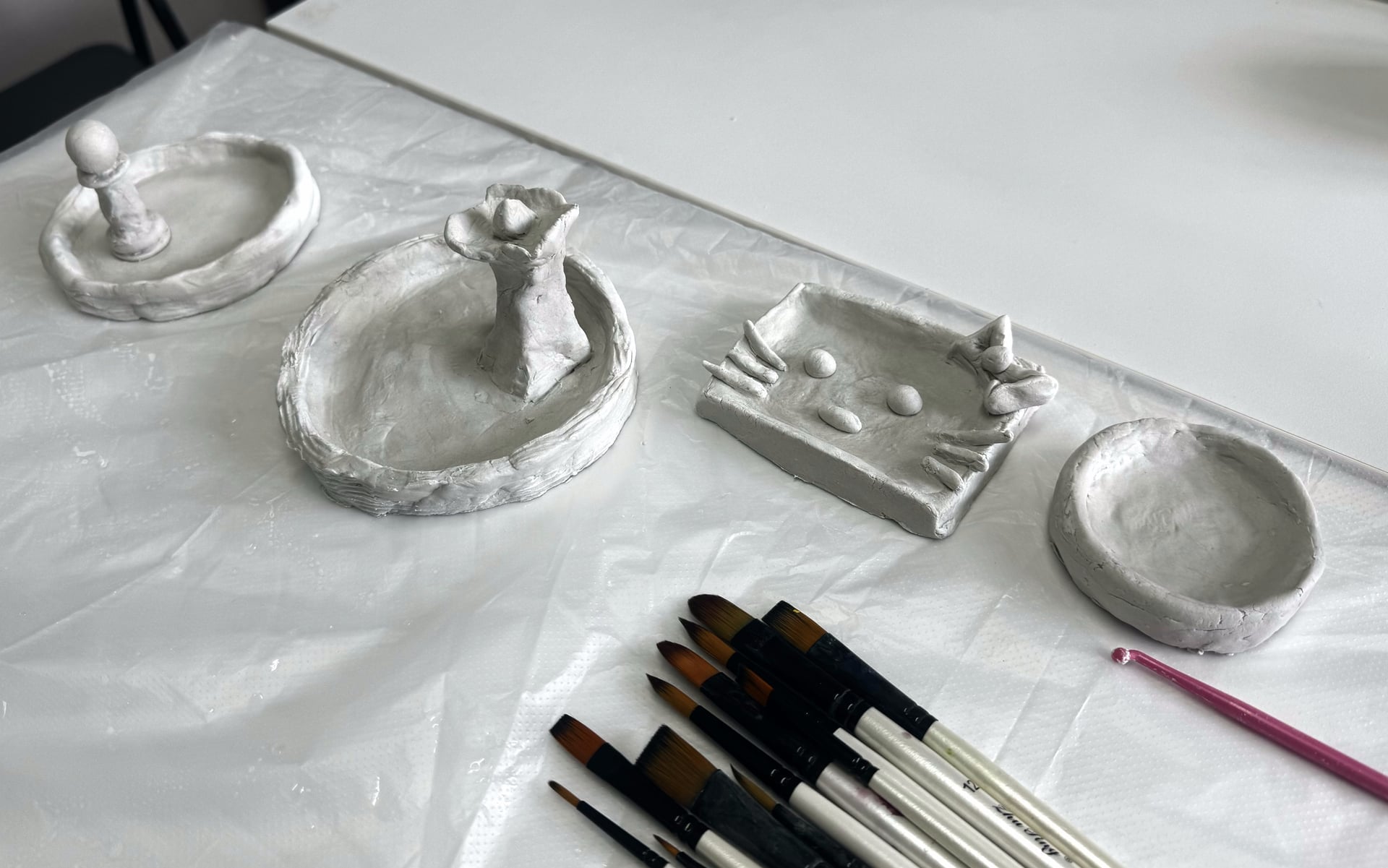
  • Medium exploration: Guides on watercolour, acrylic painting, digital illustration, ceramics, and mixed media help students and parents choose the right focus area.
  • Pathways and recognition: Articles on AEP, EAP, DSA through art, and the O-Level / A-Level Art syllabuses help families understand how art can be a serious academic pursuit in Singapore.

Whether your child is exploring art as an enrichment activity or pursuing it as an academic and career pathway, this hub connects you with practical, experience-based advice from working art educators.

AEP vs EAP — what's the difference

AEP (Art Elective Programme) is offered at 7 secondary schools and 3 JCs by MOE for students with strong art ability. EAP (Enhanced Art Programme) is a school-specific extension at participating schools. Both lead to O-Level / A-Level art certification, but AEP has more structured curriculum and external moderation. AEP students follow a centralised MOE syllabus with quarterly cross-school moderation; EAP students follow each school's own curriculum with internal benchmarking. School of the Arts (SOTA) operates independently as a 6-year integrated arts secondary-and-pre-university programme — distinct from both AEP and EAP. DSA is the talent-based admission route into AEP and SOTA, not a programme itself. The full guide compares programme structures, entry requirements, university art-pathway recognition (NAFA, LASALLE, NTU ADM), and how to choose between AEP, EAP, SOTA, and mainstream Art at O-Level / SEC.

For the full guide → AEP vs EAP vs SOTA vs DSA — Singapore art education pathways
When to start art classes

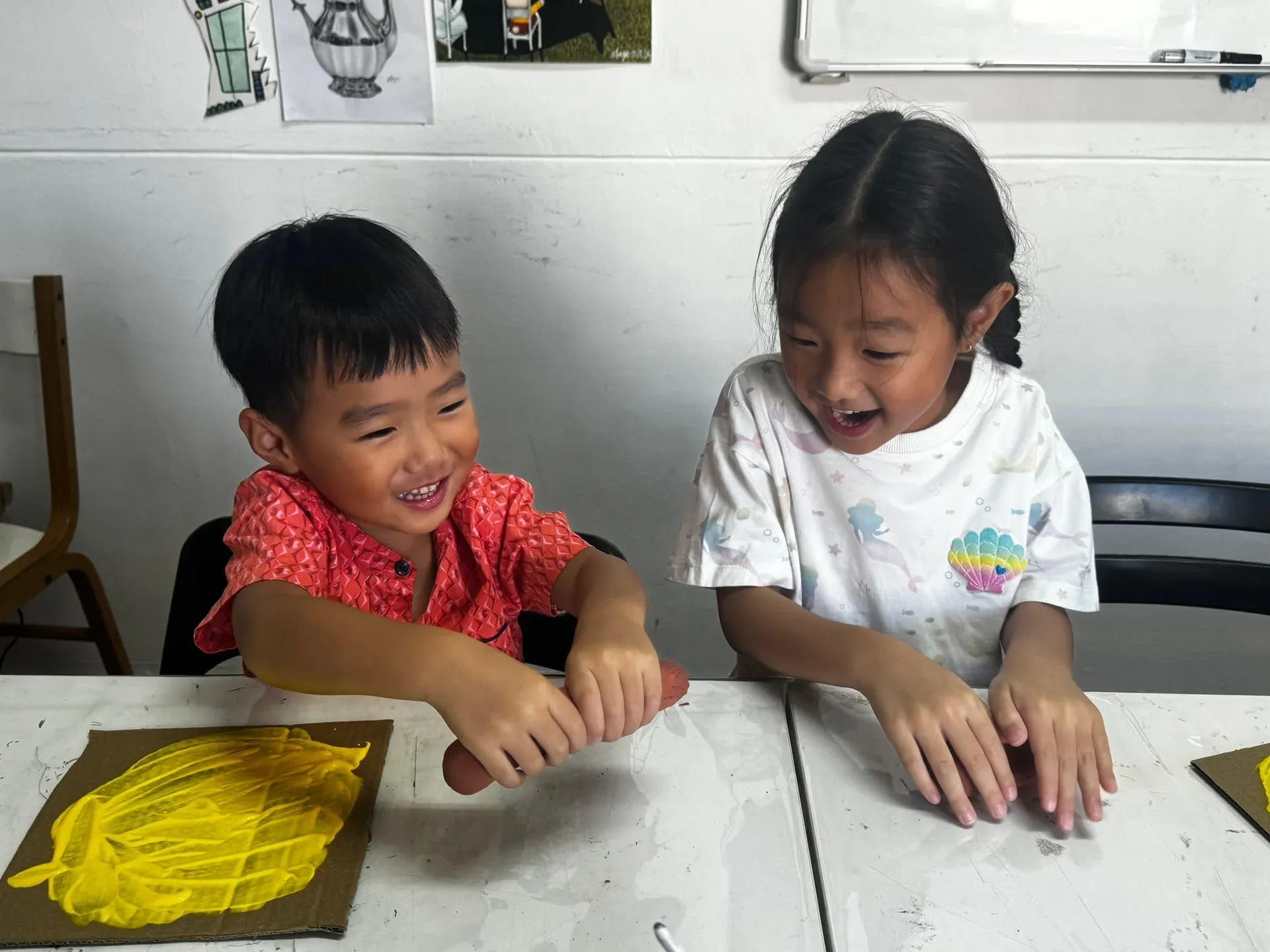
Children typically start formal art exposure between ages 4-6 (kindergarten). For DSA preparation, structured portfolio-building usually begins at P4-P5 (2-3 years before P6 DSA submission). For competitive AEP entry at Sec 1, building strong fundamentals from P4 onwards gives the best foundation. Early years (4-7) focus on free exploration with multiple mediums — drawing, painting, mixed media — rather than technical accuracy. Middle years (7-10) introduce observational drawing, colour theory, and composition. Upper primary (P5-P6) shifts toward portfolio-relevant skills if DSA is the goal. Late starters (Sec 1+) can still pursue Art seriously, typically toward O-Level / SEC Art and EAP rather than competitive AEP entry. The full guide covers age-by-age skill progression, how to spot artistic readiness, what good early instruction looks like, and how home practice complements formal classes.

For the full guide → when to start art classes — child development guide

MOE Art Elective Programme (AEP) schools — official secondary list + JC AEP centres
LevelSchoolProgramme entry
SecondaryBukit Panjang Govt. High SchoolAEP entry by selection
SecondaryCHIJ Secondary (Toa Payoh)AEP entry by selection
SecondaryHwa Chong InstitutionAEP entry by selection
SecondaryNanyang Girls' High SchoolAEP entry by selection
SecondaryNational Junior College (also AEP Centre)In-house AEP + centralised lessons for non-AEP schools
SecondaryVictoria SchoolAEP entry by selection
SecondaryZhonghua Secondary SchoolAEP entry by selection
Junior CollegeHwa Chong Institution (JC)AEP at JC level
Junior CollegeNational Junior CollegeAEP at JC level
Junior CollegeNanyang Junior CollegeAEP at JC level

Top 5 art mediums covered at Ancourage

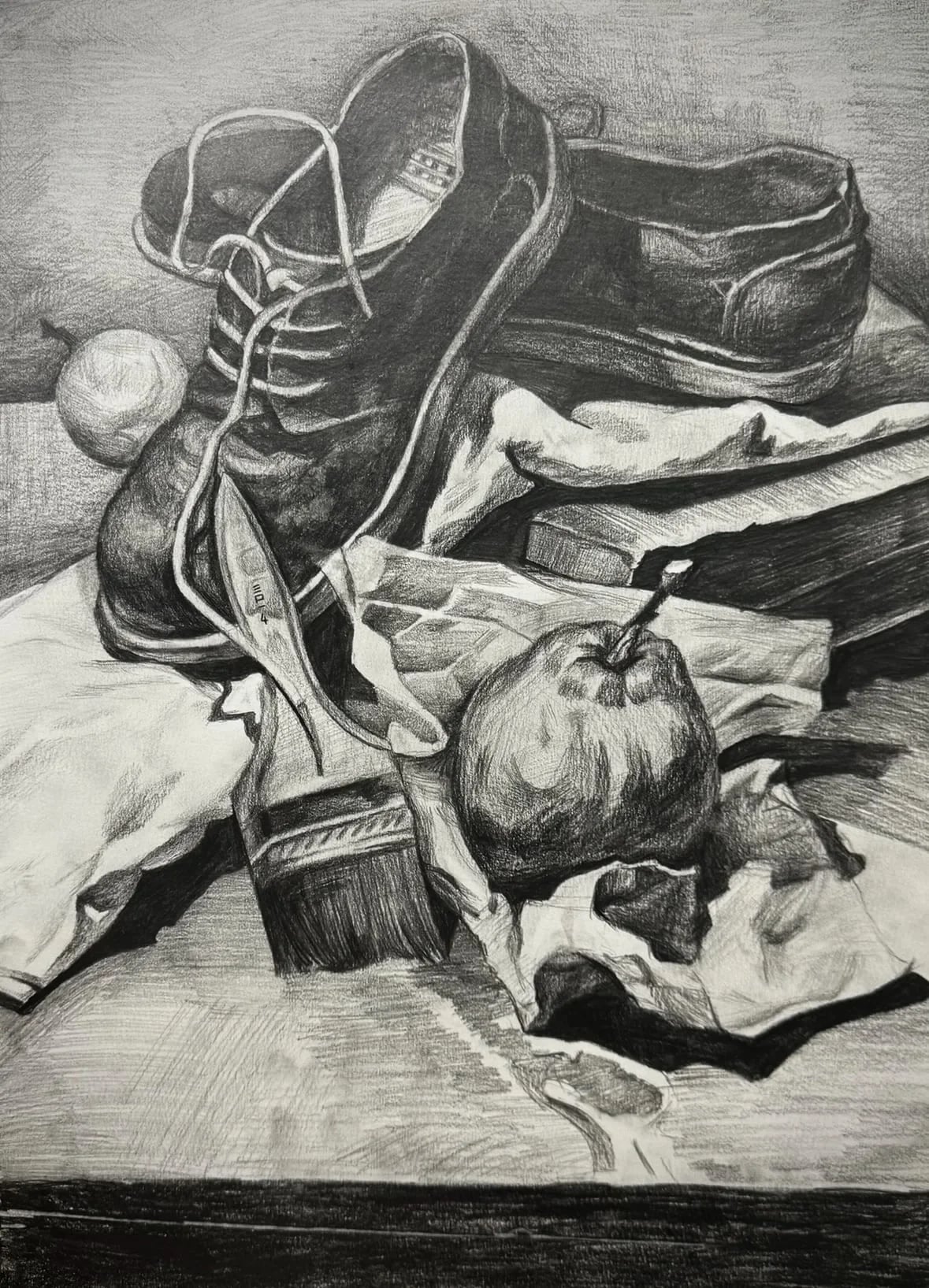
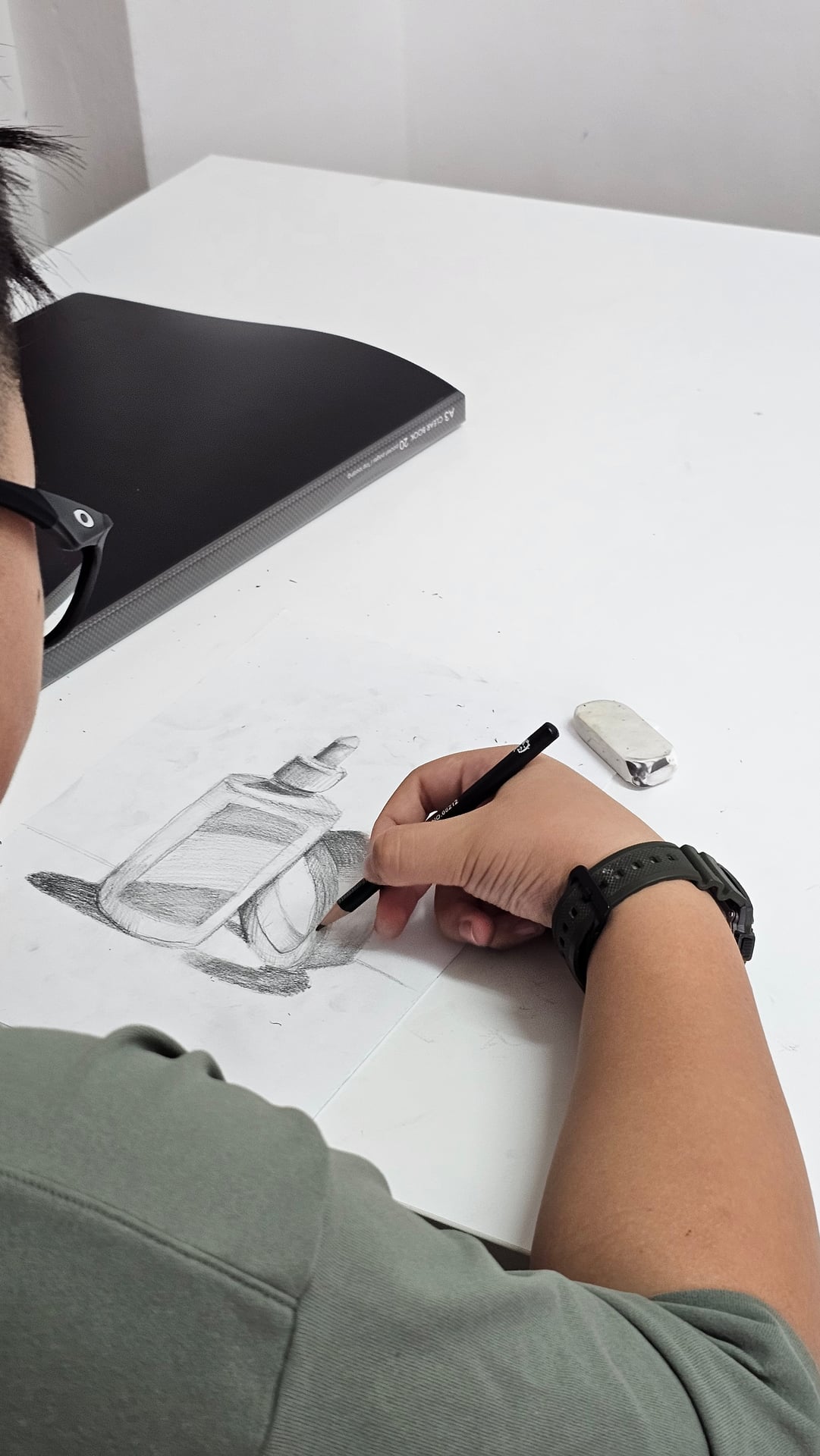
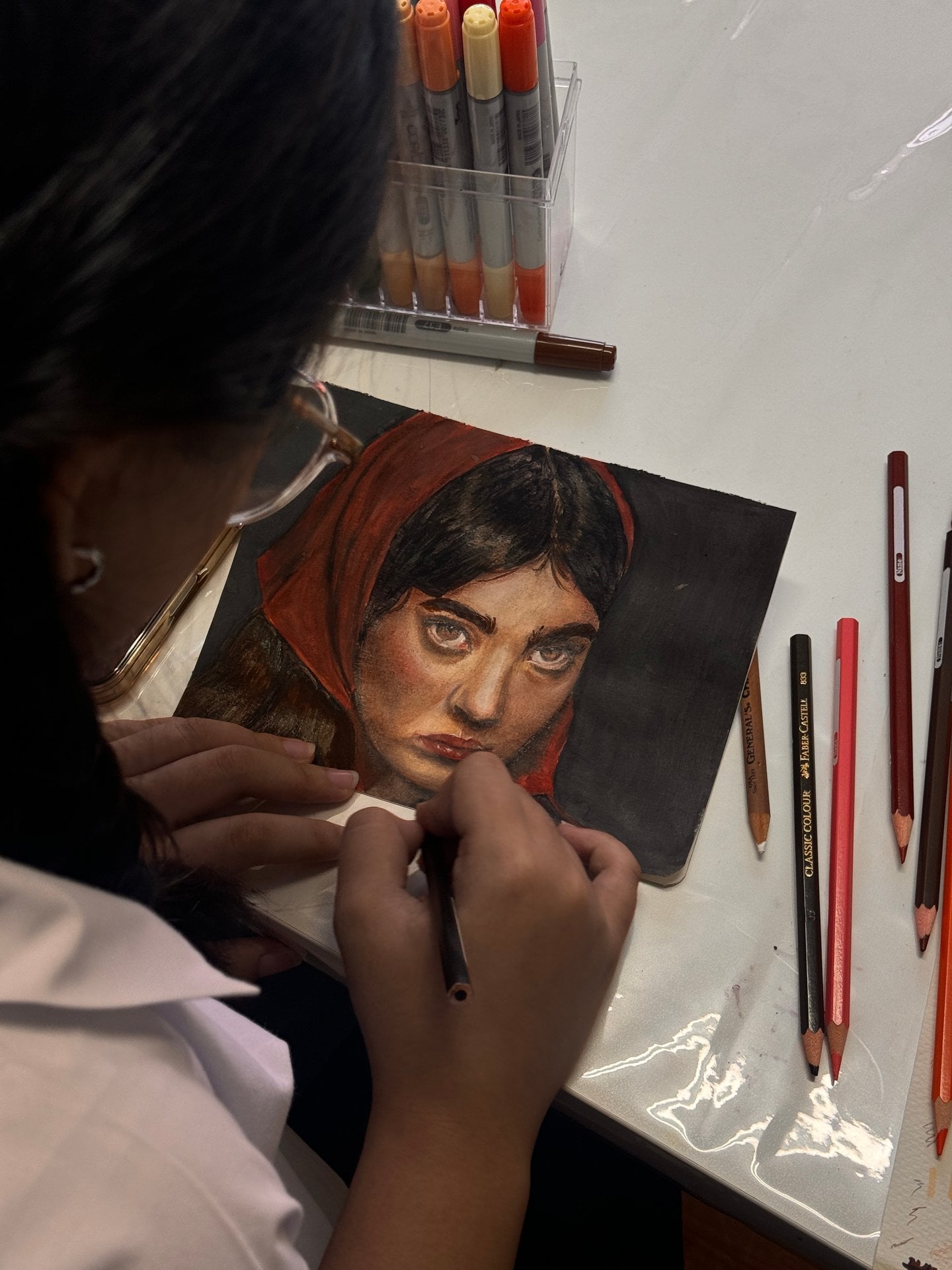
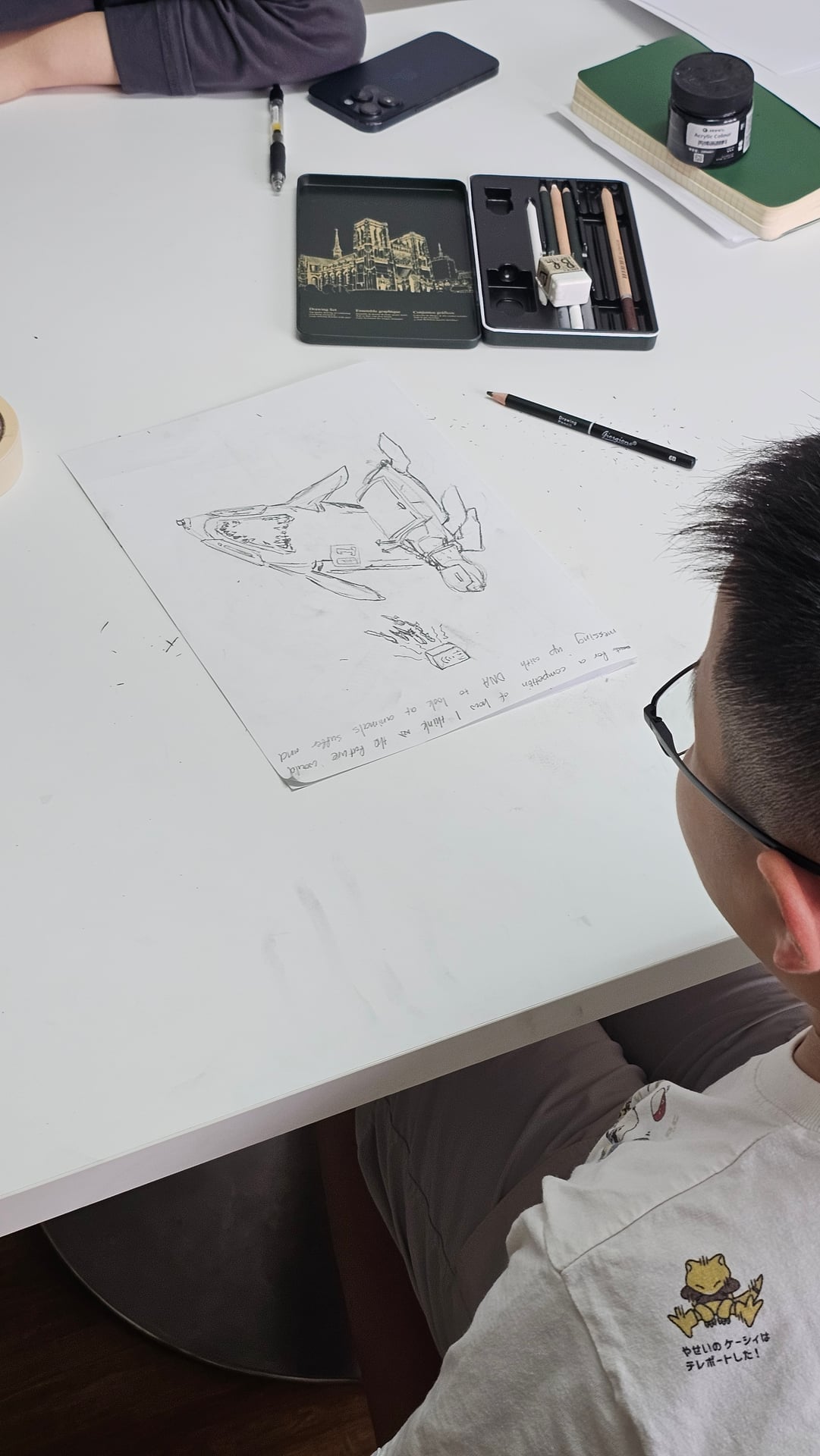
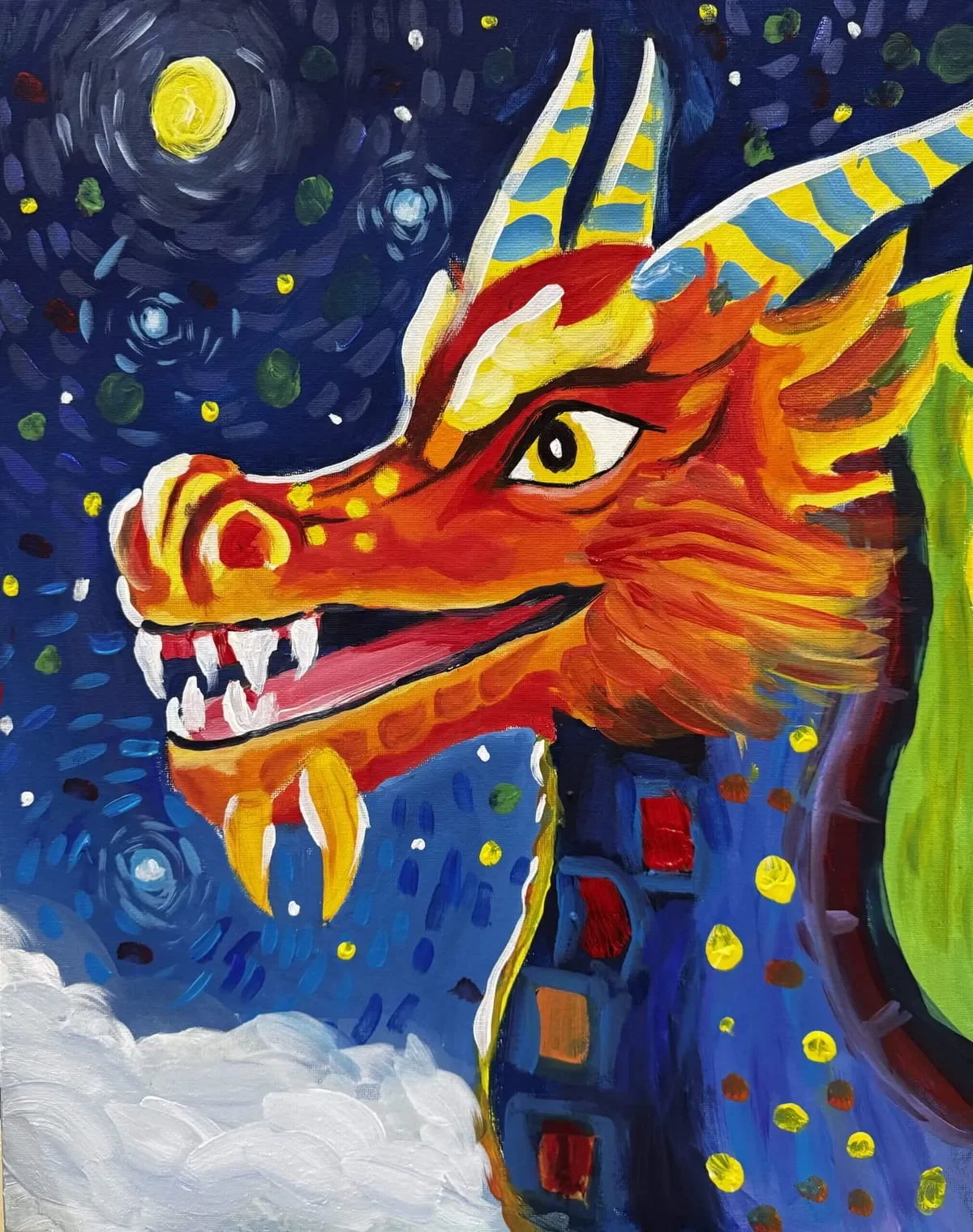
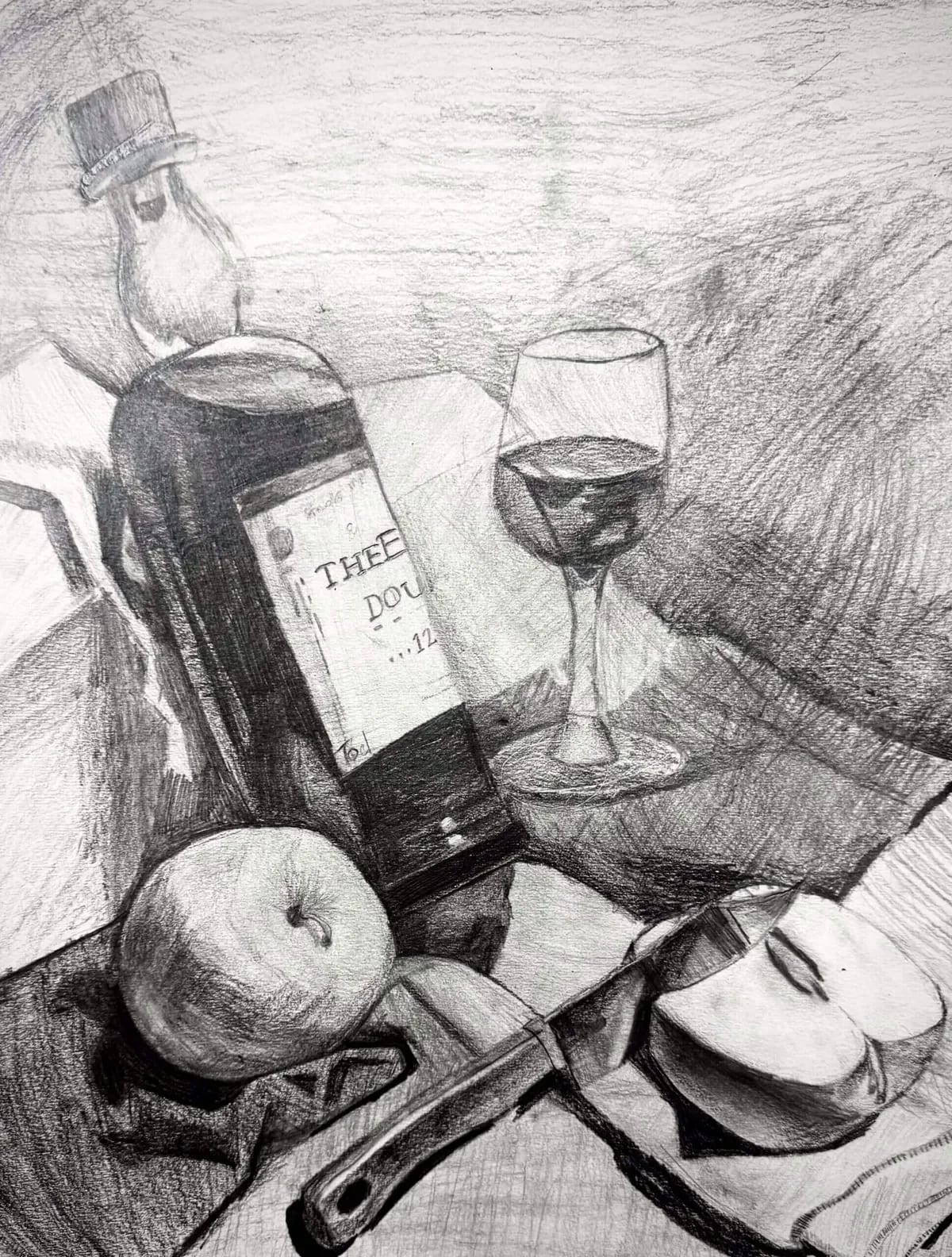
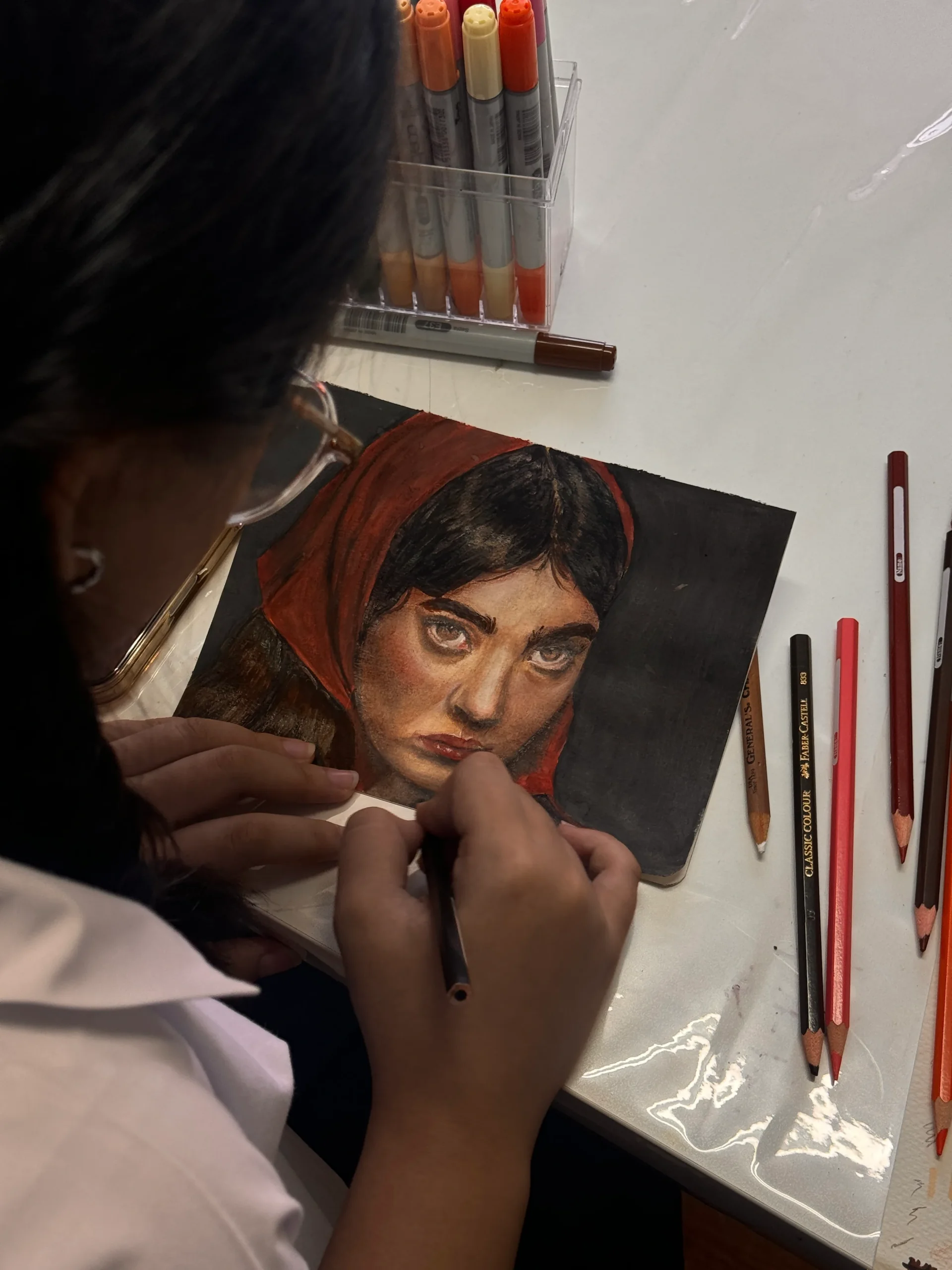
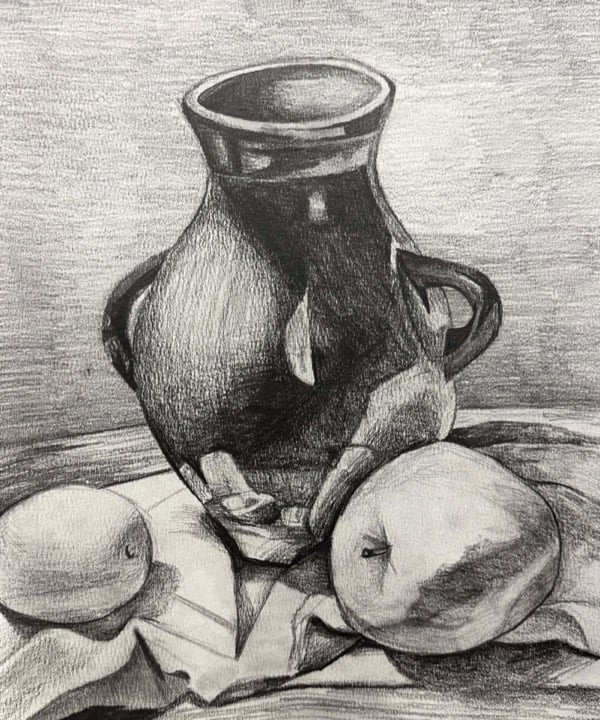
  1. Pencil drawing — observational, still life, portrait fundamentals
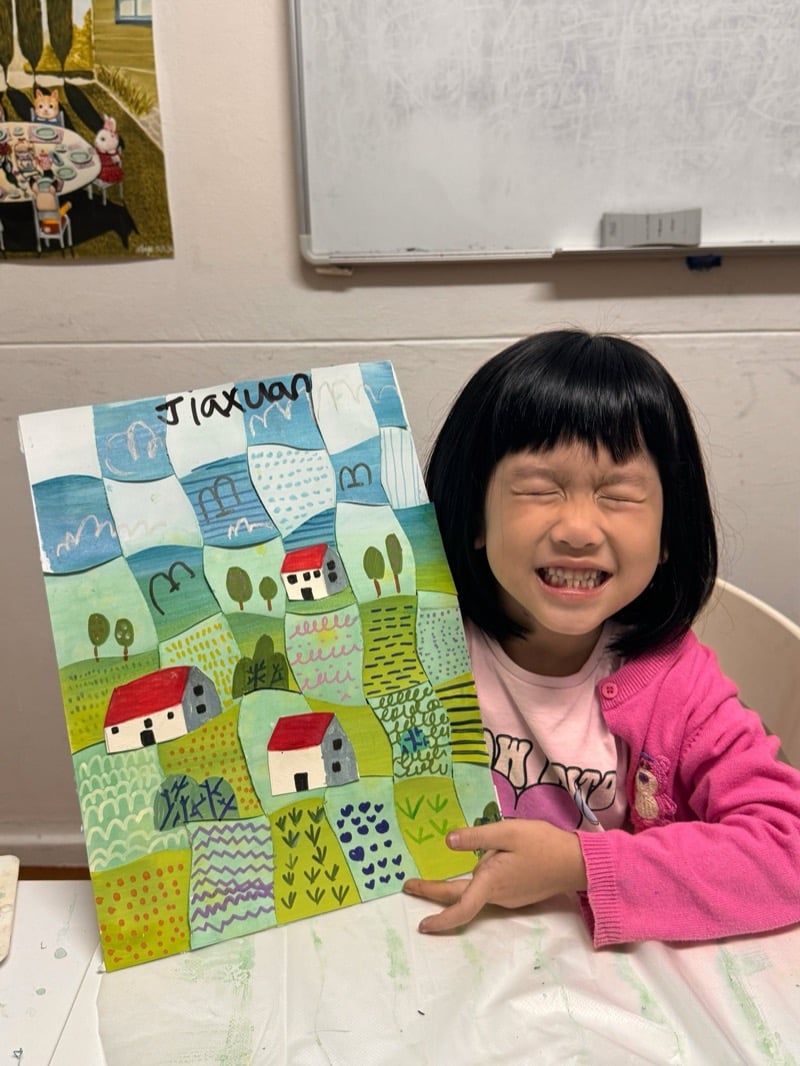
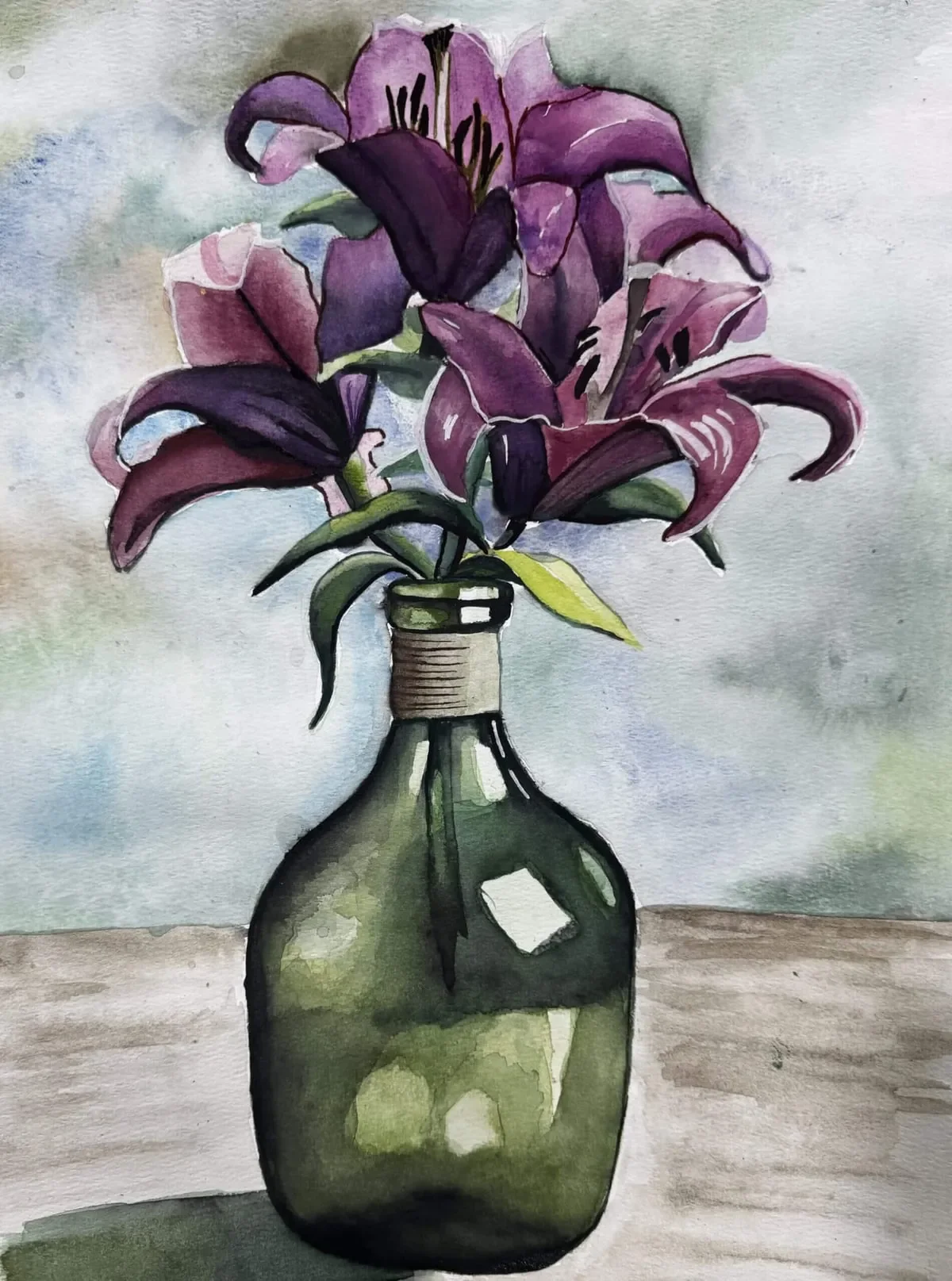
  2. Watercolour painting — wet-on-wet techniques, colour layering, atmospheric works
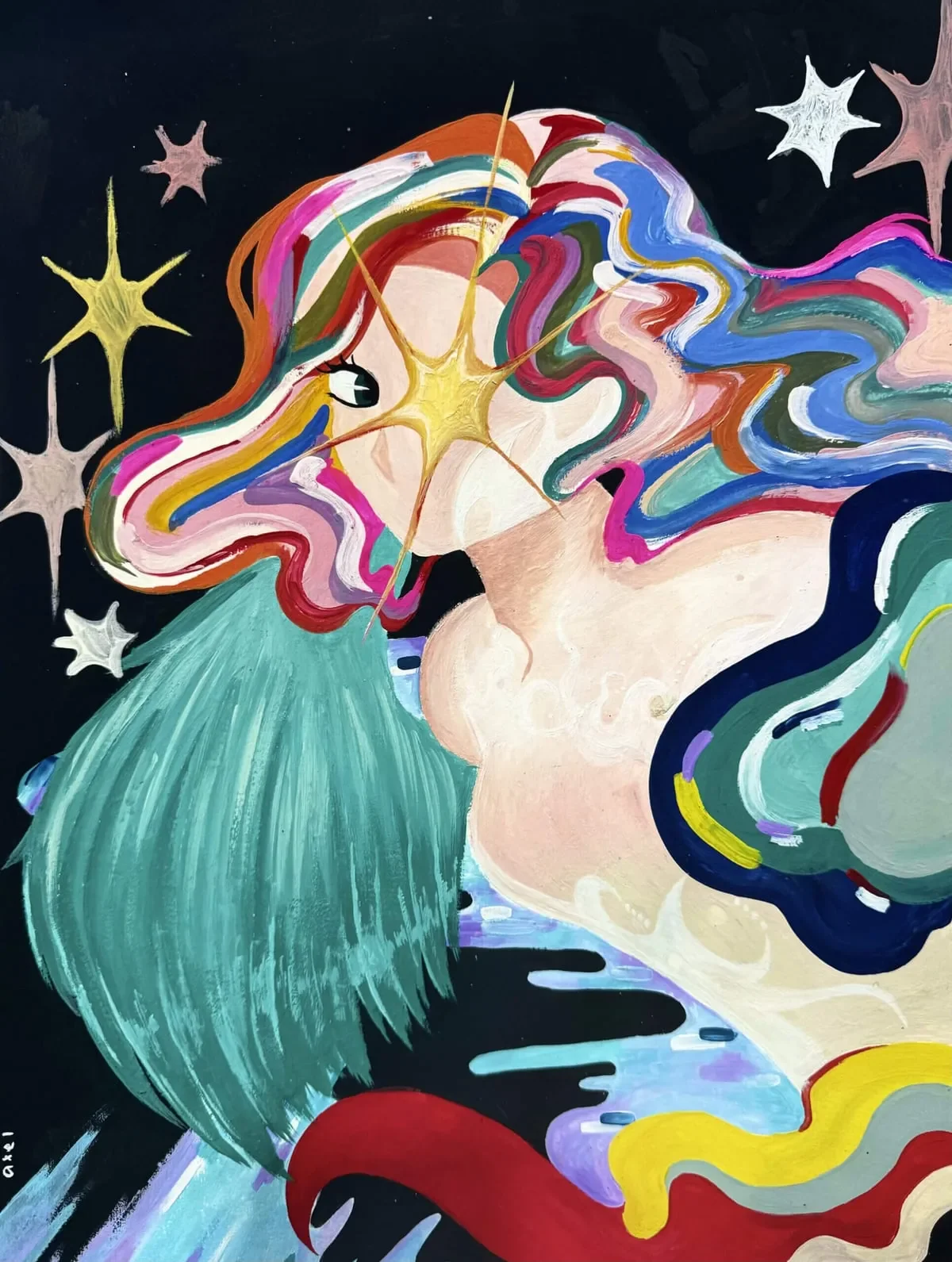
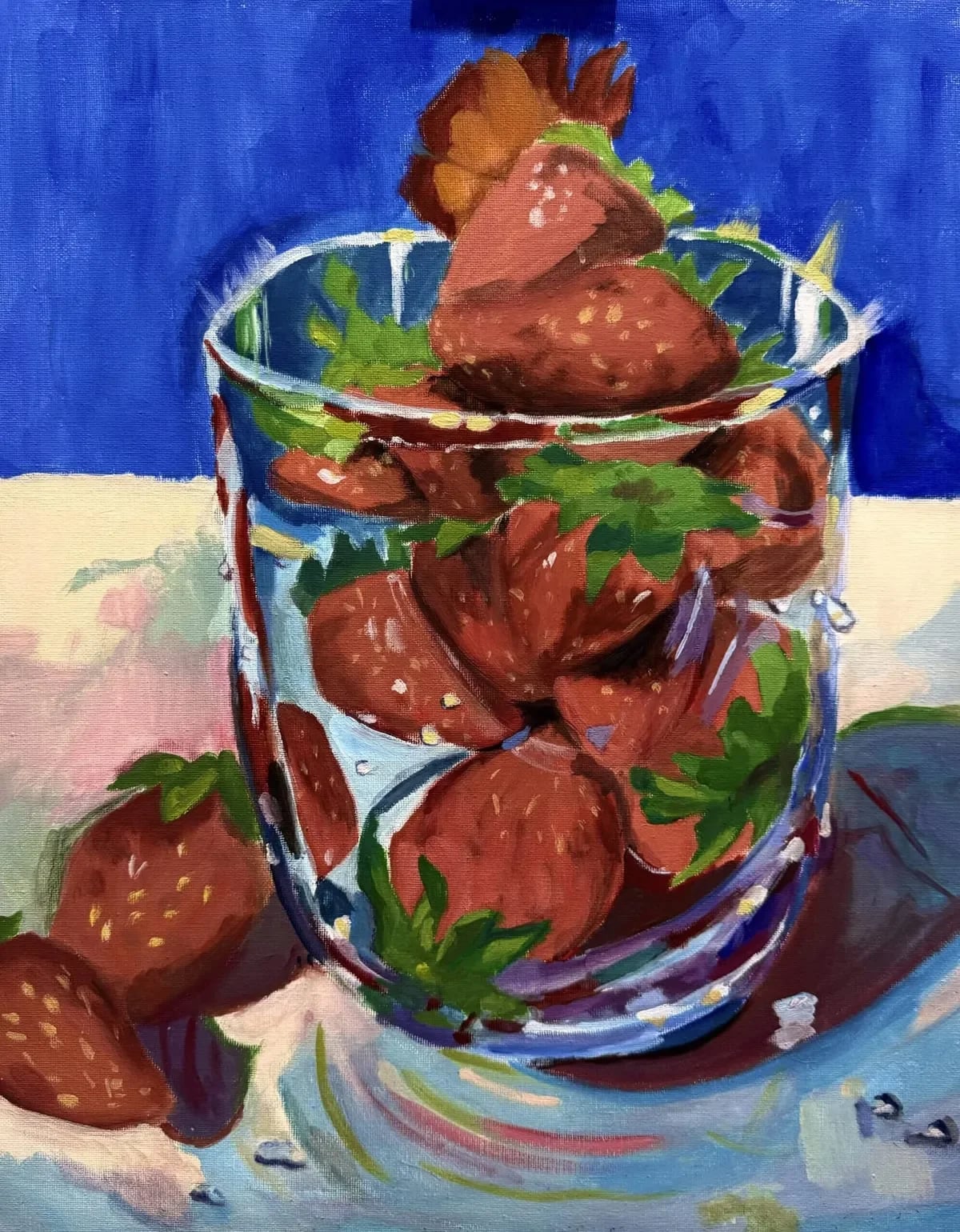
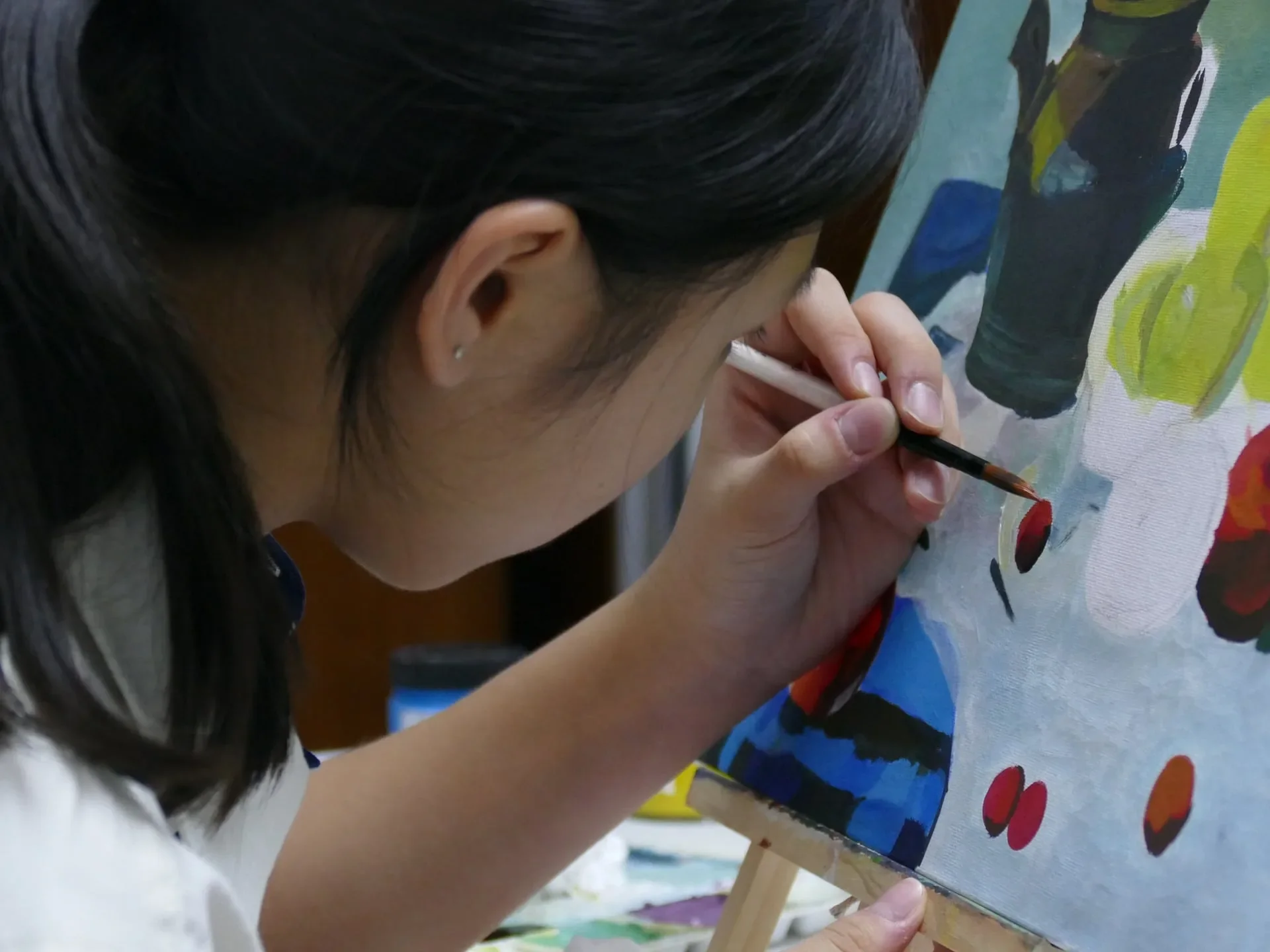
  3. Acrylic painting — colour mixing, opacity control, mixed-media compatibility
  4. Mixed media — combining drawing, painting, collage, and texture for portfolio depth
  5. Digital art — iPad/Procreate fundamentals for students considering digital pathways
Articles

Art Education (44 articles)

Related Topics

Frequently Asked Questions