
Painting classes in Singapore for adults cover three main mediums — watercolour, acrylic, and oil painting — each with distinct characteristics that suit different learning goals and creative preferences. At Art by Ancourage, beginners typically start with acrylic or watercolour, while experienced painters may explore oil painting for its depth and blending qualities.
As a LASALLE College of the Arts graduate and instructor at Art by Ancourage, I teach adult painting students ranging from complete beginners discovering art for the first time to experienced artists pursuing specific technical goals. The National Arts Council of Singapore supports arts education as essential for holistic development, and painting is one of the most accessible ways for adults to engage with the visual arts. This guide helps you understand what each medium offers and how to choose the right starting point. Painting is one of five pathways within our art classes for adults — Explorative, Professional, Private Lessons, Guided Art Jamming, and Couples Art. Workplaces can also book team-building art sessions for companies as a group activity.
Watercolour Painting Classes
Watercolour is one of the two mediums adult beginners in Singapore most often start with (alongside acrylic), prized for its luminosity, portability, and the beautiful "happy accidents" that occur when water interacts with pigment.
- Key techniques: Wet-on-wet washes, dry brush detail, colour layering (glazing), lifting, and masking
- Best for: Beginners who want immediate, expressive results. Working adults who want a portable, low-setup medium. Landscape and botanical illustration enthusiasts
- Challenges: Watercolour is less forgiving than acrylic — you cannot easily paint over mistakes. This teaches planning and decisiveness, which are valuable artistic habits
- At Art by Ancourage: Covered in both Painting Classes and Explorative Art Classes. Also available in standalone workshops
Art by Ancourage offers painting classes in watercolour, acrylic, and oil in small groups of 3–6 at Bishan and Woodlands — all materials provided. Book a trial class (from $18) to find your ideal medium with instructor guidance.
Acrylic Painting Classes
Acrylic paint is the most versatile and beginner-friendly medium — it dries quickly, can be used thick or thin, and allows painting over mistakes easily. For a deeper look at techniques, materials, and what to expect in a dedicated programme, see the full guide to acrylic painting classes in Singapore.
- Key techniques: Colour mixing, brushwork, layering, blending, impasto (thick texture), wash techniques, and palette knife application
- Best for: Absolute beginners who want to build confidence quickly. Students interested in bold, vibrant colours. Those who want to experiment without the slow drying time of oil
- Advantages: Quick drying allows multiple layers in one session. Water-based cleanup is simple. Works on canvas, paper, wood, and fabric
- At Art by Ancourage: The primary painting medium in beginner-level Painting Classes and Explorative Art Classes
Oil Painting Classes
Oil painting offers the richest colour depth and most sophisticated blending of any painting medium, but requires more patience and technique than watercolour or acrylic.
- Key techniques: Underpainting, glazing, alla prima (wet-on-wet), scumbling, impasto, and fat-over-lean layering
- Best for: Intermediate to advanced students who want gallery-quality results. Portrait and still life painters seeking realistic flesh tones and subtle transitions. Students building a professional portfolio
- Challenges: Long drying times (days to weeks between layers), requires solvents for cleanup, and needs more technique knowledge to avoid common problems like cracking
- At Art by Ancourage: Taught in Professional Fine Art Classes for students with some painting foundation. Oil painting is also covered in advanced-level Painting Classes
Which Painting Medium Should Beginners Choose?
For most adult beginners, acrylic is the recommended starting medium because it is forgiving, versatile, and allows you to learn core painting principles without medium-specific frustrations.
| Factor | Watercolour | Acrylic | Oil |
|---|---|---|---|
| Beginner-friendliness | Moderate | High | Moderate — needs guidance |
| Drying time | Minutes | Minutes to hours | Hours workable; days to weeks between layers |
| Correctable mistakes | Limited | Easy — paint over | Easy while wet |
| Cleanup | Water only | Water only | Solvents required |
| Colour vibrancy | Translucent, luminous | Bold, opaque | Deep, rich |
| Cost | Moderate | Affordable | Higher |
That said, there is no wrong choice. If you are drawn to watercolour's luminosity or oil's depth, starting with your preferred medium keeps you motivated. The instructor at Art by Ancourage will adapt the teaching to your chosen medium and skill level. Many adult students explore two or three mediums over their first year before settling on the one that best matches their creative goals and working style. Try a trial class (from $18) to find your ideal medium.
Progression Across Painting Mediums
Most adult students benefit from starting with one medium and branching out once they have built core skills — colour mixing, brush control, and composition transfer across all painting mediums.
A natural progression for beginners is: acrylic first (forgiving, fast-drying, builds confidence), then watercolour (teaches planning and spontaneity with less room to correct), and finally oil painting (rewards patience with the richest depth and blending). Students who start with watercolour or oil can succeed too — the instructor adapts the teaching sequence to match your chosen medium.
Cross-medium skill transfer is significant. Students who learn colour mixing in acrylic find watercolour glazing intuitive. Composition principles learned through any medium apply universally. At Art by Ancourage, the instructor helps students identify when they are ready to explore a second medium and structures the transition to build on existing strengths rather than starting over.
Painting as a Wellness Practice
Beyond skill development, painting offers measurable well-being benefits — World Health Organization research confirms that arts participation reduces stress, improves emotional regulation, and supports cognitive health in adults. Many adult students at Art by Ancourage describe their weekly painting session as their most effective decompression activity. The focused, immersive nature of mixing colours, making deliberate brushstrokes, and building an image over time produces a meditative flow state that differs from passive relaxation like watching television. Singapore's emphasis on creative thinking — the country ranked first globally in the OECD PISA 2022 creative thinking assessment — reflects a cultural recognition that creative pursuits have value beyond the purely aesthetic.
What to Expect in a Painting Class
A typical painting session at Art by Ancourage lasts 2 hours and follows a structured format designed for real learning.
- Technique introduction: The instructor demonstrates the session's focus skill — colour mixing, brush control, composition — with explanation of the underlying principles
- Guided practice: Students work on their own painting with real-time feedback. The instructor moves between students, correcting technique and offering suggestions
- Review and next steps: Each painting is discussed: what works well, what to develop, and what the next session will build on
Classes run in groups of 3–6 students at both Bishan and Woodlands studios. All paints, brushes, canvases, and surfaces are provided — you do not need to buy any materials. Trial classes are from $18.
Materials and Class Setup
Art by Ancourage provides all painting materials — paints, brushes, palettes, canvases, watercolour paper, and aprons — so adult students can focus entirely on learning without worrying about supplies.
- Watercolour: Professional-grade watercolour paints, round and flat brushes, 300gsm cold-press watercolour paper, masking fluid, and mixing palettes
- Acrylic: Artist-grade acrylic paints, canvas boards or stretched canvas, a range of brush shapes including palette knives for texture work
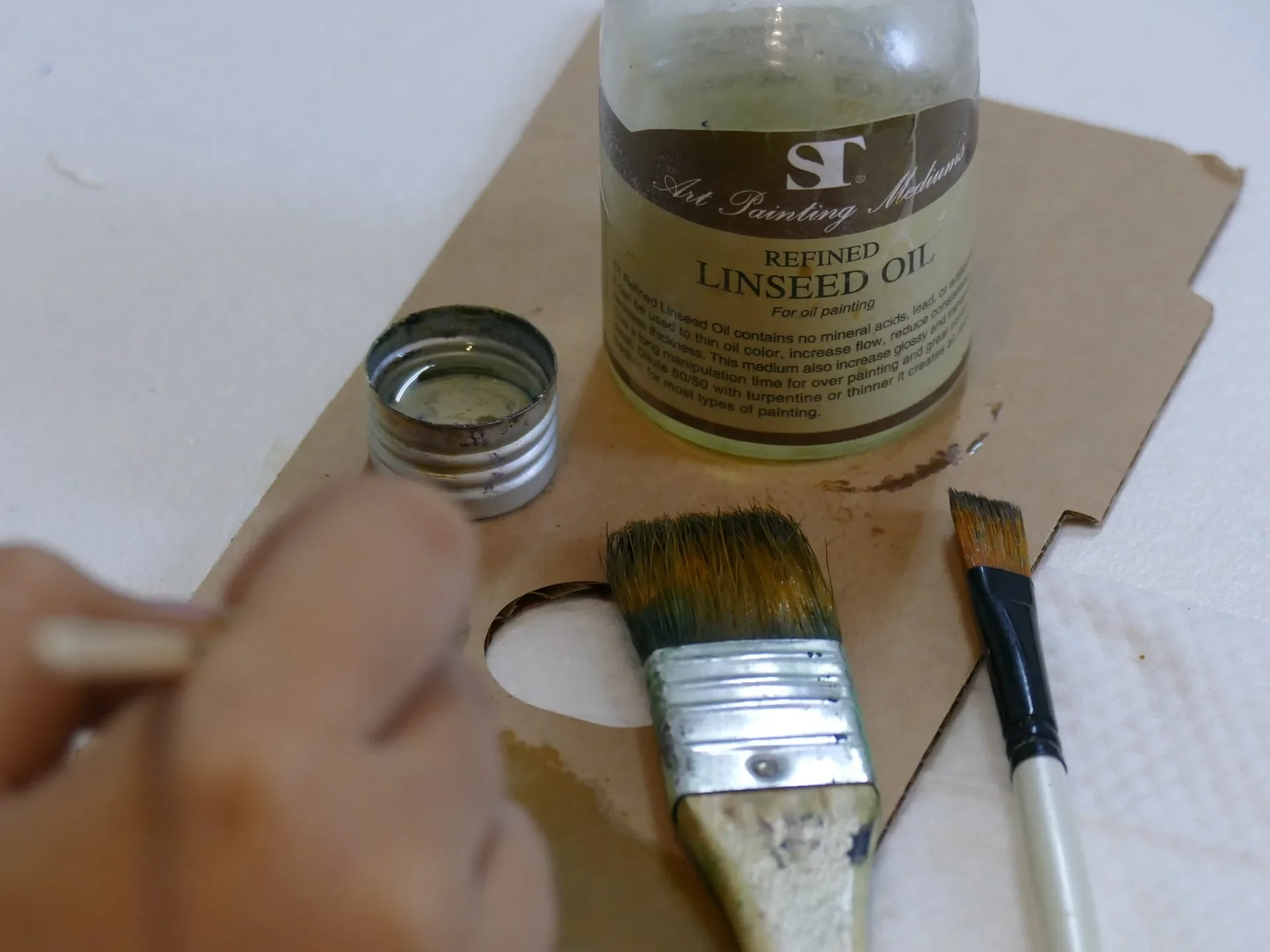
- Oil: Oil paints, primed canvases, natural-hair brushes, linseed oil medium, and solvents with proper ventilation
Studios at both Bishan and Woodlands are equipped with easels, drying racks, and good lighting. Students do not need to purchase or bring any materials — everything from brushes to professional-grade paints is provided. For those who wish to continue painting at home, the instructor can recommend a starter kit tailored to your chosen medium and budget.
Painting Classes vs Art Jamming
Painting classes teach you how to paint; art jamming gives you a canvas and lets you figure it out yourself. Art jamming is fun as a social activity, but if you want to actually develop painting skills — colour theory, brush control, composition, layering — you need structured instruction. Read the full comparison in the art jamming vs art classes guide.
Common Questions About Painting Classes
Do I need to know how to draw before painting?
Drawing foundations help — better observation leads to better composition and colour placement. However, drawing is not a strict prerequisite. Many students at Art by Ancourage take drawing and painting classes simultaneously. The instructor adapts to your starting point.
Is watercolour harder than acrylic for beginners?
Watercolour is less forgiving because you cannot easily cover mistakes — you work light to dark and must plan ahead. Acrylic allows painting over errors, making it more comfortable for absolute beginners who want to build confidence quickly. That said, watercolour rewards spontaneity and produces uniquely luminous effects that many students find immediately satisfying.
How long before I can paint something I am proud of?
Most adult students produce work they are genuinely pleased with within 4–8 sessions. Early sessions focus on foundational skills (colour mixing, brush control), and these translate quickly into more confident, expressive painting. The key is consistent weekly practice with professional feedback.
Can I try different painting mediums before committing?
Yes. Art by Ancourage's Explorative Art Classes allow you to work across watercolour, acrylic, and other mediums before choosing a specialisation. A trial class (from $18) also gives you the opportunity to discuss your interests with the instructor, who can recommend the best medium based on your goals and creative preferences.
Related: Watercolour Classes Guide · Beginner drawing lessons · Adult beginner art lessons · Art jamming compared with classes · Art class fees explained · Art classes for older adults · Oil painting for beginners & adults · Date-night painting for couples · Major Art Movements Explained guide · Singapore Art History & Local Artists to Know guide