
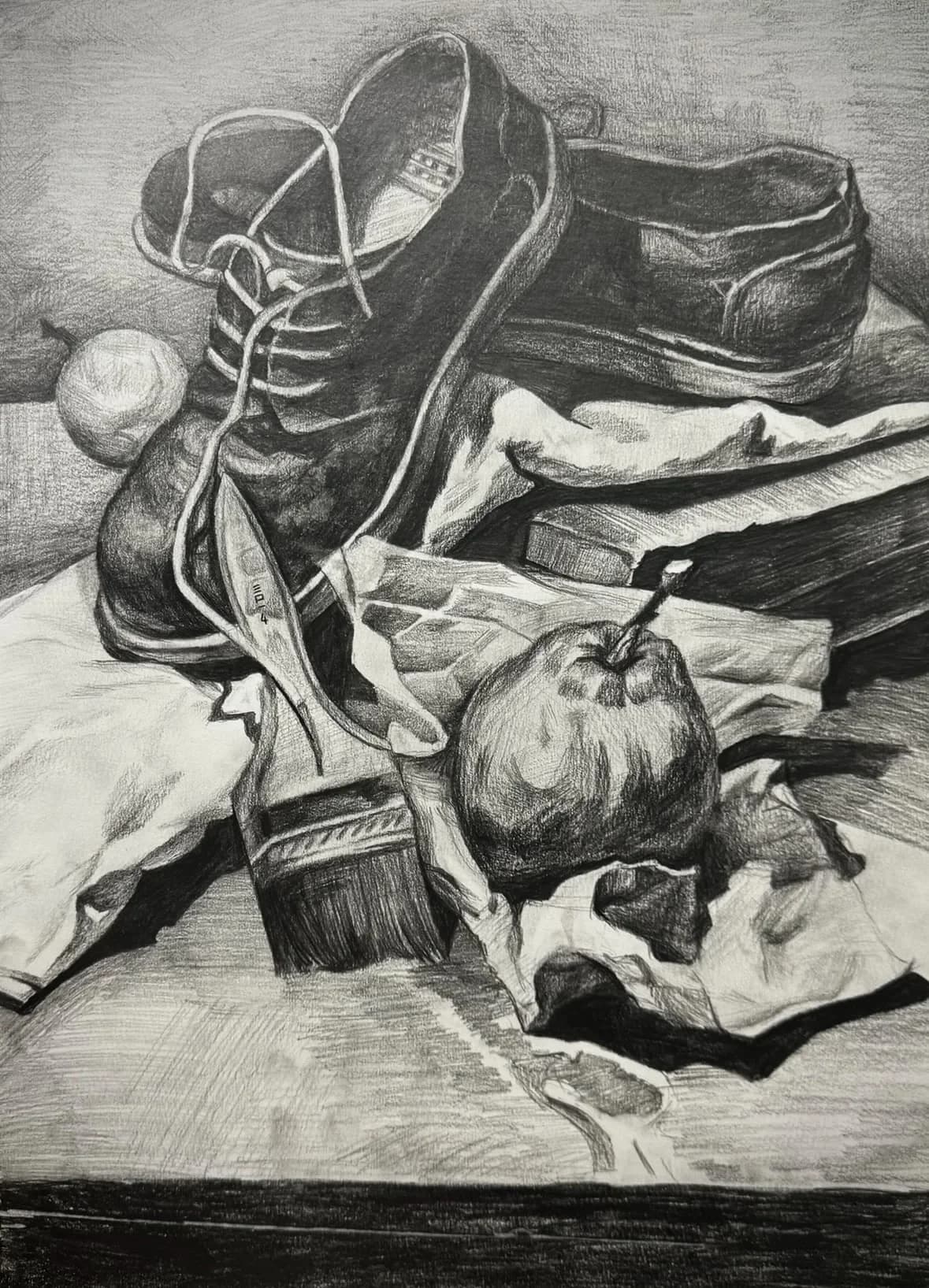
A successful DSA art portfolio demonstrates technical proficiency, creative thinking, and artistic growth over time — most students need 2-3 years of preparation starting from Primary 4. Schools like SOTA, NJC, and Victoria School look for versatility across media, original concepts, and evidence of artistic development. Art by Ancourage's DSA programme helps parents navigate everything about Visual Arts applications.
As the founder of Art by Ancourage with experience preparing students for DSA art portfolios, I have seen what makes applications stand out. Art by Ancourage has maintained a 100% DSA acceptance rate to date, for students with 1+ year in our DSA programme — with students admitted to SOTA, HCI (AEP), SJI, NJC, Victoria School, Nan Chiau High, LASALLE, NAFA, RISD and CalArts, and to Dunman High School through its Direct School Admission exercise. The process is more than compiling artwork — it requires strategic planning, skill development, and authentic artistic expression.
What Is DSA for Visual Arts?
DSA for Visual Arts is the Direct School Admission talent area under which secondary schools — SOTA, the three AEP schools that run an art talent area under DSA-Sec, and other schools with a Visual Arts DSA — admit Primary 6 students on artistic ability, typically shown through a portfolio, a drawing task and an interview, ahead of PSLE results; Art by Ancourage's DSA Portfolio programme provides the structured guidance admissions committees look for — book an Art trial class (from $18) to assess your child's current portfolio readiness.
Direct School Admission (DSA) for Visual Arts allows Primary 6 students to gain early admission to secondary schools based on their artistic talent, before PSLE results are released. This pathway recognises that academic grades alone do not capture a student's full potential.
According to MOE's DSA guidelines, students apply through the centralised MOE DSA-Sec Portal, submit portfolios, attend interviews or auditions, and receive Confirmed Offer or Wait List outcomes from schools. Students then rank their preferred schools through the portal, and allocation results are released alongside PSLE results. Once allocated, the student is committed to that school.
Use the MOE School Finder to identify schools offering DSA Visual Arts and compare their programmes.
Benefits of DSA Visual Arts:
- Early certainty: Secure a school place before PSLE stress peaks
- Talent recognition: Gain admission based on artistic strengths
- Specialised programmes: Access to schools with strong art programmes
- Portfolio development: Build skills valuable for future art education
Top Secondary Schools for DSA Visual Arts
Schools offering DSA Visual Arts range from specialised arts institutions like SOTA to mainstream schools with Art Elective Programmes (AEP). Each has different selection criteria and programme strengths.
Specialised Arts Institution
| School | Programme | Key Strengths |
|---|---|---|
| School of the Arts (SOTA) | Specialised Independent School | Full IB Diploma or IBCP pathway; intensive daily visual arts training; dedicated studio facilities; artist mentorship programme |
SOTA is Singapore's only pre-tertiary specialised arts school. Portfolio requirements and selection processes are updated annually — the DSA-Sec Visual Arts portfolio was cut from ten pieces to five for the 2025 cycle, the optional sketchbook was dropped for 2026, and nothing is uploaded at application: shortlisted applicants present the five original artworks in person at the Portfolio Interview. SOTA's Year 5 IBDP route is separate and still asks for ten artworks plus five to eight sketchbook pages, uploaded at application. SOTA's application timeline differs from the main MOE DSA portal — check SOTA's DSA page for current requirements and dates.
Art Elective Programme (AEP) Schools
All seven AEP schools are listed because AEP is the programme families compare — but only three run an art talent area under DSA-Sec. At the other four, AEP entry is through the school’s own Secondary 1 selection exercise after posting, not a DSA art application. AEP schools offer a structured art curriculum alongside strong academics. AEP students take G3 Higher Art as a full examinable subject through to the SEC examination.
| School | Location | Art talent area under DSA-Sec? | Key Strengths |
|---|---|---|---|
| National Junior College (Sec) | Bukit Timah | Yes | Strong academic + art combination; AEP Centre for external students |
| Hwa Chong Institution | Bukit Timah | Yes, from the 2026 intake | Integrated Programme with arts; AEP available as a DSA talent area from 2026 |
| Victoria School | Siglap | Yes | Traditional strengths in visual arts; boys' school |
| Nanyang Girls' High School | Bukit Timah | No — AEP entry after Secondary 1 posting | SAP school; girls' school with strong visual arts tradition |
| Zhonghua Secondary School | Serangoon | No — AEP entry after Secondary 1 posting | Autonomous government school; accessible from Bishan; strong community arts focus |
| Bukit Panjang Govt. High School | Choa Chu Kang | No — AEP entry after Secondary 1 posting | Accessible from Woodlands; established AEP with exhibition programme |
| CHIJ Secondary (Toa Payoh) | Toa Payoh | No — AEP entry after Secondary 1 posting | Girls' school; near Bishan; strong applied arts programme |
Enhanced Art Programme (EAP) Schools
EAP schools offer enriched art experiences beyond the regular curriculum. EAP students are not eligible for the AEP Centre at National Junior College — MOE restricts its centralised weekly lessons to students who are not enrolled in AEP or EAP schools.
| School | Location | Key Strengths |
|---|---|---|
| Naval Base Secondary School | Yishun | Accessible from Woodlands; strong visual arts CCA |
| Ngee Ann Secondary School | Tampines | Established EAP with gallery exhibitions |
| Nan Chiau High School | Sengkang | SAP school; Chinese ink painting tradition |
| St. Andrew's School (Secondary) | Potong Pasir | Boys' school; near Bishan; applied and fine arts |
| CHIJ Katong Convent | Marine Parade | Girls' school; creative arts integration |
| Orchid Park Secondary School | Yishun | Accessible from Woodlands; community arts projects |
| New Town Secondary School | Dover | Applied learning in art and design |
| Meridian Secondary School | Pasir Ris | Digital arts and traditional media blend |
| Jurong West Secondary School | Jurong West | Applied arts focus with industry partnerships |
Other Schools with DSA Visual Arts
Many other secondary schools accept DSA applications for Visual Arts talent. Notable schools include:
| School | Location | Key Strengths |
|---|---|---|
| Raffles Institution (Year 1-4) | Bishan | Near Bishan centre; IP school with visual arts talent area |
| Raffles Girls' School (Sec) | Braddell Rise | Girls' IP school; strong creative arts programme |
| River Valley High School | Boon Lay | SAP school; Chinese painting and calligraphy specialism |
| Deyi Secondary School | Ang Mo Kio | Near Bishan; Visual and Performing Arts DSA talent area, with a Learning for Life Programme through the arts |
| St. Margaret's School (Secondary) | Farrer Road | Girls' school; fine arts and crafts tradition |
| Tampines Secondary School | Tampines | Digital art and animation focus |
| Hillgrove Secondary School | Bukit Batok | Art and design specialism; exhibition culture |
Use the MOE School Finder to confirm current DSA talent areas for each school, as programmes may change annually. Schools near the Art by Ancourage Bishan centre include Raffles Institution, Zhonghua Secondary, CHIJ Secondary (Toa Payoh), Deyi Secondary, and St. Andrew's Secondary. Schools accessible from the Art by Ancourage Woodlands centre include Naval Base Secondary, Bukit Panjang Govt. High School, and Orchid Park Secondary.
Research each school's art programme thoroughly. SOTA offers an intensive arts-focused education, AEP schools balance art with strong academics, and EAP schools provide enriched art experiences. Consider which environment suits your child's goals. The guide on choosing a secondary school covers broader factors to consider.
When to Start Portfolio Preparation
Serious portfolio preparation should begin in Primary 4, giving students 2-3 years to develop skills, explore media, and build a cohesive body of work. Starting in Primary 5 is possible but leaves less time for artistic growth.
Recommended timeline:
- Primary 4: Explore different media and techniques, identify strengths and interests
- Primary 5: Develop technical skills, start creating portfolio-quality pieces
- Primary 6 (Jan-May): Refine portfolio, prepare artist statement, practice for interview
- Primary 6 (May–early Jun): DSA application window; Jun–Aug: school selections
At Art by Ancourage, the DSA Portfolio programme guides students through this timeline with structured skill development and portfolio building.
What Schools Look For in Portfolios
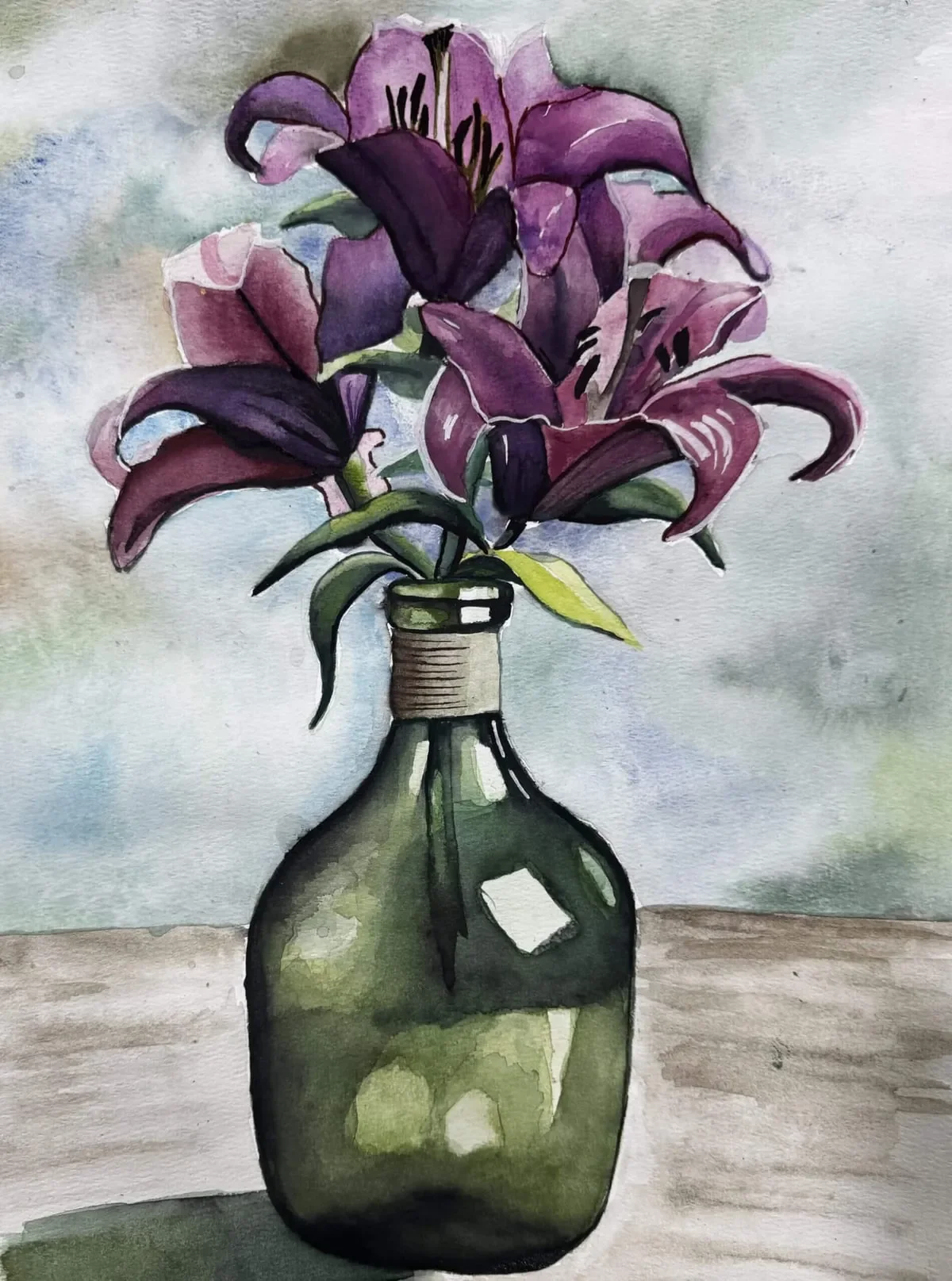
Art schools evaluate technical proficiency, creative thinking, versatility across media, and evidence of artistic growth — not just polished final pieces. A strong portfolio tells a story of development and genuine artistic interest.
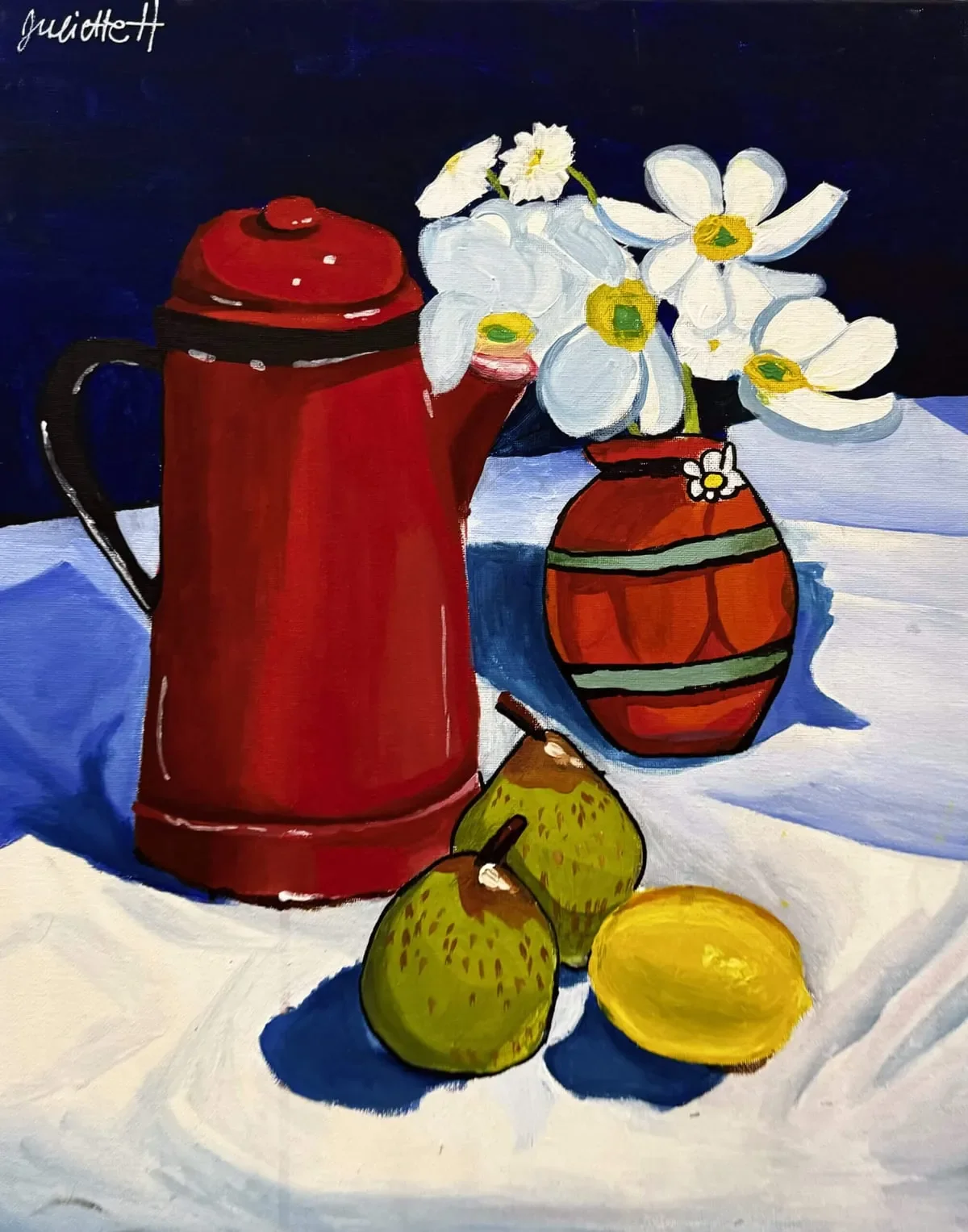
Key evaluation criteria:
- Technical skill: Mastery of drawing fundamentals, colour theory, composition
- Creativity: Original ideas and unique artistic voice
- Versatility: Work across different media (drawing, painting, mixed media, sculpture)
- Growth: Evidence of improvement and willingness to experiment. Participating in art competitions in Singapore can further strengthen a portfolio by demonstrating initiative and external recognition
- Process: Sketches and developmental work showing artistic thinking
- Presentation: Professional organisation and documentation
Building a Strong Portfolio
Portfolio size varies by school — SOTA's DSA-Sec route collects no portfolio at application and asks shortlisted applicants to present just five artworks in person, cut from ten for the 2025 cycle, while other DSA-Visual Arts schools and AEP pathways set their own expectations that are updated annually. Across all pathways, quality matters more than quantity, with a balance of observational work, creative pieces, and process documentation.
Recommended portfolio composition:
- Observational drawings (3-4 pieces): Still life, portraits, nature studies
- Creative/imaginative work (4-5 pieces): Original compositions, illustrations, concepts
- Different media (3-4 pieces): Painting, mixed media, sculpture, digital
- Process work (2-3 pages): Sketchbook pages, developmental studies
- Personal project (1-2 pieces): Self-directed work showing genuine interest
Avoid including only one type of work. Schools want to see that your child can draw, paint, experiment with materials, and think creatively. The Art by Ancourage Professional art programme helps advanced students develop the range needed for competitive portfolios.
Common Portfolio Mistakes
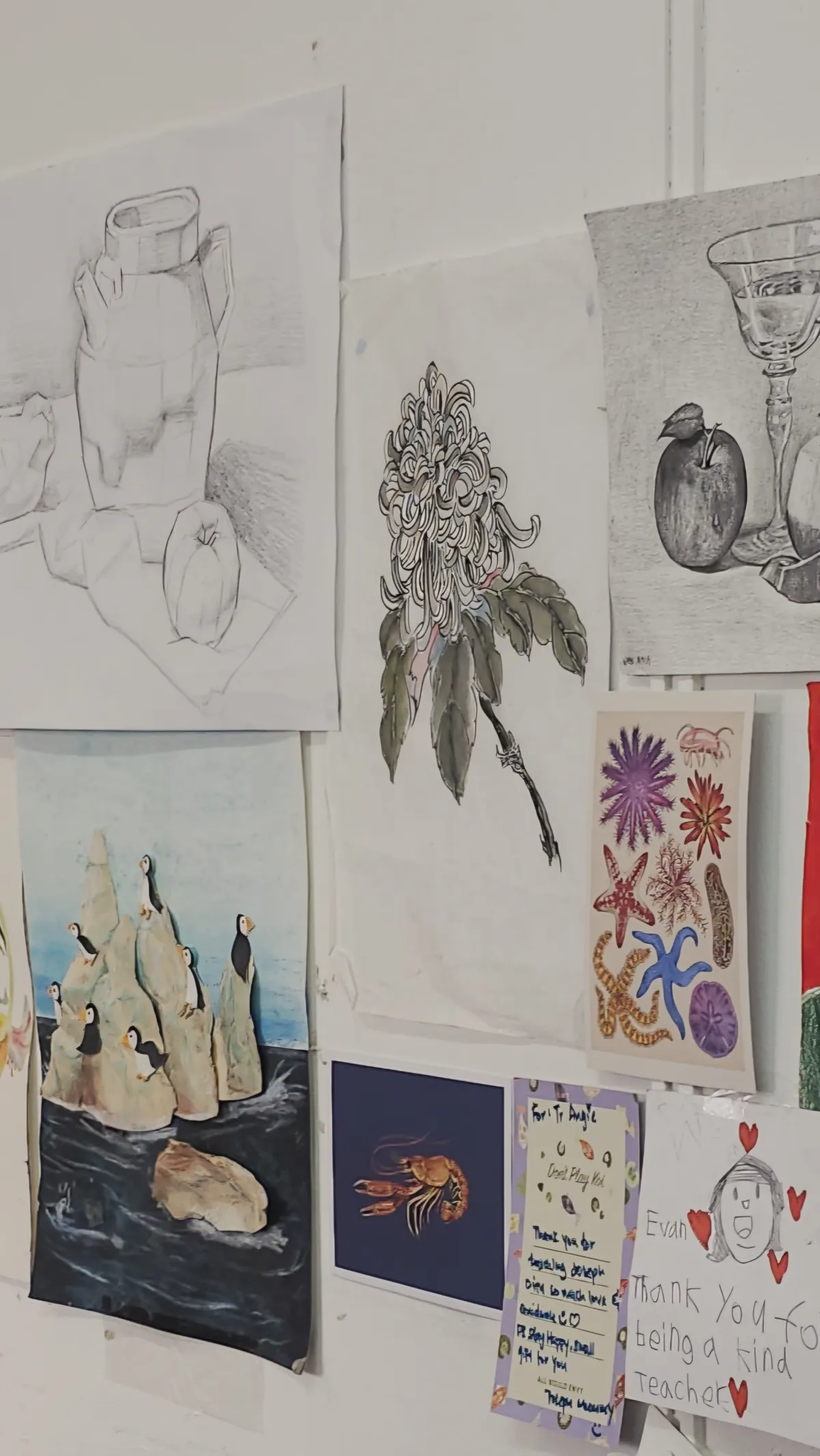
The most common mistakes are copying images without original interpretation, focusing only on one medium, and including too much work without quality control.
- Copying without creativity: Reproducing images exactly shows technical skill but not artistic thinking
- One-dimensional work: Only including drawings or only digital art limits your portfolio
- Too much quantity: 30 mediocre pieces are weaker than 15 strong ones
- No process work: Final pieces without sketches miss showing artistic development
- Poor presentation: Crumpled work, bad photos, or disorganised layout
- Last-minute rush: Work created in a few months lacks the depth of long-term development
The DSA Interview and Drawing Task
Beyond the portfolio, schools assess students through interviews and sometimes live drawing tasks to evaluate artistic thinking, passion, and potential. Preparation for this component is often overlooked.
What to expect:
- Portfolio discussion: Be ready to explain your work, inspiration, and process
- Live drawing task: Some schools include observational or creative drawing tests
- Questions about art: Why you love art, favourite artists, artistic goals
- Questions about the school: Why this school, what programmes interest you
Practise articulating your artistic journey. Students who can discuss their work thoughtfully make stronger impressions than those who only show technical skill. Book an Art trial class (from $18) to experience how Art by Ancourage develops these communication skills alongside artistic technique.
Supporting Your Child's Art Development
Parents can support DSA preparation by providing exposure to art, materials for practice, and encouragement without taking over the creative process. The portfolio should reflect your child's authentic artistic voice.
- Visit museums and galleries: Expose your child to diverse art forms
- Provide materials: Quality art supplies encourage experimentation
- Encourage regular practice: Daily sketching builds skills faster than weekly classes alone
- Avoid over-directing: Let your child develop their own style and interests
- Celebrate effort: Focus on growth and experimentation, not just polished results
- Consider structured training: Art classes provide technique and guidance
The Art by Ancourage Explorative art programme develops foundational skills while encouraging personal artistic expression. Teens who want to build a broader creative foundation alongside their portfolio work can also explore our art classes for teens guide, which covers structured programmes for secondary school students.
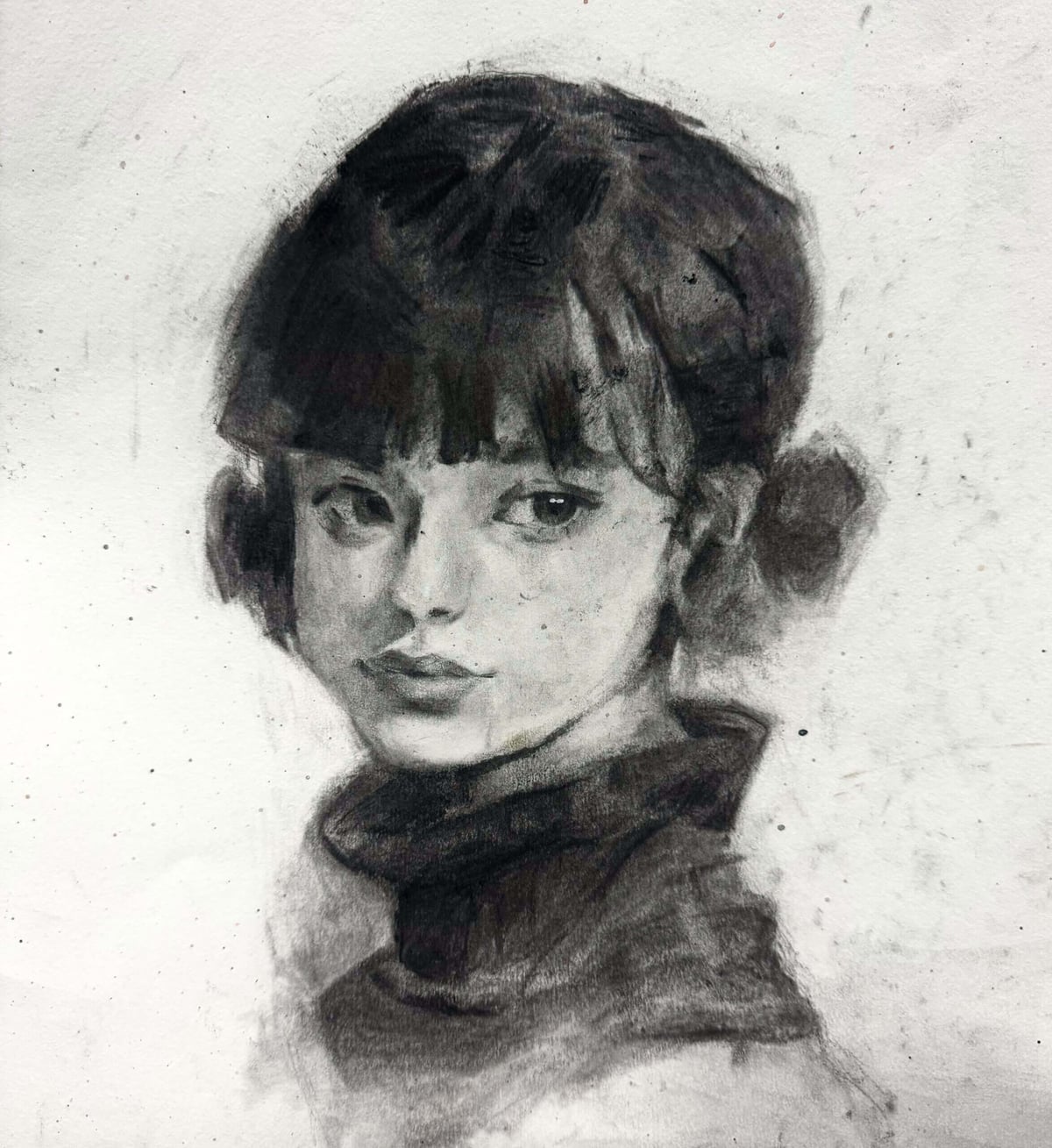
Based on Art by Ancourage's experience, students who start portfolio preparation in Primary 4 arrive at the interview with a body of work that shows genuine progression over two years — something admissions panels notice and a rushed folder cannot fake.
One parent shared: "We started DSA art preparation when my daughter was in P4. By P6, she had a portfolio showing real growth over two years. The interviewer commented specifically on how her artistic voice had developed. She received offers from two schools."
Whatever goes into the folder, a portfolio has to be demonstrably the child's own work. Our guide to reference photos and originality in student art covers how to use reference images honestly and keep a source record from the very first sketchbook.
Visit the Art by Ancourage centres in Bishan or Woodlands to view student portfolio samples and discuss your child's DSA art preparation journey, or WhatsApp Art by Ancourage with any questions. For more admission guidance across every talent area, browse our full DSA guides hub.
Common Questions About DSA Art Portfolio
Does my child need formal art training for DSA?
Formal training is not strictly required but is highly beneficial for most applicants. Self-taught students can succeed if they demonstrate genuine talent and authentic passion through their portfolio, but structured guidance helps develop technical skills, portfolio strategy, and interview preparation. Art by Ancourage teaches in small groups of 3-6 students, so each child gets personalised feedback on their portfolio. Based on Art by Ancourage's observations, the majority of successful DSA Visual Arts applicants have participated in some form of art education programme.
Can my child apply to multiple schools for DSA Visual Arts?
Yes. Families may submit up to three DSA choices, and up to two of those may be different talent areas at the same school. For mainstream schools the application itself is centralised — one MOE DSA-Sec Portal, one window, one deadline (4.30pm on 2 June in the 2026 cycle). What differs from school to school is the selection activity, its schedule, and the criteria for Visual Arts — portfolio review, on-the-spot drawing, aptitude test or interview. If applying to multiple schools, consider tailoring your portfolio presentation to highlight aspects that align with each school's specific programme focus and artistic emphasis. SOTA is the exception: applications go directly to the school on its own timeline, though SOTA still counts toward the maximum of three schools at the October preference-ranking stage.
What if my child gets DSA but PSLE results are poor?
A confirmed DSA place is guaranteed only if your child's PSLE result qualifies them for a Posting Group that the school admits from (for the Integrated Programme, Posting Group 3). If the result falls short of that Posting Group, the offer may be withdrawn and your child will go through the normal S1 posting exercise instead. This is why maintaining focus on both art preparation and academic studies throughout Primary 5-6 is essential for DSA candidates.
Is DSA easier than getting in through PSLE?
Not necessarily easier — it is a different pathway with its own challenges. DSA Visual Arts is competitive, with many talented students applying to popular schools like SOTA and AEP programmes. However, DSA offers a valuable alternative pathway for students whose artistic strengths and creative potential are not fully captured by academic grades alone. Success requires genuine talent, dedicated preparation, and a portfolio that authentically represents your child's artistic journey.
Related: Applying for the AEP · General DSA Guide · The Value of Art Education · Art Education Benefits: Research · Choosing Secondary School · How to Draw Faces · Art Techniques Guide · Digital art classes (Procreate/iPad) · When to start art classes · Documenting artwork for portfolios · Art Pathways Compared guide · After the DSA Art Offer