
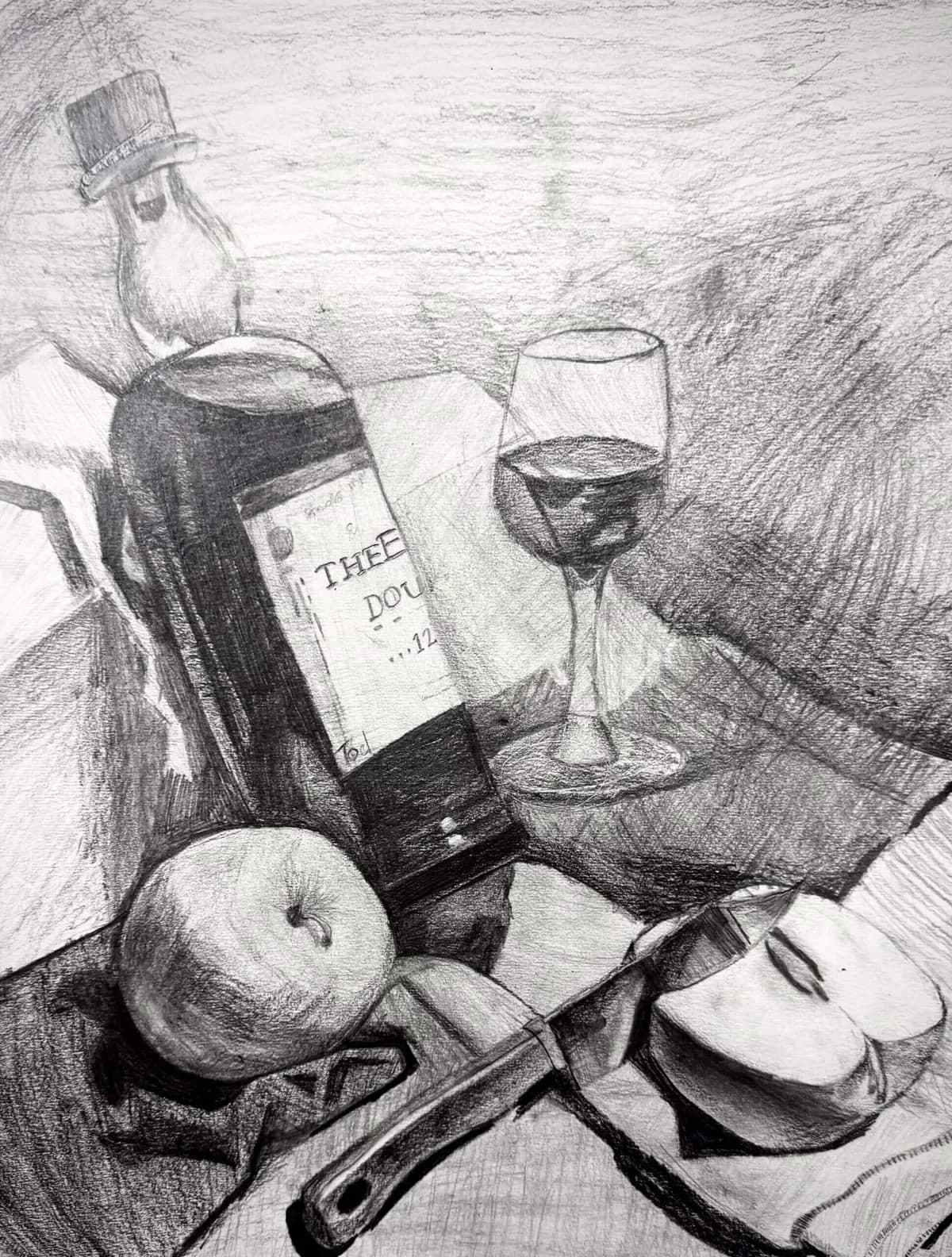
Watercolour classes in Singapore teach the foundational techniques of water-based painting — wet-on-wet washes, dry brush detail, colour layering (glazing), lifting, and masking — in structured sessions with qualified Art instructors. At Art by Ancourage, watercolour is one of the most popular painting mediums for beginners because it is portable, produces luminous results, and teaches valuable lessons about planning and spontaneity in art.
As a LASALLE College of the Arts trained instructor at Art by Ancourage, I teach watercolour as one of the core mediums in both Painting Classes and Explorative Art Classes. The National Arts Council of Singapore supports arts education as essential for holistic development, and watercolour is an ideal medium for building foundational painting skills. Many students begin their painting journey with watercolour before expanding into acrylic and oil.
What You Learn in Watercolour Classes
Watercolour classes at Art by Ancourage develop seven watercolour techniques — wet-on-wet, dry brush, glazing (layering), colour mixing, lifting, masking and composition — built up over weeks and months at each student's own pace.
- Wet-on-wet: Applying paint to a wet surface to create soft, flowing transitions — the signature look of watercolour. Used for skies, backgrounds, and atmospheric effects
- Dry brush: Using a dry brush on dry paper for crisp detail and texture — ideal for bark, grass, architectural elements, and fine lines
- Glazing (layering): Building up transparent colour layers to create depth and luminosity. Each layer must dry before the next is applied
- Colour mixing: Understanding primary, secondary, and tertiary colours, warm and cool tones, and how to mix clean, vibrant hues without creating mud
- Lifting: Removing wet or dried paint with a clean brush or tissue to create highlights and correct areas
- Masking: Using masking fluid to preserve white areas of the paper before applying washes — essential for subjects with bright highlights
- Composition: Planning a watercolour painting before starting, including thumbnail sketches, value studies, and colour choices
Art by Ancourage covers watercolour in both Painting Classes and Explorative Art Classes in small groups of 3–6 at Bishan and Woodlands — book a trial class (from $18) to start your watercolour journey.
Is Watercolour Hard to Learn?
Watercolour has a reputation for being "unforgiving," but this is somewhat overstated — with good instruction, beginners can produce beautiful work within their first few sessions.
The main challenge is that watercolour is transparent: you cannot easily paint over mistakes the way you can with acrylic or oil. This means watercolour teaches you to:
- Plan before you paint (composition and value mapping)
- Work from light to dark (preserving highlights)
- Make confident brushstrokes rather than tentative ones
- Embrace the unpredictability of water and pigment interaction
These are excellent artistic habits that transfer to every other medium. Many professional artists consider watercolour the best training ground for developing a painter's eye. At Art by Ancourage, beginners start with simple exercises — flat washes, graduated washes, and basic colour mixing — before progressing to more complex subjects. Trial classes are from $18.
Benefits of Watercolour for Beginners
Watercolour offers unique advantages for adults and children starting their painting journey, combining accessibility with genuine artistic depth.
- Minimal setup and cleanup: Water-based paints require only a jar of water, a palette, and brushes — no solvents or ventilation needed
- Portability: A compact watercolour set, a water brush, and a sketchbook fit in any bag, making it easy to paint outdoors or during travel
- Develops observation skills: Working with transparent layers forces you to study light, shadow, and colour relationships more carefully than opaque mediums
- Builds patience and planning: Because you work light to dark and cannot easily cover mistakes, watercolour teaches thoughtful decision-making that benefits all creative work
- Immediate beauty: Even simple watercolour exercises — a gradient wash, a colour bloom — produce results that feel genuinely artistic from the first session
Watercolour vs Acrylic vs Oil: Which to Start With?
Each medium has distinct advantages for beginners, but watercolour suits students who enjoy spontaneous, flowing results and the beauty of transparent colour.
| Factor | Watercolour | Acrylic | Oil |
|---|---|---|---|
| Effect | Luminous, transparent | Bold, opaque | Deep, rich |
| Layering approach | Transparent glazes (light to dark) | Opaque layers (any order) | Fat-over-lean glazes |
| Paper/surface | Watercolour paper (cold/hot press) | Canvas, paper, wood, fabric | Primed canvas or board |
| Best subjects | Landscapes, botanicals, urban sketching | Portraits, abstract, mixed media | Realistic portraits, still life |
| Portability | Excellent (travel kits available) | Moderate | Low (requires ventilation) |
| Setup time | Minimal | Moderate | Longer |
At Art by Ancourage, your instructor assesses your goals and preferences to recommend the best starting medium. Many students explore multiple mediums within Explorative Art Classes before deciding where to specialise. Read the full comparison in the painting classes guide.
Popular Watercolour Subjects
Watercolour excels at five subjects that play to its natural strengths — landscapes, botanical illustration, still life, urban sketching and portraits — where transparency, luminosity and fluid transitions do the work.
- Landscapes: Skies, water reflections, and atmospheric effects are where watercolour truly shines. Singapore's tropical vegetation and cloud formations make excellent subjects
- Botanical illustration: The transparent layering of watercolour is ideal for rendering petals, leaves, and natural textures with delicate precision
- Still life: Glass, fruit, and reflective surfaces benefit from watercolour's ability to convey light passing through objects
- Urban sketching: Quick watercolour washes over pen-and-ink line drawings — a popular approach for capturing street scenes and architecture
- Portraits: Advanced technique, but watercolour portraits have a distinctive, luminous quality that is difficult to achieve in other mediums
Watercolour as a Mindfulness Practice
Beyond skill development, watercolour painting is increasingly recognised for its meditative, stress-reducing qualities — the focused attention required to manage water flow and pigment creates a natural flow state that many adults find deeply calming.
World Health Organization research confirms that arts participation reduces stress, improves emotional regulation, and supports cognitive health. Watercolour is particularly suited to this because the medium demands present-moment attention — you cannot rush a wet-on-wet wash or force paint to dry faster. This natural pacing teaches patience and mindfulness in a way that acrylic (fast-drying, correctable) does not. Many adult students at Art by Ancourage describe their weekly watercolour session as the most effective decompression activity in their week, more restorative than passive entertainment like watching television. Singapore's emphasis on creative thinking — students ranked first globally in the OECD PISA 2022 creative thinking assessment — reflects a cultural recognition that creative pursuits have value beyond the purely aesthetic.
Building a Watercolour Practice
Consistent weekly practice with professional feedback is the fastest way to develop watercolour skills, and a structured class provides the accountability and guidance that self-teaching often lacks.
Students at Art by Ancourage typically follow a progression that builds confidence at each stage:
- Sessions 1–4: Basic washes, colour mixing, and brush control exercises. Understanding how water-to-pigment ratio affects results
- Sessions 5–8: Simple subjects — single flowers, sky studies, fruit — applying techniques in context
- Sessions 9–16: Intermediate subjects with multiple elements, layered compositions, and deliberate use of wet-on-wet and dry brush
- Ongoing: Personal projects, exploring individual style, and working toward more complex subjects like landscapes, portraits, or botanical series
For those who wish to practise between sessions, the instructor can suggest simple exercises suited to your current level. Even 20 minutes of watercolour practice at home — a colour swatch chart, a single object study — accelerates progress significantly.
What to Expect in Your First Session
A first watercolour session at Art by Ancourage focuses on understanding the medium's behaviour before jumping into a full painting.
- Material introduction: Understanding your brushes, paints, paper types, and how water-to-pigment ratio affects results
- Wash exercises: Practising flat washes, graduated washes, and wet-on-wet to feel how watercolour moves on paper
- Colour mixing: Creating secondary and tertiary colours from a limited palette (primary colours teach more than using pre-mixed colours)
- Simple project: A beginner-appropriate subject — perhaps a single flower, a sky study, or an abstract colour experiment
All materials are provided: professional-grade watercolour paints, brushes, palettes, and watercolour paper. Class sizes are 3–6 students at both Bishan and Woodlands studios. Trial classes are from $18.
Common Questions About Watercolour Classes
Can a complete beginner learn watercolour?
Absolutely. Watercolour is often recommended for beginners because it requires minimal setup, produces immediate visual results, and teaches fundamental painting principles that transfer to every other medium. At Art by Ancourage, many students start with zero painting experience and produce work they are proud of within their first few sessions.
Do I need drawing skills for watercolour?
Basic drawing ability helps with composition and proportion, but it is not a prerequisite for starting watercolour. Many watercolour techniques — washes, colour mixing, abstract effects — do not require precise drawing at all. The instructor at Art by Ancourage will assess your current skill level and adapt the teaching accordingly.
How long to learn watercolour painting?
Most students produce work they are proud of within 4–8 sessions. Understanding the medium's behaviour — how water interacts with pigment on different paper types — takes a few guided sessions, and from there progress accelerates noticeably. Long-term mastery develops over months of consistent weekly practice with professional feedback on technique and composition.
Is watercolour cheaper than other painting mediums?
Watercolour can be more economical — paints last longer because small amounts of pigment go far, and you work on paper rather than expensive stretched canvases. At Art by Ancourage, all materials are included regardless of which medium you choose, so cost should not be a factor when deciding between watercolour, acrylic, or oil.
Related: Learning to paint in Singapore · Learning to draw in Singapore · Learning art as an adult · Budgeting for art classes · Art workshop sessions · Oil painting classes · Corporate team-building art workshops · Acrylic painting classes · a guide to Colour Theory for Art Students · a guide to Planning a Couples Painting Date Night · June Holiday Art Camp explained