DSA (Direct School Admission)

Direct School Admission (DSA) lets Primary 6 and Secondary 4 students secure places in secondary schools and JCs based on talents like art, sports, or leadership. Our 26+ articles cover portfolio preparation, interview strategies, school selection, and timelines to help families navigate the DSA process confidently.

Content verified Q2 2026· Based on current MOE/SEAB syllabus

I've guided dozens of students through the DSA art portfolio process, and the most common mistake I see is submitting only finished pieces. Selectors want to see your creative journey — include sketches, experiments, and even pieces that didn't work out. That's what shows genuine artistic thinking.

Angie — educator at Ancourage Academy
Angie

Founder & Art Programmes Lead, Ancourage Academy

LASALLE Fine Arts · DSA Portfolio Specialist

5from 69 Google Reviews
MOE-Registered Centre
11+ Years Experience
Bishan & Woodlands
DSA (Direct School Admission) key statistics
MetricValue
Articles in this hub(Ancourage Academy content library)26+
DSA-Sec school choices(MOE DSA-Sec application guidelines)Up to 3
Application window(MOE DSA-Sec timeline)May–June annually

About DSA (Direct School Admission)

Direct School Admission (DSA) is an MOE-administered pathway that allows students to gain early admission to secondary schools and junior colleges based on talents and achievements beyond academic results. For families considering Art DSA, the process centres on building a compelling visual portfolio and performing well in school-specific selection exercises.

DSA is competitive — each school sets its own selection criteria and may conduct trials, auditions, interviews, or portfolio reviews. Understanding what each school looks for is critical to a successful application.

  • Portfolio building: Our 26+ articles include step-by-step guides for creating an art portfolio that demonstrates range, technical skill, and creative thinking — the three qualities selectors look for most.
  • School selection strategy: Students can apply to up to three schools for DSA-Sec. Choosing schools that align with both the student's strengths and long-term interests maximises the chances of a good fit.
  • Interview preparation: Many schools include an interview or creative task as part of DSA selection. Articles in this hub cover what to expect, how to discuss your art confidently, and common questions asked during DSA interviews.

Whether your child is in Primary 5 starting to plan ahead or in Primary 6 preparing applications, this hub provides the practical guidance you need at every stage.

How to build a DSA art portfolio

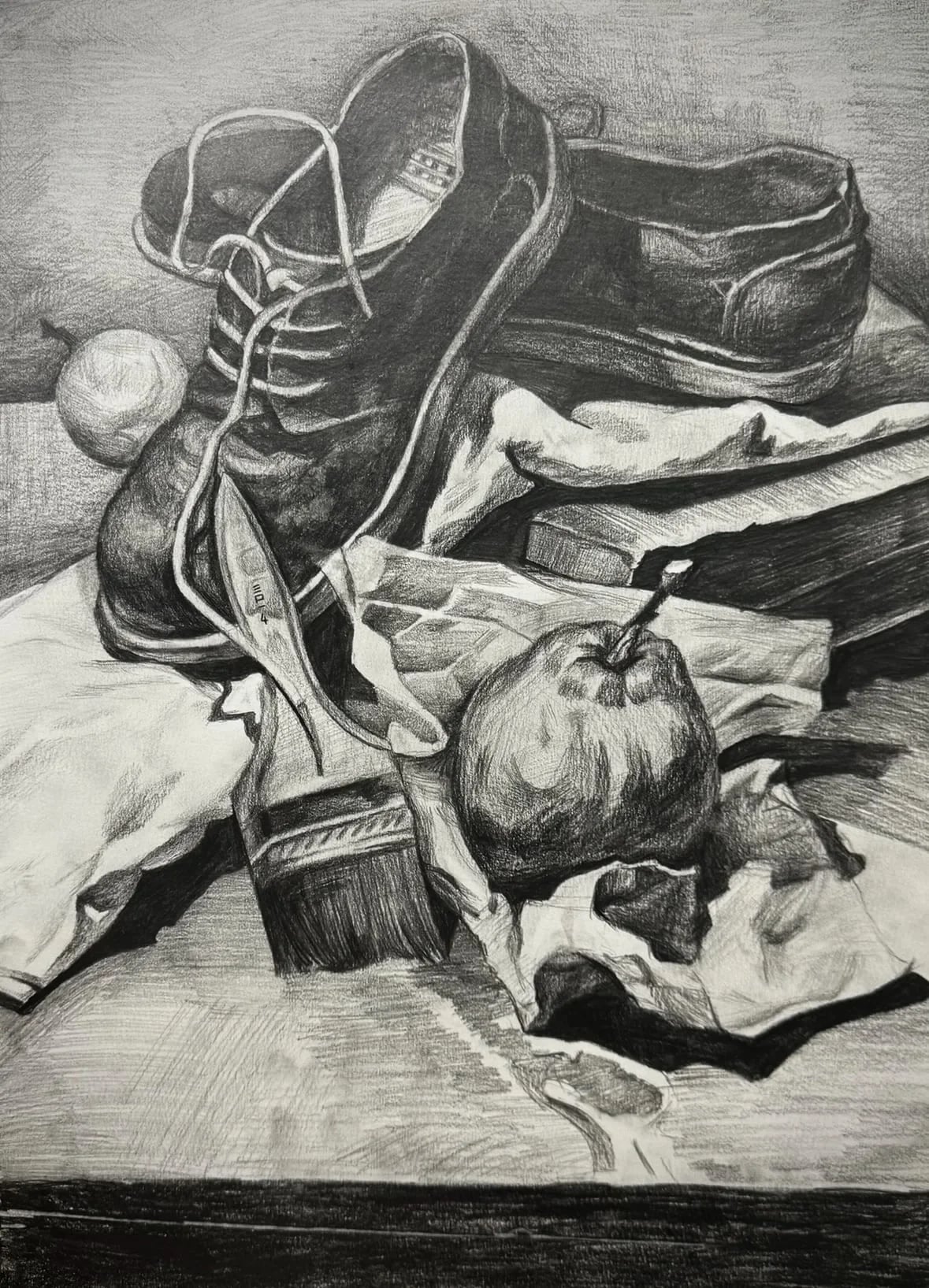
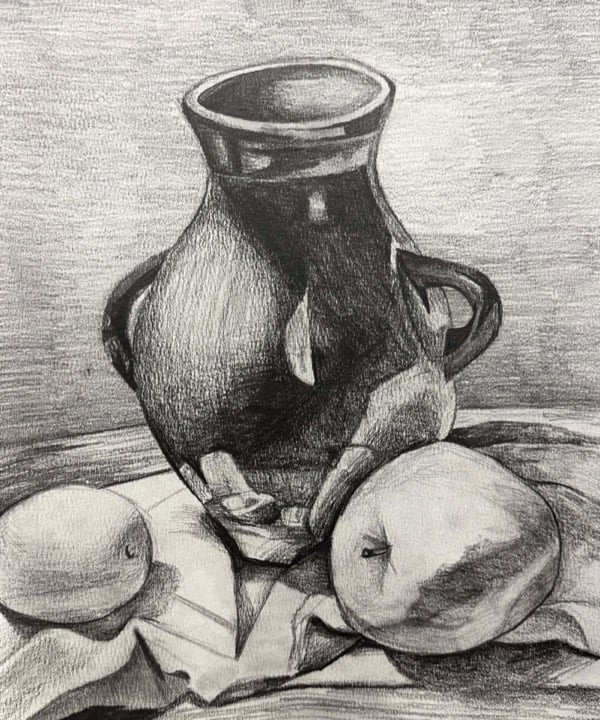
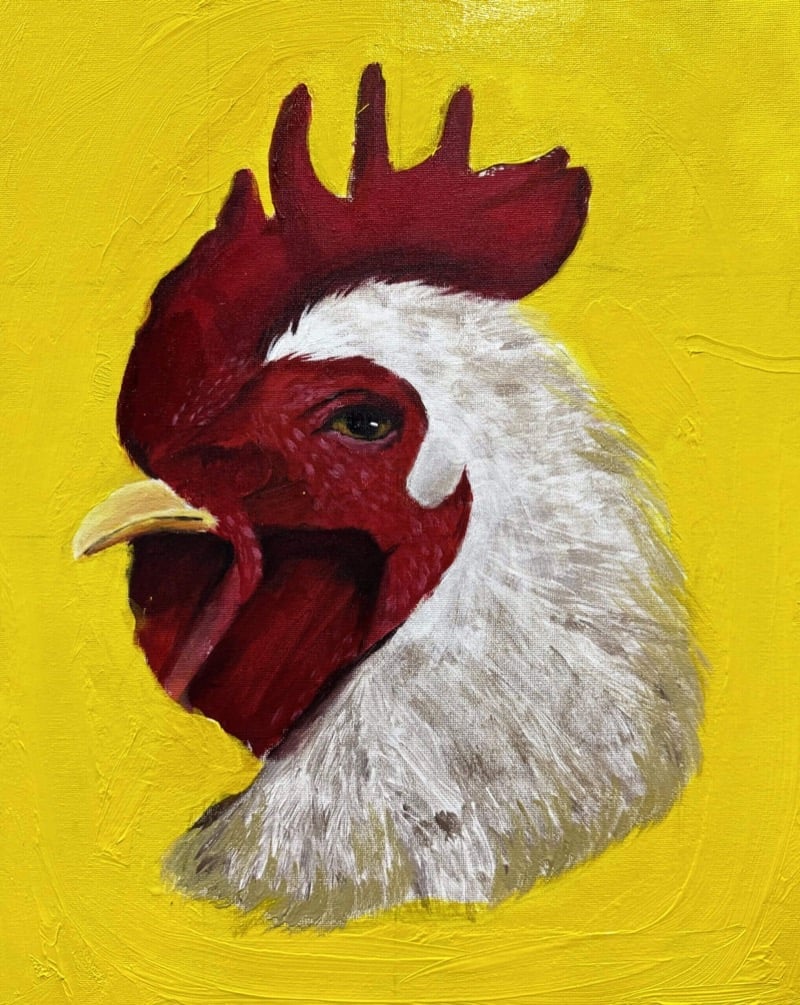
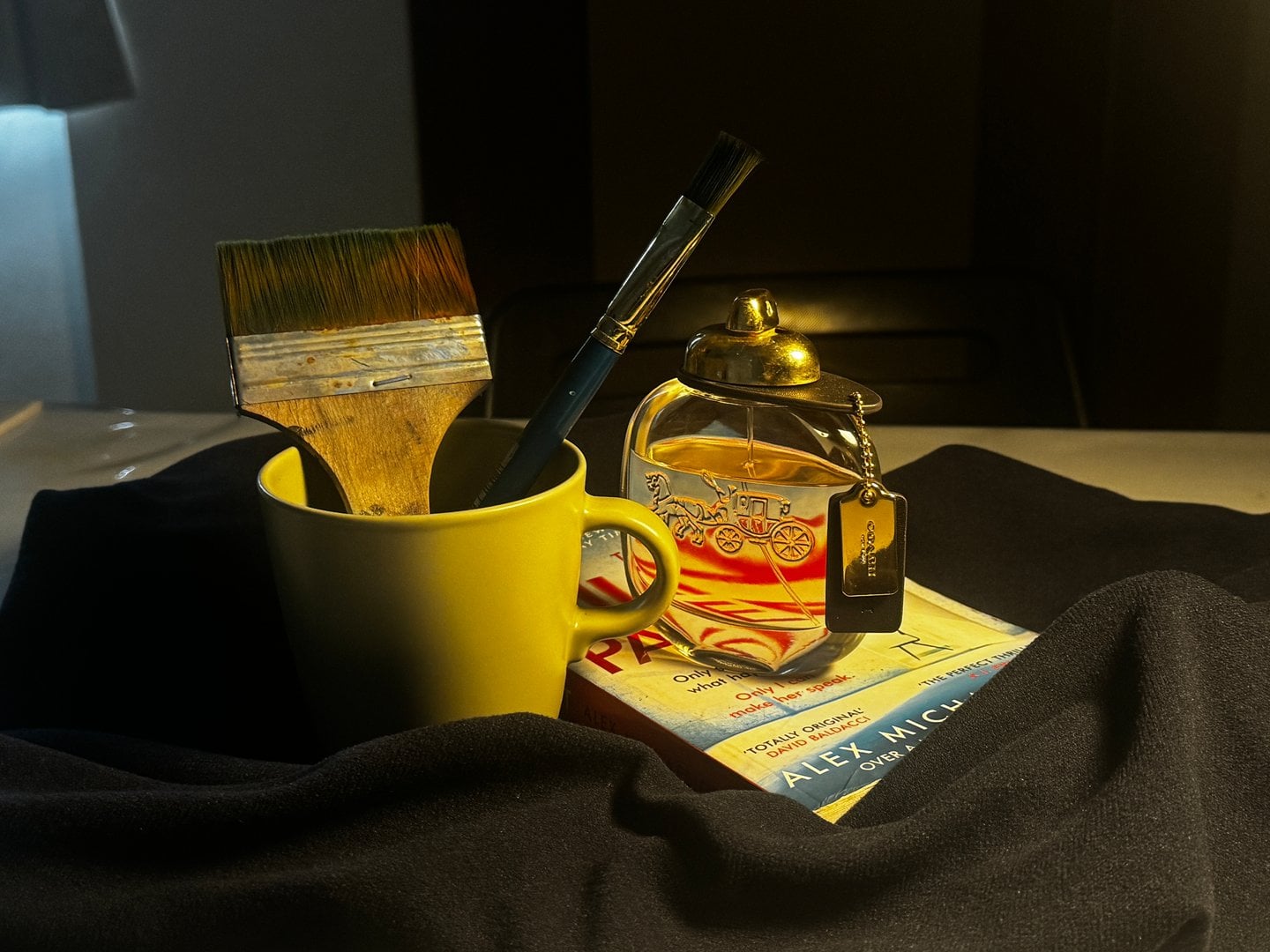
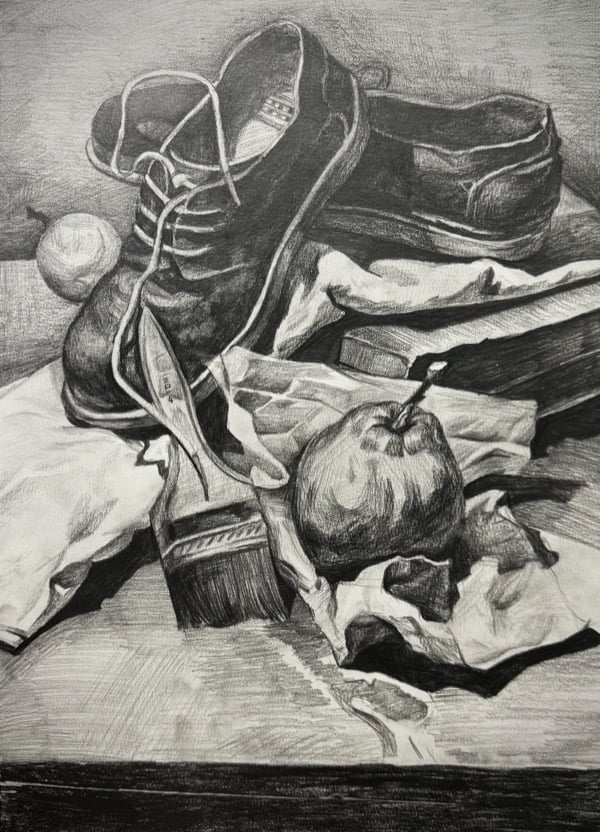
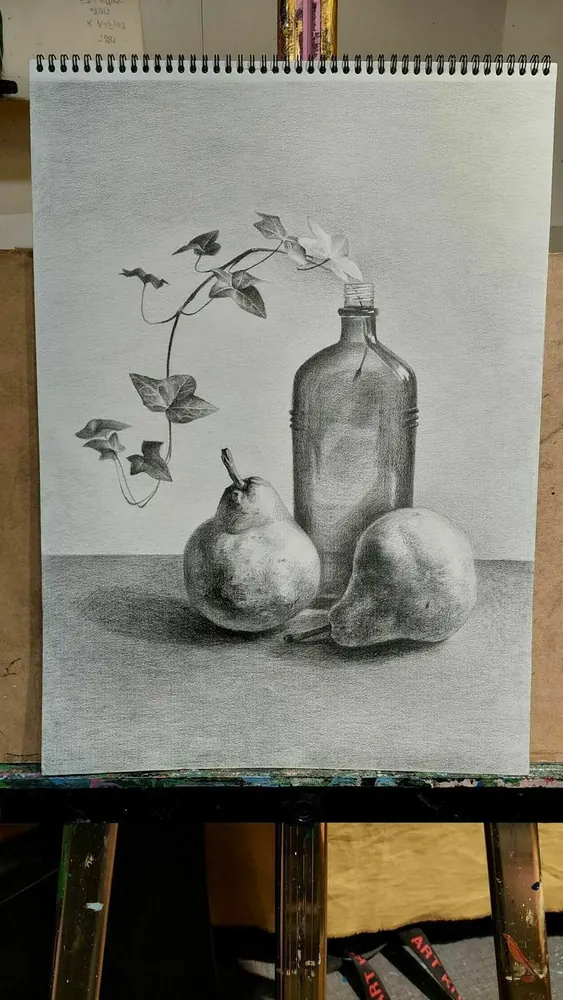
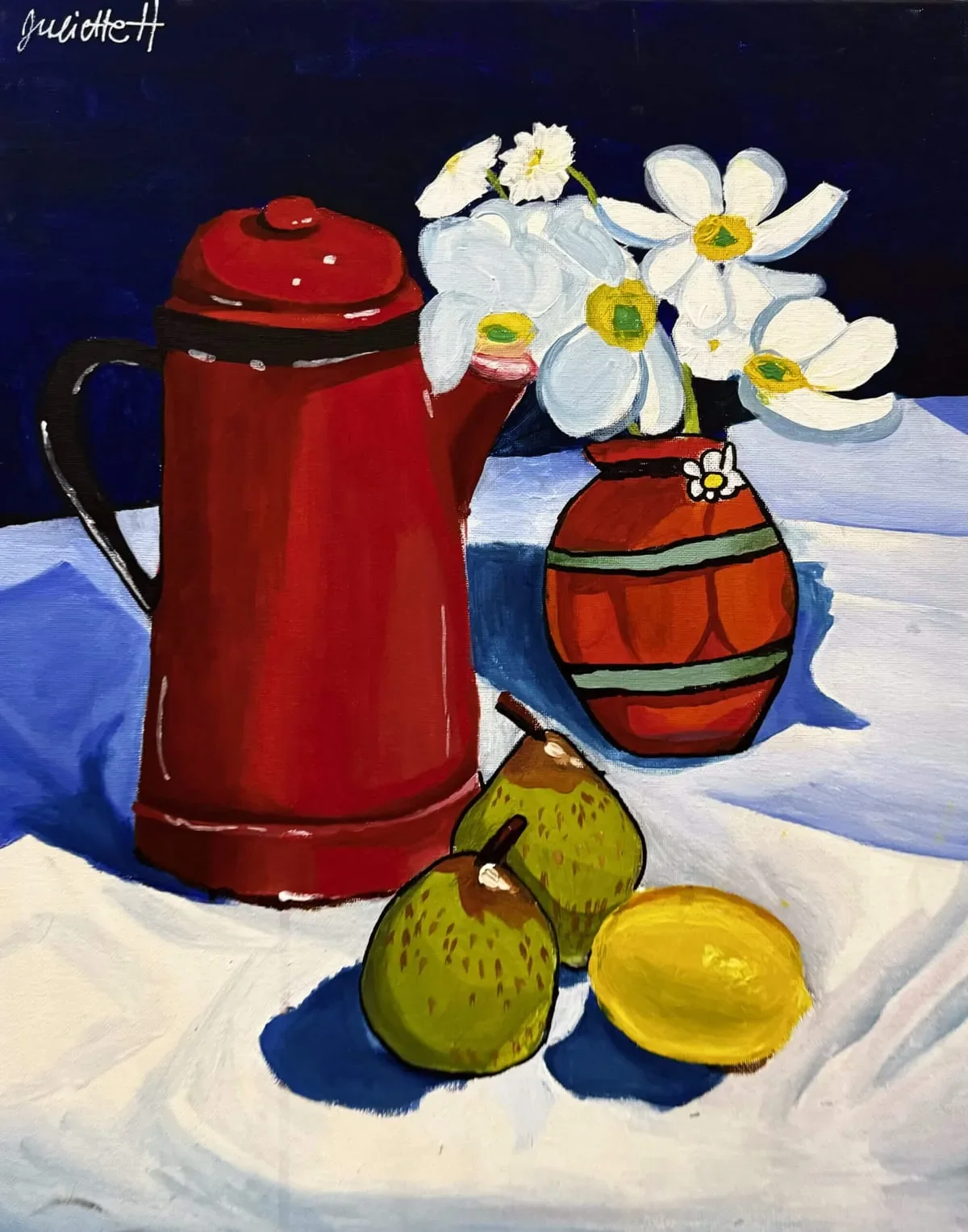
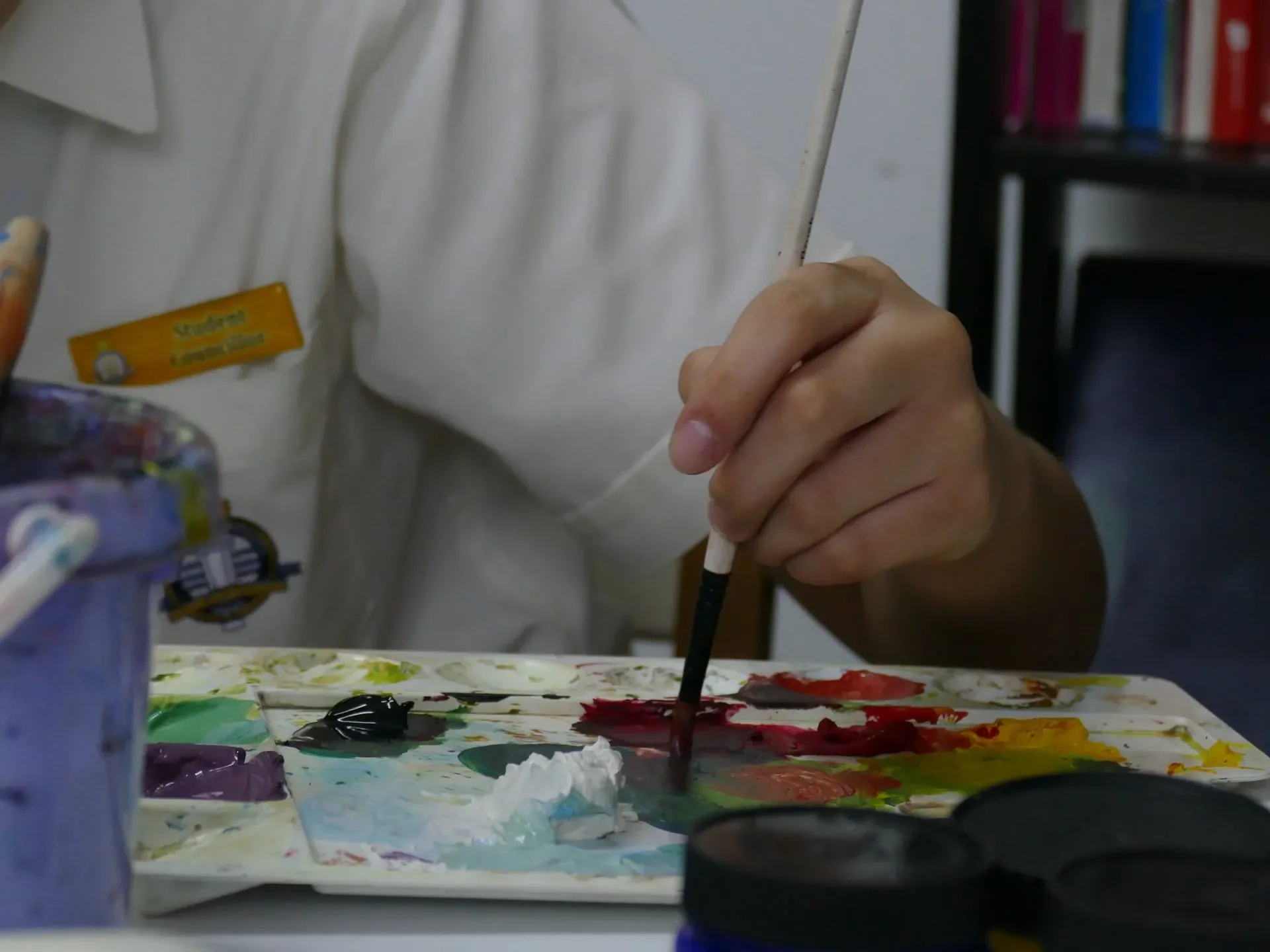
A strong DSA-Sec or DSA-JC art portfolio typically contains 8-12 pieces showing range across mediums (drawing, painting, mixed media), subject matter (still life, portrait, observational), and process work (sketches, studies). Schools assess technical skill, creative thinking, and personal voice — present the strongest work first. Different schools weight different qualities: the 7 MOE-designated AEP secondary schools (Bukit Panjang Govt High, CHIJ Sec (Toa Payoh), Hwa Chong Institution, Nanyang Girls' High, NJC, Victoria School, Zhonghua Sec) lean toward observational rigour and creative range, while School of the Arts (SOTA) selectors look for distinct artistic voice and conceptual confidence. Process-work sketchbook spreads matter as much as polished finals. The full guide covers piece-by-piece composition, sketchbook documentation, A2-mounted final-piece presentation, the artist statement format, and what to bring to portfolio interview rounds.

For the full guide → how to build a DSA art portfolio in Singapore
DSA-Sec vs DSA-JC differences

DSA-Sec applies to Primary 6 students seeking secondary admission (AEP schools, SOTA, etc.). DSA-JC applies to Sec 4 students seeking JC admission with art talent (NJC, HCI AEP, etc.). DSA-JC portfolios expect more conceptual depth and a clearer artistic direction than DSA-Sec. DSA-Sec timelines run May application through October acceptance for the following year's secondary intake; DSA-JC operates on a separate window after Sec 4 mid-year. DSA-Sec accepts up to 3 school choices; DSA-JC accepts up to 2 JC choices. Acceptance is binding in both — students cannot transfer based on PSLE/O-Level results once a DSA offer is accepted. The full guide covers JC-specific portfolio expectations, how artistic direction is evaluated at Sec-to-JC transition, and how DSA-JC interacts with H2 Art subject pathways.

For the full guide → DSA-JC art portfolio guide for junior college applicants

DSA art portfolio submission timeline (typical)
PhaseWindowWhat happens
ApplicationMay-JuneSchools open DSA portal; submit portfolio + application form
SelectionJuly-AugustSelection trials, interviews, portfolio review
OffersSeptemberConfirmed offers issued
AcceptanceOctober-NovemberStudents decide which offer to accept

8 portfolio pieces every DSA art submission needs

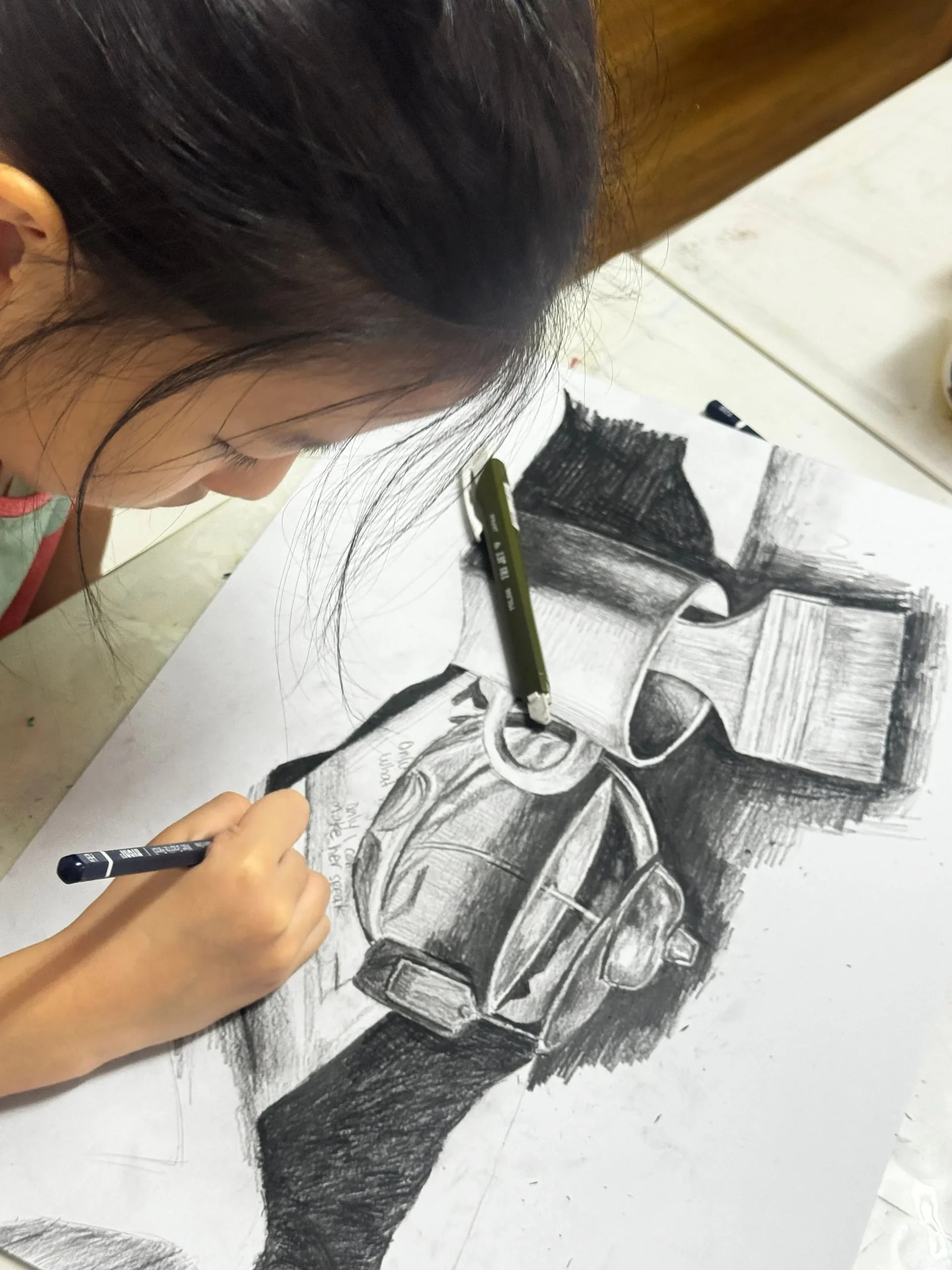
  1. 2-3 observational drawings (still life, portrait, or interior)
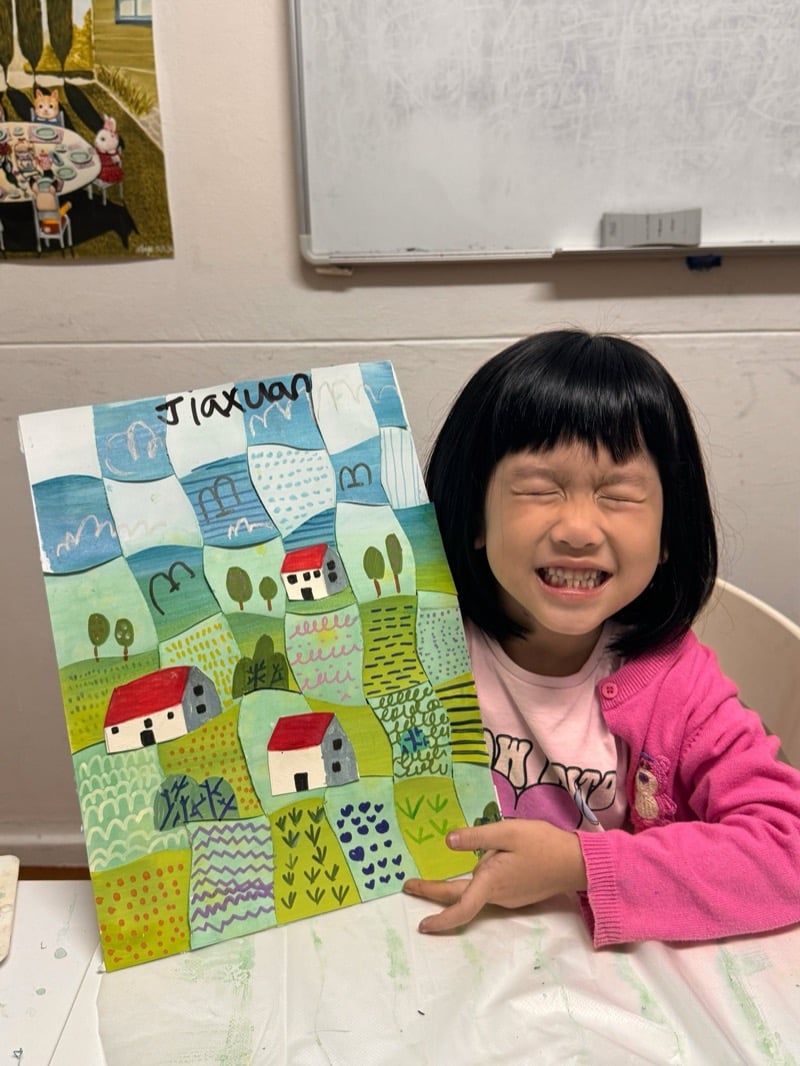
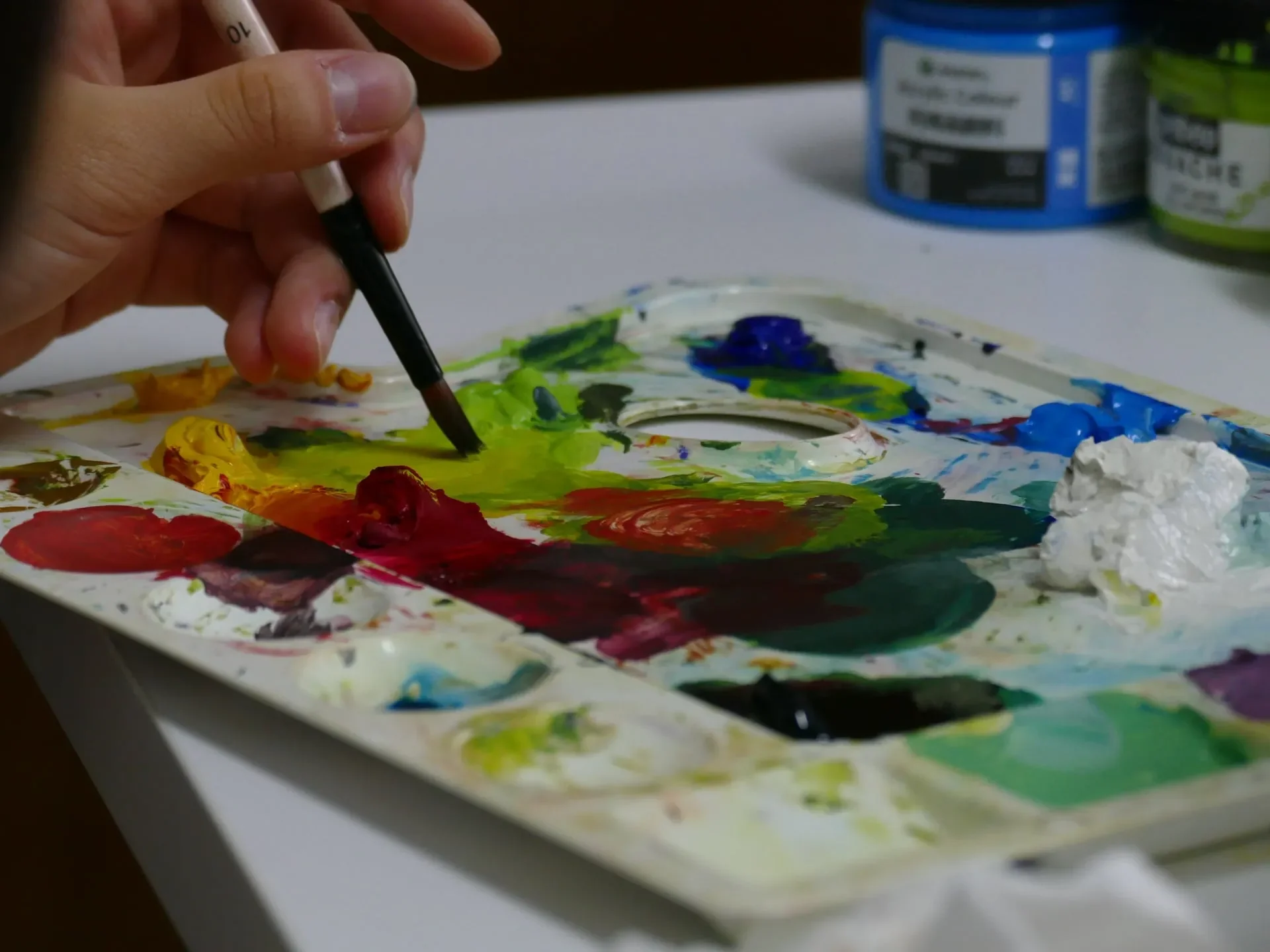
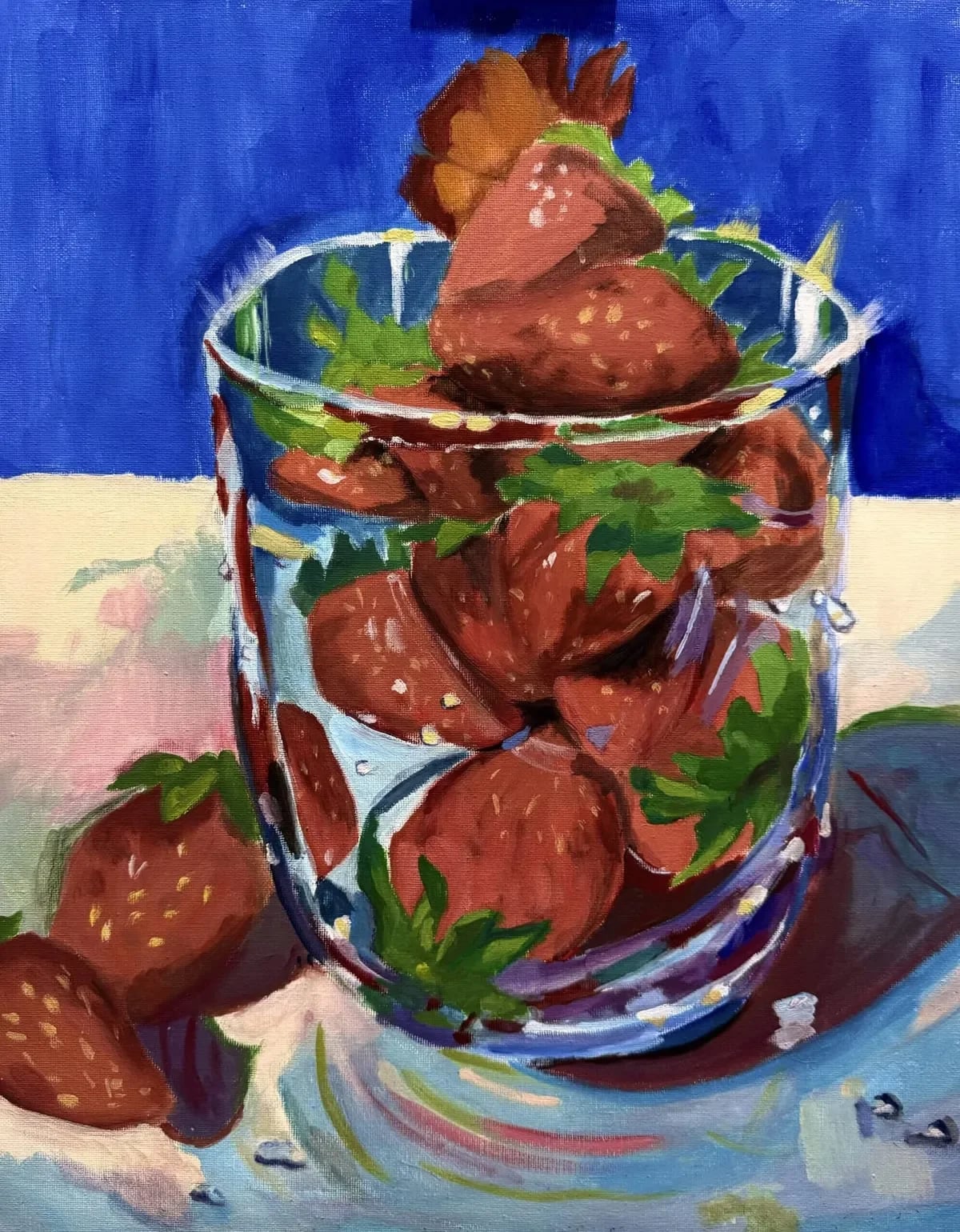
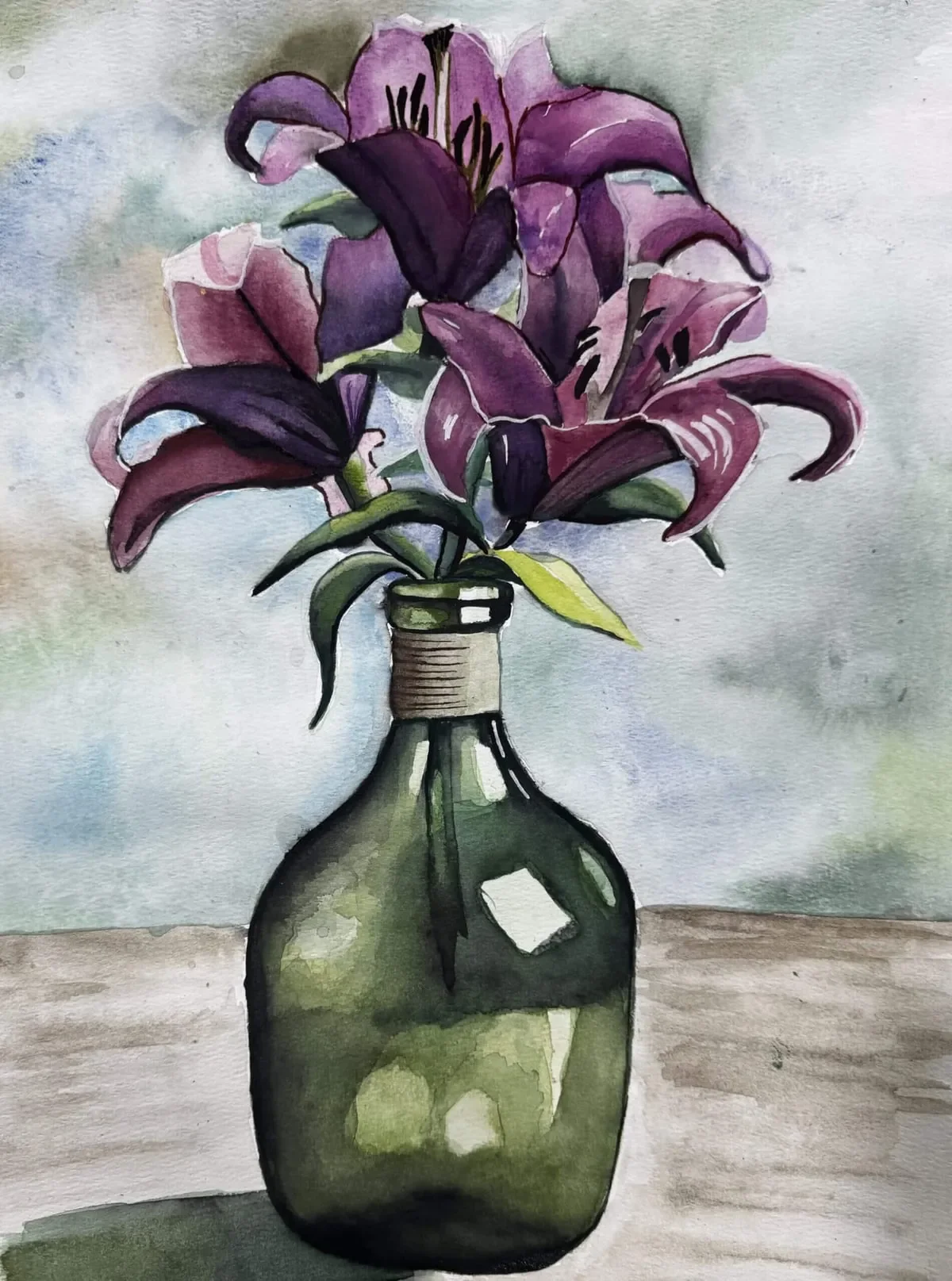
  2. 1-2 colour studies (watercolour, gouache, or acrylic)
  3. 1 mixed-media or experimental piece showing material exploration
  4. 1 sketchbook spread or process work demonstrating ideation
  5. 1 personal-voice piece reflecting your unique perspective
  6. 1 large finished piece (A2 or larger) demonstrating technical control
  7. 1 photograph or digital piece (if applying to schools that accept it)
  8. 1 short artist statement (50-100 words) explaining your portfolio

Articles

DSA (Direct School Admission) (27 articles)

Related Topics

Frequently Asked Questions