
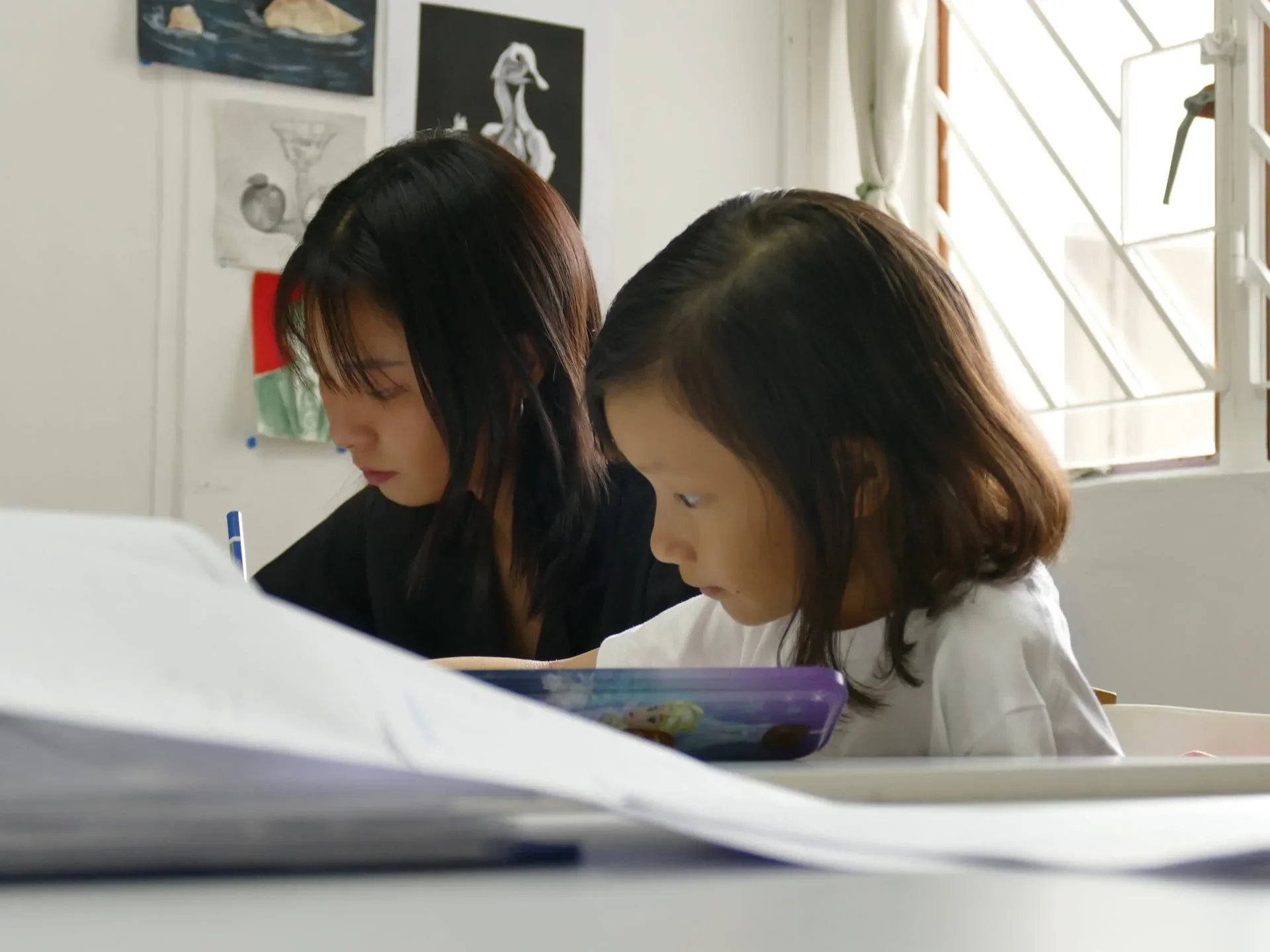
Holiday programmes in Woodlands give students an opportunity to address academic gaps, build ahead for the next term, or enjoy a different learning experience — the key is choosing a programme that matches your child's actual needs, not just filling time. At Ancourage Academy Vista Point, we offer targeted holiday workshops that focus on specific skill gaps rather than generic revision of everything.
As educators who work with Woodlands students year-round, the Ancourage Academy teaching team knows which topics cause the most difficulty at each level and designs holiday programmes to address exactly those areas. In our experience, students who keep up light academic engagement over a break return with less ground to make up than those who stop entirely — while still getting the mental reset a holiday is for.
Singapore School Holiday Calendar and Planning
Singapore schools have four holiday periods: about a week in March and another in September, best used for focused revision on specific weak areas; four weeks in June for major revision, building ahead and enrichment; and six weeks in November-December for rest and preparing for the next school year.
| Holiday Period | Duration | Best Use |
|---|---|---|
| March (Term 1 break) | ~1 week | Fill gaps from Term 1 before Term 2's weighted assessment (P3 and above) |
| June (Mid-year) | 4 weeks | Major revision, build ahead, enrichment programmes |
| September (Term 3 break) | ~1 week | Final push before the End-of-Year Examinations |
| November-December | 6 weeks | Prepare for next year, enrichment, rest |
The MOE publishes the official school calendar each year. The June and November-December holidays are long enough for meaningful programmes. The shorter March and September breaks are better used for focused revision workshops targeting specific weak areas.
Ancourage Academy at Woodlands Vista Point runs targeted holiday workshops for Primary and Secondary students across Mathematics, English, Science, and Chinese — book a trial class (usually $18) to identify your child's specific gaps before the holidays.
At our Woodlands studio, the Holiday Art Camp runs in every MOE school holiday — March, June, September, and the year-end break — with themed sessions in Creative Keepsakes, Portrait Magic, and Nature Creations, as full-day camps or flexible lesson packages. Current dates for each season are published on the camp page. See the artwork themes for Woodlands →
Types of Holiday Programmes in Woodlands
Not all holiday programmes serve the same purpose — understanding the difference between revision workshops, enrichment camps, and structured self-study helps you invest in the right option.
- Academic revision workshops: Intensive sessions targeting specific topics or exam components. Best for students with identifiable gaps (for example, PSLE heuristics, O-Level A-Maths techniques). Ancourage Academy runs focused workshops during major holidays
- Enrichment camps: Creative, exploratory programmes in art, coding, sports, or science. Best for broadening interests and developing non-academic skills. Our art workshops offer creative enrichment for children who want a break from pure academics
- Assessment book self-study: Low-cost option where students work through curated practice papers independently. Best for disciplined students who need practice, not teaching
- Crash courses: Intensive programmes covering large amounts of content in a short time. Can be effective for students who are already strong but want exam technique polish. Not ideal for students with foundational gaps
June Holiday: The Most Important Break
The four-week June holiday is the best opportunity to make a real academic impact — it is long enough to address fundamental gaps while short enough to maintain momentum.
How to use the June holiday effectively for Woodlands students:
For Primary Students (P3-P6)
- Week 1: Rest and light review. Let your child decompress from a full term before structured work begins
- Week 2-3: Targeted revision on weak topics identified from Term 1 and Term 2 results. Focus on 2-3 specific areas rather than trying to revise everything. Attend holiday workshops if available
- Week 4: Build ahead by previewing one or two new topics for Term 3. This gives your child a head start when school resumes
For P6 PSLE Students
- Week 1: Analyse the Term 1 and Term 2 results with your child and tutor to identify priority areas
- Week 2-3: Intensive work on weak heuristics (PSLE Maths), composition techniques (PSLE Chinese), or comprehension strategies (PSLE English)
- Week 4: Timed full paper practice to build exam stamina and time management skills
For Secondary Students
- Sec 1-2: Use holidays to consolidate foundational topics. Gaps in Sec 1-2 create serious problems in Sec 3-4
- Sec 3: Critical transition year. Use June to get ahead in A-Maths (if taking — our secondary A-Maths tuition track previews Sec 3 topics over the break) and Pure Sciences
- Sec 4: Intensive O-Level preparation (the SEC examination replaces O-Levels from 2027, though the paper standard remains equivalent). Focus on past paper practice and Chinese exam technique refinement
November-December: Preparing for the Next Year
The six-week year-end holiday is best used for rest, enrichment, and a structured preview of the coming year's curriculum — not grinding through the entire next year's syllabus.
- First 2-3 weeks: Rest and non-academic activities. Burnout from year-end exams is real, and tired students do not learn effectively
- Next 2 weeks: Light preview of key topics for the new year. For example, P5 students previewing fractions and ratios; Sec 2 students previewing algebraic concepts they will encounter in Sec 3
- Last week: Organise school supplies, review any holiday assignments, and mentally prepare for the new term
Avoid the temptation to start the next year's content intensively during November-December. Students need rest to be effective learners when school resumes.
Art and Creative Holiday Programmes
Academic revision is important, but school holidays are also a chance for creative exploration that builds confidence, fine motor skills, and lateral thinking — skills that support academic performance indirectly.
At Art by Ancourage, our holiday programmes offer:
- Crafty Corner (ages 3-5): Sensory-rich art activities that develop creativity and motor skills
- Mini Masters (ages 6-8): Guided art projects introducing different techniques and materials
- Explorative Art (ages 9+): More advanced techniques including painting, mixed media, and creative expression
- DSA Portfolio Preparation: For students considering DSA through art, holiday workshops provide focused portfolio development time
A balanced holiday schedule that includes both academic revision and creative activities keeps students engaged without burning out. Read our guide to why art education matters for the research behind this approach.
How to Choose the Right Holiday Programme
The right holiday programme depends on three factors: your child's specific gaps, the programme's focus, and the format — a mismatch in any of these wastes time and money.
Decision framework:
- Identify the gap: Look at your child's most recent exam results. Which subjects and topics need the most work? If you are unsure, ask their school teacher or bring them for a diagnostic assessment
- Match the format: Does your child need teaching (conceptual gaps) or practice (knows the concepts but lacks fluency)? Teaching needs small group workshops; practice can be done with assessment books at home
- Check the quality: Who is teaching the programme? An experienced subject specialist produces better results in 5 days than a general tutor produces in 20. Ask about the instructor's background
- Avoid overscheduling: Students need downtime during holidays. Back-to-back academic programmes from 9am to 6pm every day cause fatigue, not learning
March and September Short Holidays
The one-week March and September school breaks are too short for comprehensive revision but ideal for targeted work on one or two specific weak areas identified from recent term assessments.
How to use short holidays effectively:
- March break: Review the Term 1 Weighted Assessment (WA1) results and address the weakest topic area before Term 2 begins. One week of focused practice on a single topic (for example, fractions for a P5 student) produces measurable improvement without overwhelming the child
- September break: This is the final major break before year-end exams. Students from P3 upwards should use it for targeted revision rather than rest — the year-end exams are typically 4-6 weeks away
- P6 students: September break falls in the final PSLE preparation stretch. Use it for full-paper timed practice in the weakest subjects, not general revision. Check the SEAB PSLE website for exam dates and formats
- Secondary students: O-Level candidates should focus September break on structured past-paper revision. The MOE secondary education page has resources on exam formats and syllabuses
At Ancourage Academy Woodlands, we offer short-break workshops targeted at the specific topics causing the most difficulty at each level. These are separate from our regular weekly classes. Contact us ahead of the holiday to enquire about availability, or WhatsApp us with any questions. See our affordable tuition guide for pricing context.
Common Questions About Holiday Programmes
These are the questions Woodlands parents ask most when planning their child's academic schedule during school breaks.
When should I sign up for holiday programmes?
Popular programmes fill up quickly, especially for June holidays. Enquire 4-6 weeks before the holiday period begins. At Ancourage Academy, we announce holiday workshop schedules on our website and to existing parents first — contact us early to secure your preferred slots.
How many hours per day is too much for holiday revision?
For primary students, 2-3 hours of focused academic work per day is the practical limit. For secondary students, 3-4 hours is manageable. Beyond this, diminishing returns set in and students lose concentration. A 2-hour intensive workshop plus 1 hour of self-study is more effective than 5 hours of passive revision.
Should my child continue regular tuition during holidays?
If your child is enrolled in weekly tuition and showing improvement, maintaining the regular schedule during holidays keeps momentum going. Some students shift to holiday workshop format for a change of pace while covering similar content. Discuss with your tutor what approach best suits your child's current progress.
Are holiday crash courses effective for PSLE preparation?
Crash courses are most effective for students who already have strong foundations and need exam technique refinement — pacing, presentation, and time-management drills are where a borderline student has the most to gain in a short run. For students with significant conceptual gaps, crash courses provide surface-level coverage that does not stick once unfamiliar question variants appear in the actual paper. If your child has major gaps in heuristics, comprehension inference, or science open-ended reasoning, invest in sustained weekly preparation starting in P5 rather than relying on a P6 holiday crash course. Our guide to tuition in Woodlands explains what sustained small-group support looks like in practice for North Singapore families.
Related: June Holiday Art Camp Themes 2026 · School-Break Art Programmes · Affordable Tuition in Woodlands · Woodlands Education Options · About Our Woodlands Centre · Gifted Education Programme (GEP) guide · Holiday Programmes in Bishan