English

English Language in Singapore's education system covers writing, comprehension, oral communication, and language use across Primary and Secondary levels. Our 35+ articles provide targeted strategies for composition writing, comprehension answering techniques, oral examination preparation, and grammar mastery for PSLE and O-Level / SEC.

Content verified Q2 2026· Based on current MOE/SEAB syllabus

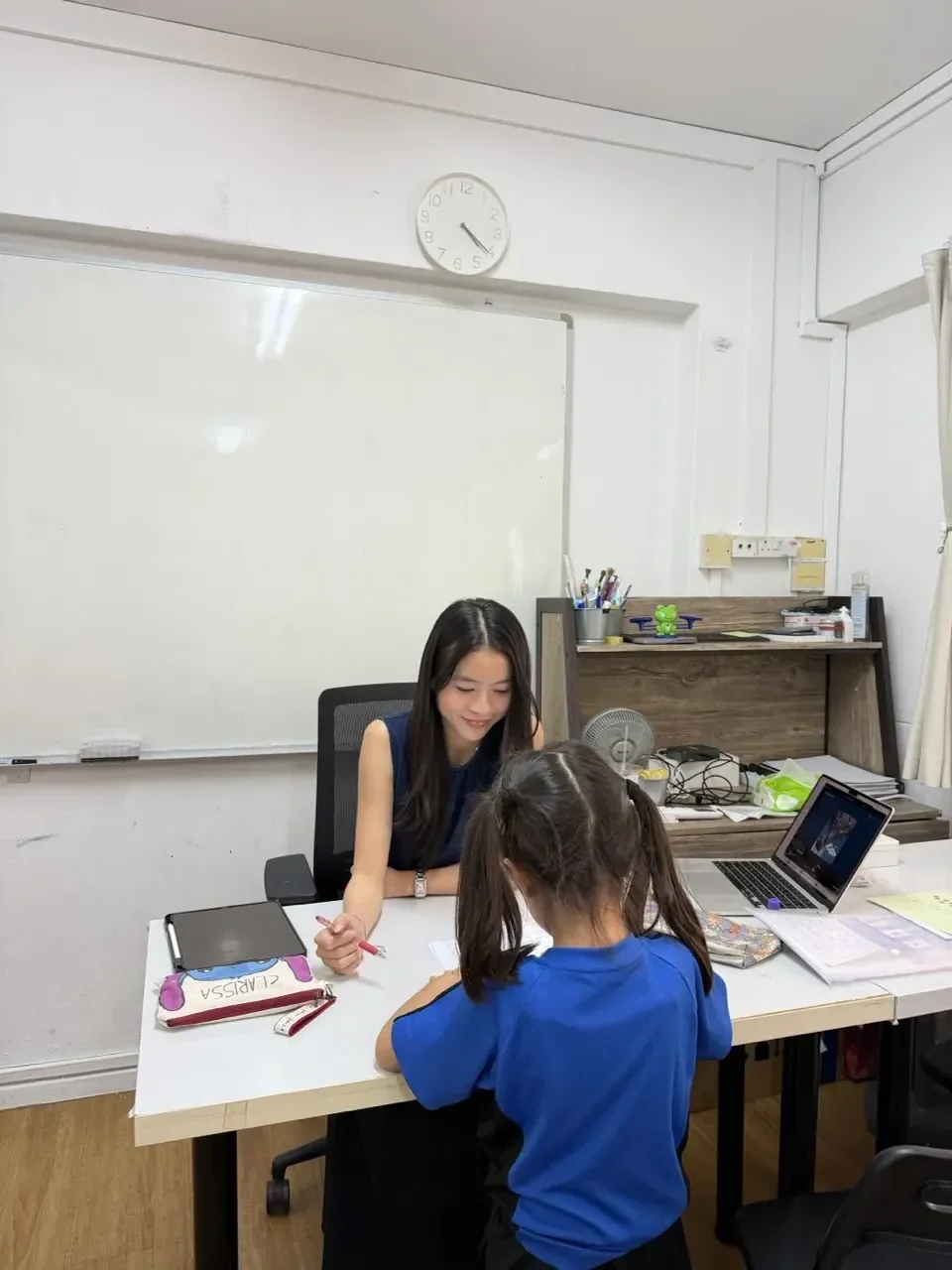
Parents often tell me their child "just isn't good at English." But in seven years of teaching, I've seen that reading widely and practising composition planning consistently makes a bigger difference than any amount of assessment books. I start every student with a reading habit — once they enjoy stories, the vocabulary and sentence structures follow naturally.

Charmaine — educator at Ancourage Academy
Charmaine

Early Childhood & Primary Education Specialist, Ancourage Academy

SUSS · Early Childhood Specialist

5from 69 Google Reviews
MOE-Registered Centre
11+ Years Experience
Bishan & Woodlands
English key statistics
MetricValue
Articles in this hub(Ancourage Academy content library)35+
Examination components(SEAB PSLE and O-Level English syllabuses)4 papers per level
Levels covered(MOE English Language curriculum)Primary and Secondary

About English

English Language is a compulsory subject at every level of Singapore's education system and serves as the medium of instruction for all other subjects. Performing well in English is therefore critical not only for the English examination itself but for a student's overall academic success.

The MOE English Language syllabus emphasises four key areas: writing, reading comprehension, oral communication, and language use (grammar and vocabulary). At both PSLE and O-Level, each of these components carries significant weightage and requires specific strategies to score well.

  • Composition writing: Our 35+ articles include guides on narrative, descriptive, and argumentative writing — covering planning techniques, vocabulary enrichment, and common pitfalls that cost students marks.
  • Comprehension skills: From inferential questioning at Primary level to summary writing at O-Level, each article breaks down the answering techniques examiners expect.
  • Oral and listening: Often overlooked in revision, oral communication and listening comprehension together account for a meaningful portion of the total English grade. Our articles cover preparation strategies for both.

Whether your child struggles with composition ideas, loses marks on comprehension inference questions, or needs confidence for the oral examination, this hub provides practical, classroom-tested advice.

How to write a strong PSLE composition

PSLE composition is marked on content (storyline, originality), language (vocabulary, grammar, structure), and visual stimulus interpretation. Strong compositions show plot complications and character development — not just descriptions. Plan for 5 minutes before writing; spend 35 minutes drafting; reserve 5 minutes for proofreading. Markers reward genuine narrative craft: a hook opening, a clear conflict, sensory description with restraint, dialogue that advances plot, and a satisfying resolution that ties back to the visual stimulus. Stock-formula compositions ("It was a beautiful sunny day...") signal weak engagement and cap marks at average. The full guide covers paragraph structuring with the show-don't-tell principle, visual-stimulus interpretation techniques, vocabulary upgrade lists for common situations, the 4-point opening hook framework, and how to plan a complete narrative arc in five minutes under exam pressure.

For the full guide → PSLE English composition guide for Singapore students

PSLE comprehension — mastering inference questions

Inference questions are where average students lose 10-20 marks against AL1-AL3 students. The trick is two-step reasoning: (1) what does the passage actually say (literal); (2) what does that imply (inference). Always quote a specific phrase from the passage in your answer to anchor the inference in evidence. Visual-text questions and open-ended questions (OEQ) reward similar precision — markers want a specific textual anchor plus a single inferred conclusion, not vague feelings about the passage. The 6-mark vocabulary-in-context questions trip students who paraphrase loosely; the safe move is to substitute the dictionary meaning into the original sentence and check it still reads naturally. The full guide covers inference question types (character motivation, theme, irony), the evidence-then-inference answer template, OEQ structure, and the visual-text reading order that catches the easiest marks first.

For the full guide → PSLE English comprehension — inference, OEQ, and visual text strategy

PSLE vs O-Level / SEC English paper structure
ComponentPSLEO-Level / SEC
CompositionPicture-stimulus narrative (~150 words)Argumentative or narrative essay (~350-500 words)
ComprehensionMCQ + short answer + inferenceSummary + open-ended + visual text analysis
OralReading + picture conversationReading + spoken interaction (stimulus-based)
ListeningAudio-clip MCQAudio-clip MCQ + note-taking

5 vocabulary-building strategies for Primary and Secondary

  1. Read 30 minutes daily — fiction (for narrative vocab) + non-fiction (for argumentative vocab)
  2. Keep a vocabulary log — record new words with meaning and a personal example sentence
  3. Use word-family expansion — learn the noun, verb, adjective, and adverb forms together
  4. Test yourself weekly with old vocabulary — active recall beats passive re-reading
  5. Apply new words in writing within 7 days — usage cements memory better than re-reading
Articles

Essential Guides (7 articles)

Primary (22 articles)

Secondary (11 articles)

JC (1 article)

Related Topics

Frequently Asked Questions