Chinese

Chinese language education in Singapore covers Standard Chinese (CL) and Higher Chinese (HCL) from Primary through Secondary levels. Our 29+ articles address the unique challenges of learning Chinese in an English-dominant environment, including composition strategies, oral preparation, and comprehension techniques for PSLE and O-Level / SEC.

Content verified Q2 2026· Based on current MOE/SEAB syllabus

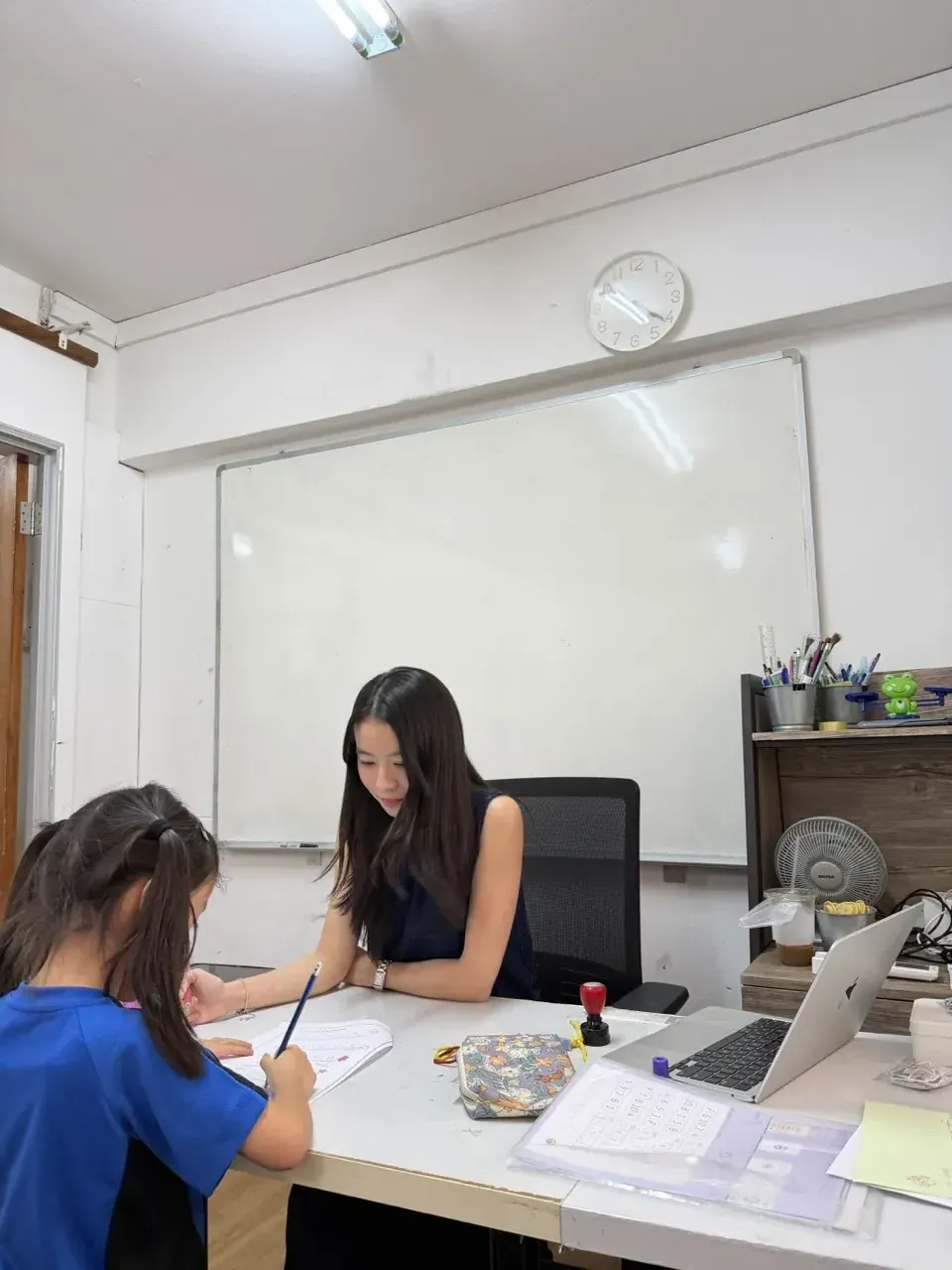
As someone who speaks four languages, I understand how intimidating Chinese can feel for students in English-speaking homes. In my classes, I use visual and creative approaches — drawing vocabulary, storytelling through art — to make the language come alive. When students connect Chinese to something they enjoy, the anxiety fades and the progress starts.

Angie — educator at Ancourage Academy
Angie

Founder & Art Programmes Lead, Ancourage Academy

LASALLE Fine Arts · DSA Portfolio Specialist

5from 69 Google Reviews
MOE-Registered Centre
11+ Years Experience
Bishan & Woodlands
Chinese key statistics
MetricValue
Articles in this hub(Ancourage Academy content library)29+
HCL posting advantage(MOE Sec 1 posting)SAP school tie-breaker (PSLE ≤14)
Examination variants(SEAB Chinese Language syllabuses)CL, HCL, CLB

About Chinese

Chinese Language is a compulsory Mother Tongue subject for most Chinese Singaporean students, and it presents a distinct set of challenges compared to other subjects. Many students grow up in English-speaking households, making Chinese feel like a "second language" despite its Mother Tongue classification.

The MOE Chinese Language curriculum spans Standard Chinese (CL) and the more demanding Higher Chinese (HCL). Students who score well in HCL at PSLE may qualify for a posting advantage to Special Assistance Plan (SAP) schools, making it a strategic consideration for many families.

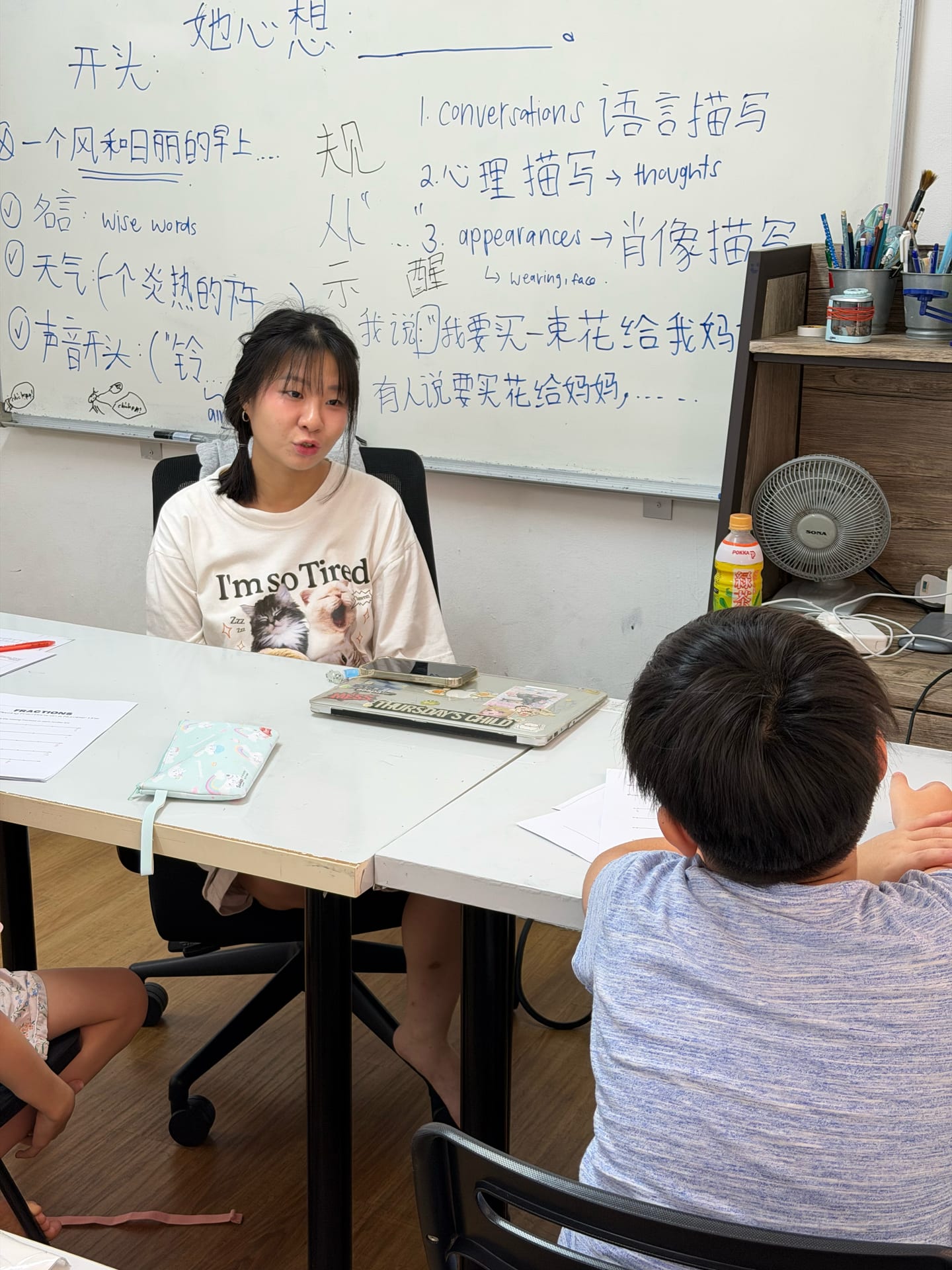
  • 29+ practical articles: Our guides cover composition writing (记叙文, 议论文), oral examination techniques, comprehension answering strategies, and vocabulary building methods — all tailored to Singapore's syllabus.
  • English-dominant family support: Several articles specifically address how families who primarily speak English at home can still create an effective Chinese learning environment through reading programmes, media exposure, and daily conversation habits.
  • Exam-specific strategies: Chinese examinations have unique question types, including 综合填空 (cloze passage) and 阅读理解 (reading comprehension), that require targeted practice beyond general language proficiency.

Whether your child finds Chinese challenging or is aiming for an A in Higher Chinese, this hub provides the guidance and strategies to build confidence and improve results.

Higher Chinese vs Standard Chinese — which to take

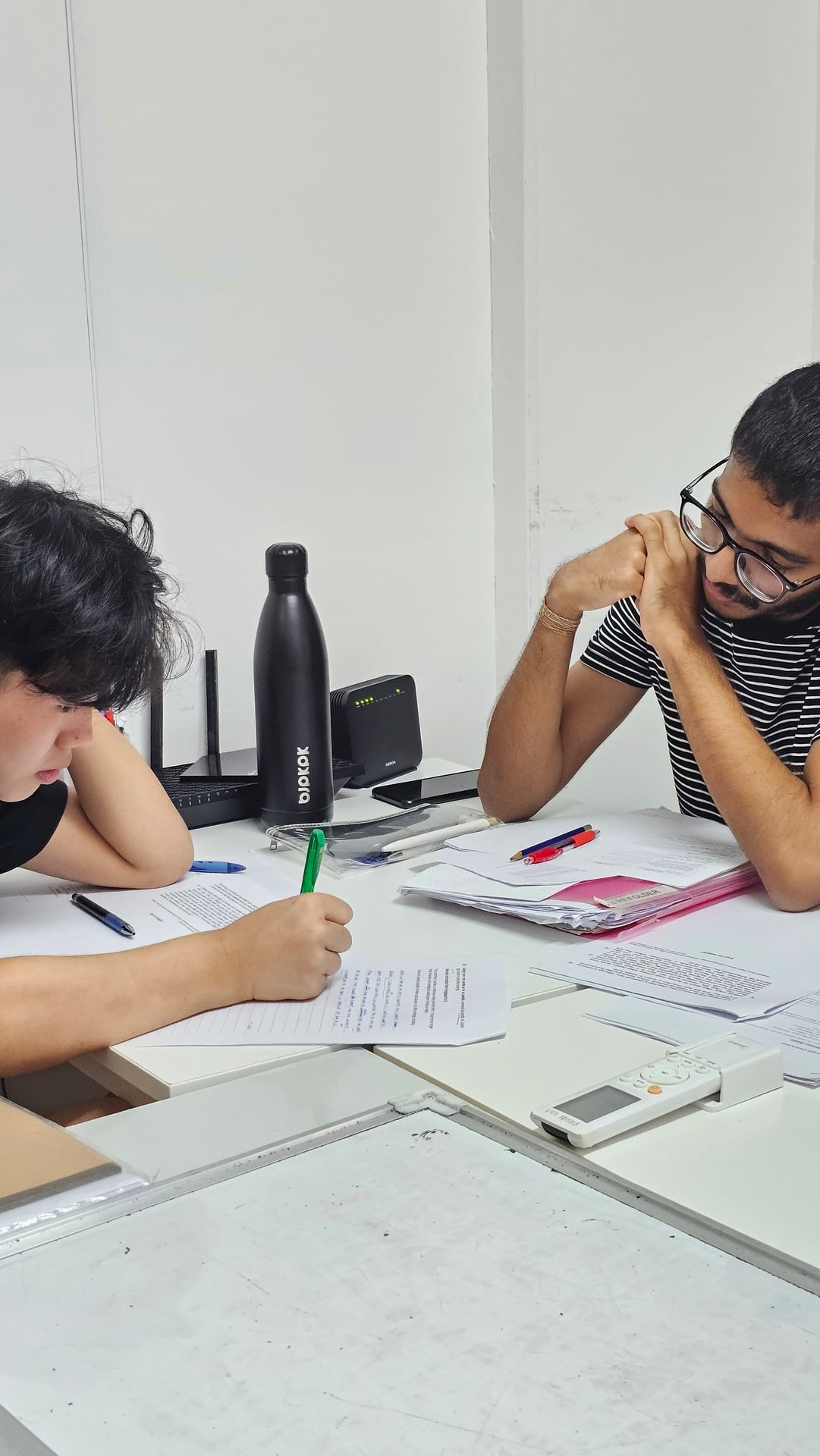
Higher Chinese (HCL) is offered at primary (P5-P6) and secondary (Sec 1-4) for students with strong Mandarin ability. PSLE HCL passes give a posting advantage to Special Assistance Plan (SAP) schools when the PSLE score is 14 or better (a tie-breaker, not a score deduction); a separate HCL O-Level pass gives a 2-point deduction off the L1R5 score for JC admission. Standard Chinese (CL) covers core MOE syllabus. Choosing HCL signals language strength to JC and university selectors. Eligibility for primary HCL typically requires a strong PSLE Chinese AL band or invitation by the school based on P3-P4 performance. At secondary, HCL adds about 30-40% more vocabulary and reading depth to the standard CL syllabus, with weekly contact time roughly 25% higher. Passing HCL at O-Level / SEC fulfils the Mother Tongue requirement for university with no need to retake H1 CL at JC. The full guide covers selection criteria, time-investment trade-offs, and the HCL benefit timeline from primary to JC.

For the full guide → Higher Chinese vs Standard Chinese decision guide
Supporting Chinese at home in English-speaking families

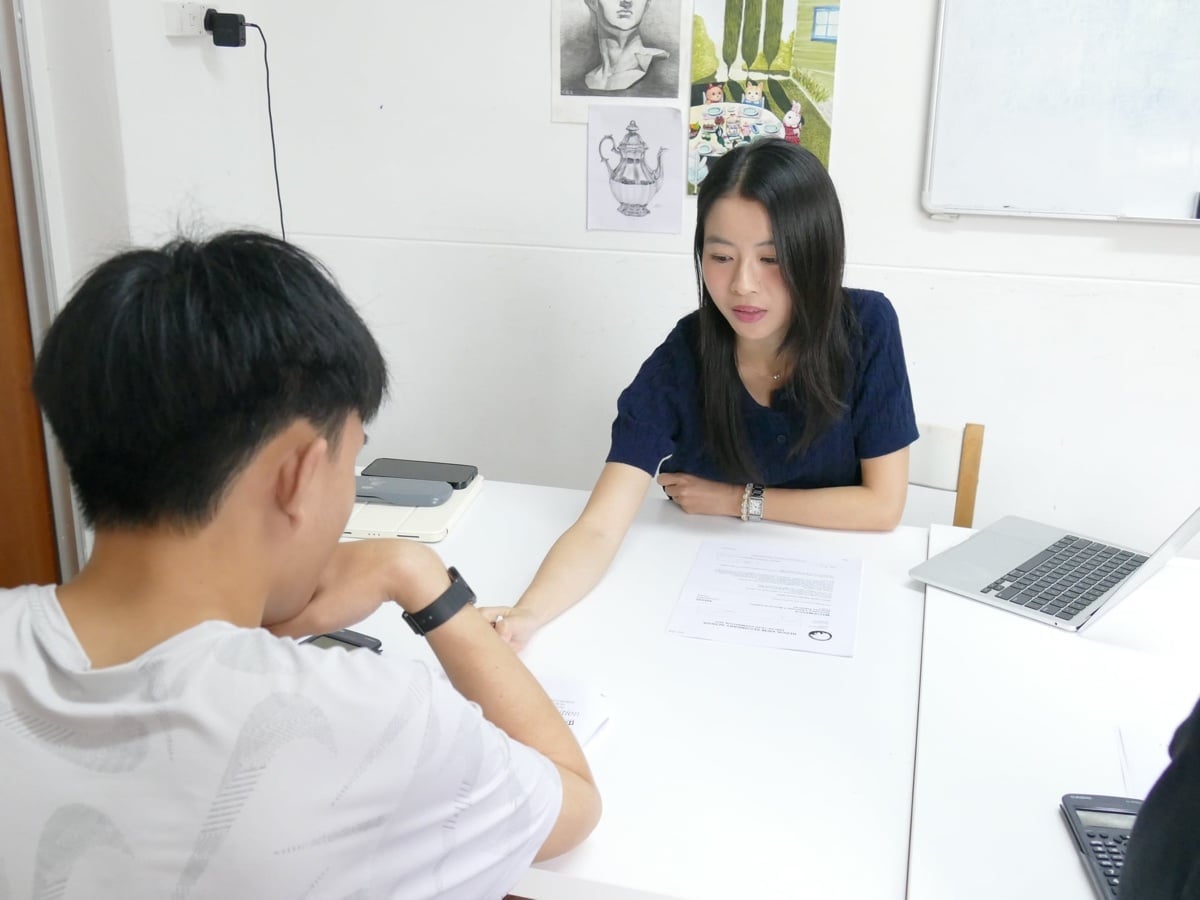
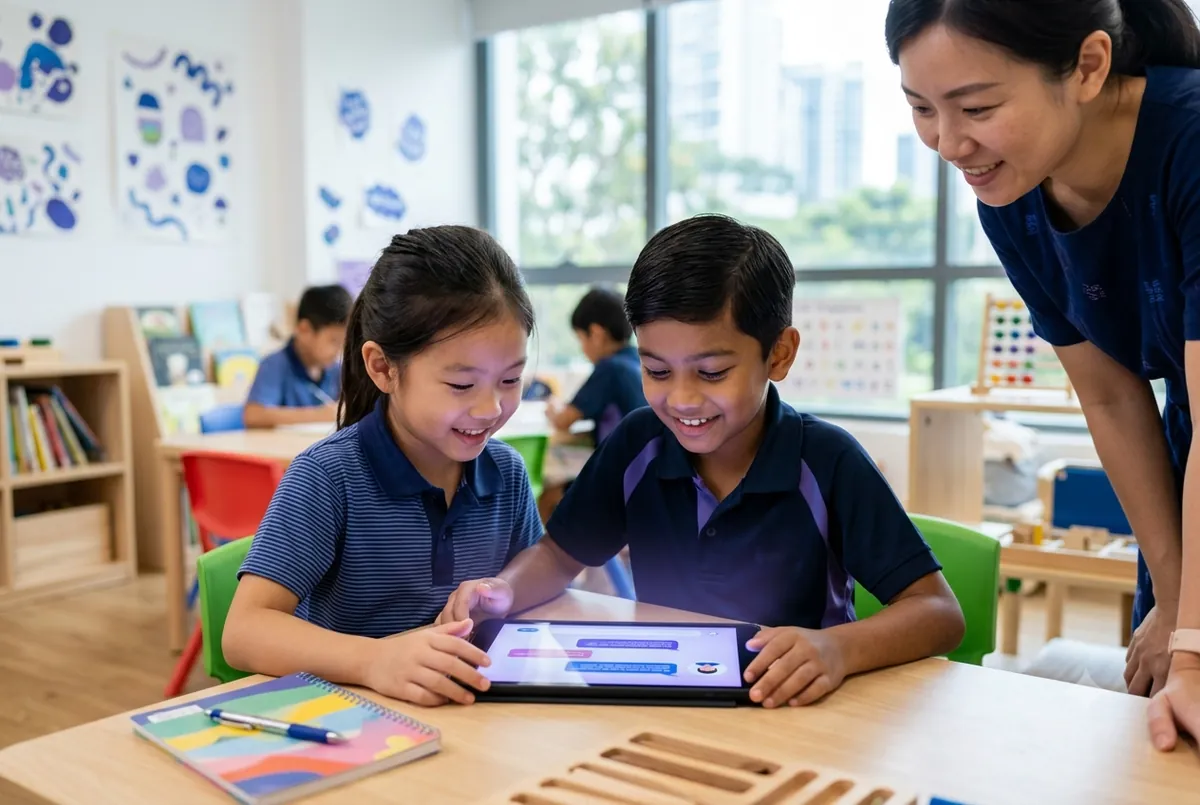
Children from English-speaking homes can excel in Chinese with daily small-dose exposure: 15 minutes of Chinese cartoons before bed, weekly conversation practice with grandparents, and reading 1 children's book per week. The key is consistency — small daily exposure beats sporadic intensive study. Vocabulary builds fastest through context — children who watch a Chinese cartoon then describe what happened reinforce both listening and speaking pathways simultaneously. Reading aloud (parent or child) strengthens character recognition more than silent reading at primary level. Avoiding the "homework-only" trap matters: children who experience Chinese only in academic contexts associate it with stress, while those who encounter it through play develop natural fluency. The full guide covers age-appropriate Chinese media, common pitfalls of intensive holiday tutoring, weekly habit frameworks, and how to handle teenage resistance when older children push back on continued Chinese study.
For the full guide → when teenagers struggle with Chinese in English-dominant families
Higher Chinese benefits across school stages
StageHCL benefit
Primary 5-6 (PSLE HCL)SAP school posting advantage (PSLE ≤14, tie-breaker before standard tie-breakers)
Secondary 1-4Stronger Mandarin foundation; eligibility for HCL O-Level / SEC
Sec → JC (O-Level HCL pass)L1R5 bonus (-2 points) for JC admission
Pre-University / UniversityHCL pass fulfils Mother Tongue requirement; no need for H1 CL retake at JC

5 Chinese-exposure habits for English-speaking homes

  1. Watch 15 minutes of Chinese cartoons or shows daily (no English subtitles)
  2. Read 1 Chinese children's book per week — start with picture books, build to chapter books
  3. Schedule weekly conversation practice with grandparents or relatives
  4. Label household objects with Chinese characters (fridge, door, table) for ambient learning
  5. Sing Chinese nursery rhymes or songs daily — rhythm aids character recall

Articles

Essential Guides (7 articles)

Primary (17 articles)

Secondary (9 articles)

General (1 article)

Related Topics

Frequently Asked Questions