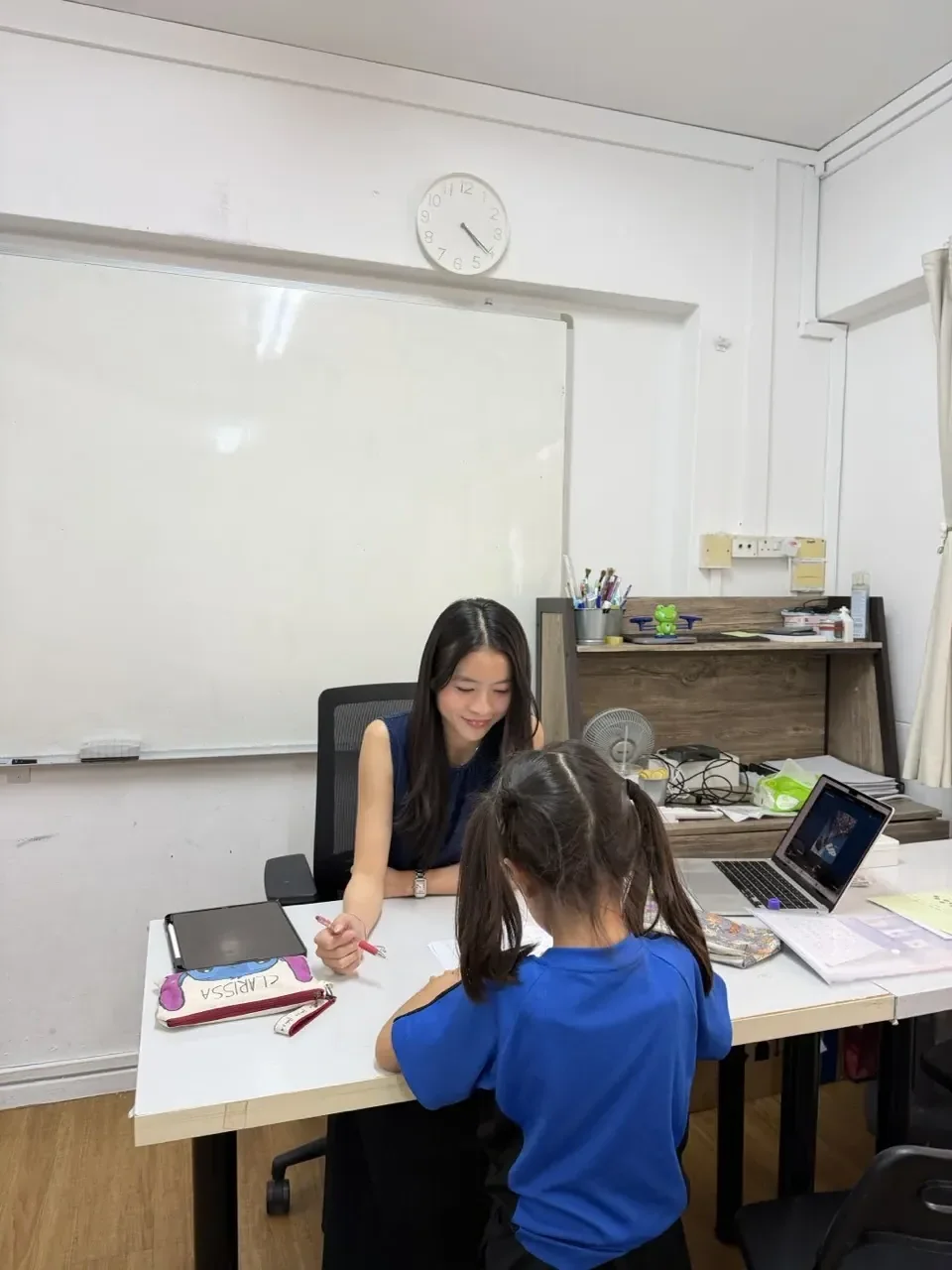
IB Primary Years Programme students learning in a small group tuition class at Ancourage Academy Bishan and Woodlands
IB Primary Years Programme

IB PYPTuition

Ancourage Academy offers PYP 1-6 tuition in English, Mathematics, Science, and Chinese, complementing the IB Primary Years Programme's inquiry-based approach with structured skill practice. Small groups of 3-6 students at Bishan and Woodlands, Singapore.

Browse Levels
MOE-Registered Centre
11+ Years Experience
Bishan & Woodlands
100%
of students who complete at least one term show grade improvement.
5.0★
from 69 Google reviews

Based on Ancourage Academy's own records since 2024. Individual results vary.

At a Glance

Key details about our IB Primary Years Programme tuition programme, including subjects offered, class size, and locations.

IB Primary Years Programme tuition course quick facts
SubjectsEnglish, Mathematics, Science, Chinese
LevelsPYP 1, PYP 2, PYP 3, PYP 4, PYP 5, PYP 6
Class Size3-6 Students
LocationsBishan & Woodlands
Exam FocusIB PYP Exhibition
TrialFree (usually $18)

Choose Your Level

Ancourage Academy offers IB Primary Years Programme tuition (PYP 1–6) in Bishan and Woodlands, Singapore, supporting inquiry-based learning. Small classes of 3–6 students explore English, Mathematics, Science, and Chinese through transdisciplinary approaches. Our ESB methodology fosters critical thinking and conceptual understanding aligned with the IB framework.

Our Subjects

Inquiry-based curriculum aligned with IB PYP framework

English

Develop literacy through inquiry-based reading, writing, and communication.

Mathematics

Build mathematical thinking through exploration and real-world connections.

Science

Explore scientific concepts through hands-on inquiry and investigation.

Chinese

Develop bilingual proficiency with cultural understanding.

IB PYP classes are also available online — live via Microsoft Teams, island-wide, with the same teachers and small groups of 3-6. Learn about online classes

IB PYP students thrive when inquiry-based learning is paired with structured skill-building. We complement the school's IB framework with targeted practice in literacy and numeracy — so students develop both conceptual understanding and the academic fluency their teachers expect.

Charmaine — educator at Ancourage Academy
Charmaine

Early Childhood & Primary Education Specialist, Ancourage Academy

SUSS · Early Childhood Specialist

Why Choose Our IB PYP Programme?

Supporting inquiry-based learning with experienced IB educators

Inquiry-Based Learning

Develop curiosity and love for learning

Small Class Sizes

3-6 students for personalised attention

IB Framework

Aligned with PYP curriculum standards

Critical Thinking

Build skills for lifelong learning

Our IB-Aligned Approach

We combine our ESB methodology with the IB PYP framework to create an enriching learning experience that develops inquiring, knowledgeable, and caring young people.

Inquiry-Based Learning

Students explore concepts through questions and investigations

Transdisciplinary Learning

Connecting subjects through meaningful themes

Conceptual Understanding

Focus on big ideas that transfer across contexts

Learn more about our methodology
IB Primary Years Programme children engaged in inquiry-based learning activities

IB PYP Tuition — Frequently Asked Questions

Ready to Start Your IB Journey?

Book a trial class today and experience our inquiry-based approach to IB PYP learning.

Available at our Bishan and Woodlands centres.

$18FREELimited Time · No obligation to enrol

IB PYP vs MOE Primary — choosing the right pathway

PYP and MOE Primary lead to different secondary entry points: PYP feeds into MYP/IGCSE/IB Diploma at international or IB schools, while MOE Primary feeds into the SEC examination at government schools. PYP rewards inquiry, conceptual understanding, and self-directed learning; MOE Primary rewards content mastery, exam technique, and PSLE preparation. Many bilingual families combine PYP-style enquiry at school with structured English, Mathematics, and Chinese tuition that builds the literacy and numeracy fluency inquiry-based learning relies on. Switching pathways mid-primary is possible but increasingly difficult after P3 — MOE-curriculum re-entry typically requires demonstrating PSLE-aligned literacy, numeracy, and Mother Tongue. The PYP doesn't include standardised testing, so academic readiness isn't externally benchmarked, which makes complementary tuition useful for families wanting visibility into progress. The full guide covers school-options comparison, transferability between systems, and how Primary-level reading volume and bilingual practice support both pathways.

For our complete guide → IB vs MOE curriculum guide — IB PYP vs MOE Primary for Singapore families

Supporting IB inquiry units at home (PYP 1-6)

PYP transdisciplinary themes (Who we are, Where we are in place and time, How we express ourselves, How the world works, How we organise ourselves, Sharing the planet) cycle every six weeks and integrate English, Mathematics, Science, and Mother Tongue into a single unit of inquiry. Parents who reinforce reading volume, journal writing, and bilingual conversation see the strongest carry-over into school. Targeted tuition in literacy, numeracy, and Chinese strengthens the foundation skills students draw on inside every PYP unit. PYP students who maintain a weekly reading habit (15-20 minutes daily across English and Chinese), keep a simple inquiry journal, and have regular dinner-table conversation about current events typically engage more deeply with each new unit. The full guide covers age-appropriate reading lists, inquiry-prompt frameworks for parents, and how complementary tuition supports rather than competes with school inquiry units.

For our complete guide → building strong language foundations for primary students

Comprehensive topic guides covering everything in this subject area.