IB PYP 1 English Tuition
Ancourage Academy · IB PYP · PYP 1
Content reviewed: Sep 2026
IB PYP 1 English tuition at Ancourage Academy in Singapore (Bishan & Woodlands) offers small-group classes of 3-6 students, aligned with the IB Primary Years Programme. Weekly 1.5-hour lessons use our ESB methodology to build phonics, reading comprehension, and oral expression through inquiry-based learning. "In PYP, language is the gateway to all learning—students develop literacy through meaningful inquiry," observe our academic specialists. Our structured approach helps children develop confident reading, speaking, and early writing skills.
In person at our Bishan and Woodlands centres.
What Makes Us Different
Our proven teaching methodology combines evidence-based approaches for maximum learning effectiveness

Ebbinghaus Memory Theory
Scheduled rereading and word-wall reviews at increasing intervals — today, tomorrow, next week — so sight words and phonics patterns are revisited just before they fade, turning early reading skills into automatic recognition.
Socratic Questioning
Open-ended story questions that invite children to predict, connect, and retell — 'What do you think happens next?' and 'How does this character feel?' — building comprehension through curiosity rather than rote answers.
Bruner's Scaffolding
Tutors first read aloud and model expression, then share the reading, then listen as children read independently — a gradual release that builds fluency and confidence one stage at a time.
Key Learning Outcomes
Master Key Concepts
Deep understanding of core topics aligned with MOE syllabus
Critical Thinking
Develop analytical and problem-solving skills
Exam Confidence
Strategic exam techniques and time management
Consistent Results
Improved grades and academic performance
Progress shows through:
- Greater interest in books and storytelling
- Improved clarity and confidence in spoken English
- Early independence in reading and writing simple sentences
Course Structure
Duration
1.5 hours per lesson
Full coverage with interactive learning time
Class Size
3-6 students per class
Close guidance, timely feedback, and ample practice
Materials
All materials provided
No material fees — all worksheets and resources included
Curriculum Overview
- ✓Phonics and word recognition — Developing sound–letter relationships and blending skills to build reading fluency.
- ✓Reading comprehension — Engaging with picture books and short stories; identifying main ideas, characters, and simple sequences.
- ✓Speaking and listening — Participating in class discussions, retelling stories, and building confidence in oral communication.
- ✓Writing development — From tracing and handwriting practice to constructing simple sentences; introducing punctuation and spelling patterns.
- ✓Vocabulary building — Learning high-frequency words and thematic vocabulary linked to inquiry units.
- ✓Inquiry through language — Connecting language activities to broader PYP transdisciplinary themes (e.g., Who We Are, How the World Works).
- ✓Assessment readiness — Developing early confidence for classroom presentations, reading tasks, and formative assessments.
What PYP 1 English students commonly work on
- 1
Building phonemic awareness — connecting sounds to letters while developing early reading fluency
- 2
Expressing ideas orally — gaining confidence to share thoughts in classroom discussions
- 3
Transitioning from drawing to writing — moving from picture stories to simple sentences
- 4
Understanding inquiry questions — learning to ask "why" and "how" about stories and topics
- 5
Following classroom English — adjusting to English-medium instruction and academic vocabulary
Learning Progression
Builds On
Early literacy foundations from kindergarten and home language development
Prepares For
PYP 2 English with more independent reading and paragraph writing
Key Transition
PYP 1 establishes the inquiry mindset — children learn that asking questions is central to learning, not just answering them.
“IB PYP students thrive when inquiry-based learning is paired with structured skill-building. We complement the school’s IB framework with targeted practice in literacy and numeracy — so students develop both conceptual understanding and the academic fluency their teachers expect.”
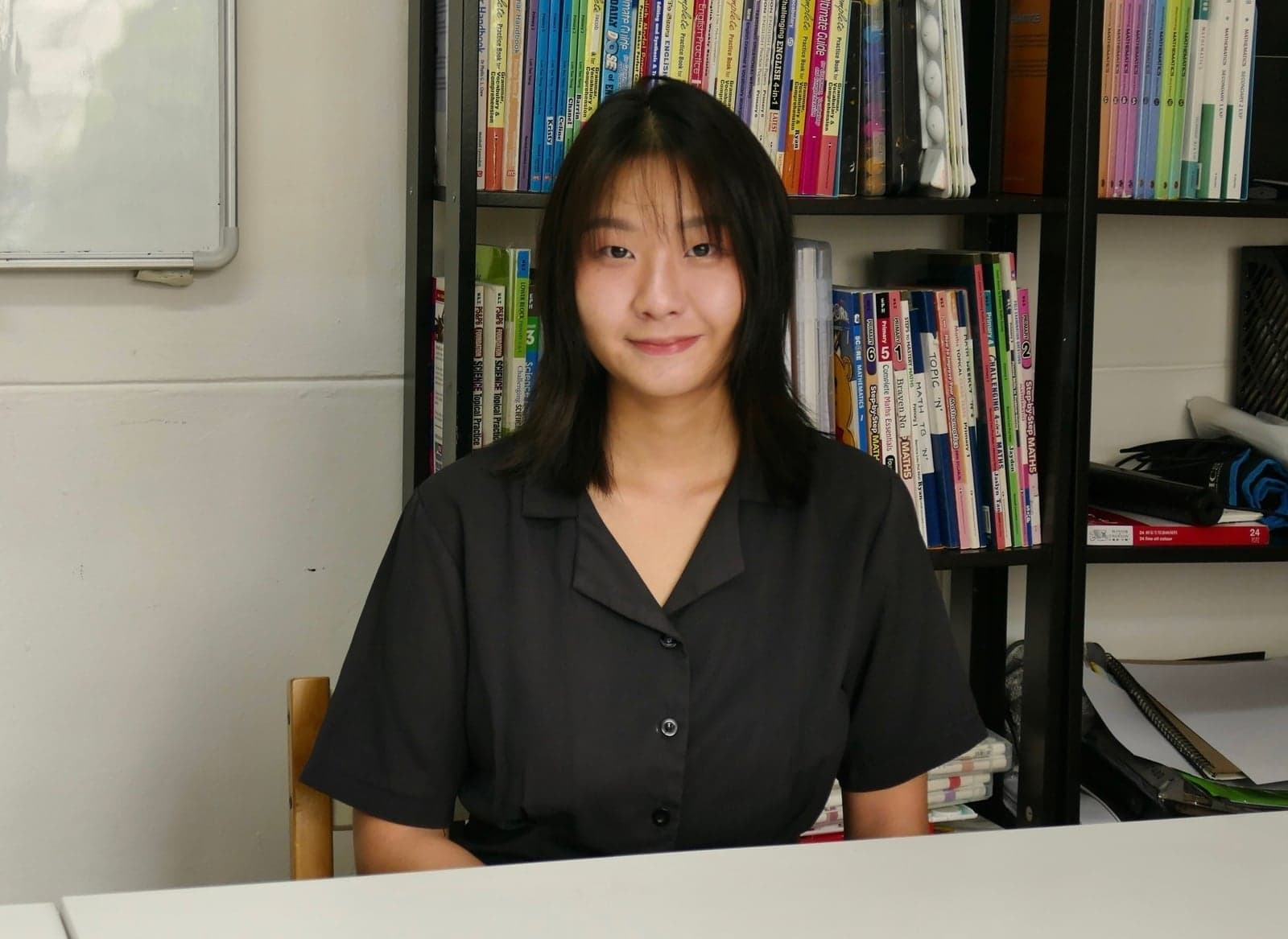
Early Childhood & Primary Education Specialist
Related Courses
Explore other courses that complement your learning journey
IB PYP 1 Mathematics
Develop early numeracy through inquiry-based mathematical exploration
IB PYP 1 Chinese
Build bilingual foundations with inquiry-led Chinese language learning
IB PYP 2 English
Continue literacy development with more independent reading and paragraph writing
IB PYP 3 English
Same subject family: PYP 3.
IB PYP 4 English
Same subject family: PYP 4.
IB PYP 5 English
Same subject family: PYP 5.
IB PYP 6 English
Same subject family: PYP 6.
IB PYP 1 Science
Recommends this course as a related programme.
Frequently Asked Questions
IB PYP emphasises inquiry-based learning, where children explore language through questions and real-world contexts rather than textbook-driven instruction. While both curricula build literacy skills, PYP integrates English into transdisciplinary themes, fostering curiosity and deeper understanding. Read our IB vs MOE curriculum comparison.
Inquiry-based learning encourages children to ask questions and explore answers through stories, discussions, and hands-on activities. In PYP 1, this means learning phonics and vocabulary through themes like "Who We Are", making language meaningful and connected to their world.
Our PYP 1 English course builds foundational literacy skills including phonics, sight words, and early sentence writing. Children develop the inquiry mindset and oral confidence needed for more independent reading and structured writing in PYP 2.
Our small-group classes are capped at 6 students and typically run 3 to 6, so every learner receives close guidance, timely feedback, and ample practice.
Each lesson is 1.5 hours, providing ample time for thorough coverage of topics and interactive learning.
Yes. All lesson materials and worksheets are provided and included in the fees. Students should bring regular stationery and, where applicable, school textbooks/workbooks for reference.
Yes. Our materials and pacing align with the MOE syllabus. External syllabuses (e.g. IGCSE, IB) are available upon request.
Helpful Resources for Parents
In-depth guides on preparation strategies and learning tips
IB vs MOE Curriculum: Which Path Is Right for Your Child?
IB and MOE curricula suit different learning styles and goals. Compare teaching approaches, assessment methods, and outcomes to choose the right path.
Read more →Primary English Tips in Singapore: What Works
Practical strategies for improving Primary English in Singapore — reading habits, vocabulary building, grammar foundations, and structured writing practice for P1 to P4.
Read more →How to Choose the Right Tuition Centre in Singapore
An estimated 1,000-plus tuition centres compete in Singapore. How to evaluate class size, teaching methods, tutor qualifications, and pricing transparency before enrolling.
Read more →Deepen Your Learning
Comprehensive topic guides covering everything in this subject area.
English
Master English Language in Singapore — from composition writing and comprehension skills at Primary level to argumentative essays and summary writing for O-Level / SEC.
Browse guide →Study Tips & Exam Prep
Practical study tips and exam preparation strategies that work — from effective revision techniques and time management to past year paper strategies and exam day tips for Singapore students.
Browse guide →
Ready to Get Started?
Enquire now and experience our proven teaching methodology
💬 Have questions? WhatsApp us anytime — we typically respond within 2 hours
Also from Ancourage: Art classes for kids, teens & adults →