JC 2 H2 Geography Tuition
Ancourage Academy · JC · JC2
Content reviewed: Sep 2026
JC2 H2 Geography tuition at Ancourage Academy in Singapore (Bishan & Woodlands) offers intimate groups of up to 6 students, following Singapore's MOE A-Level syllabus. This subject runs on request rather than on a fixed weekly timetable — we confirm class and trial dates after your enquiry. Two-hour lessons use our ESB methodology to refine physical and human geography analysis, fieldwork integration, and evaluative essay writing for peak A-Level performance. "Environmental challenges demand geographic thinking—connecting systems, scales, and solutions," explains our teaching faculty. Our structured approach develops the analytical sophistication and global perspective required for top A-Level results.
In person at our Bishan and Woodlands centres.
What Makes Us Different
Our proven teaching methodology combines evidence-based approaches for maximum learning effectiveness

Ebbinghaus Memory Theory
Self-directed retrieval scheduling where students learn to identify their own weak areas and plan review cycles accordingly — developing the metacognitive skills essential for A-Level success and independent university study.
Socratic Questioning
Rigorous dialectic questioning where students must justify their reasoning and consider counterarguments — 'What evidence supports this?' and 'Where could this logic break down?' — building the analytical rigour expected in higher education.
Bruner's Scaffolding
Minimal scaffolding with maximum autonomy — tutors pose challenging problems and observe, intervening only when students are genuinely stuck — preparing students to structure their own approach to unfamiliar problems.
Key Learning Outcomes
Master Key Concepts
Deep understanding of core topics aligned with MOE syllabus
Critical Thinking
Develop analytical and problem-solving skills
Exam Confidence
Strategic exam techniques and time management
Consistent Results
Improved grades and academic performance
Tangible improvements include:
- Stronger confidence in tackling both structured and essay questions
- More sophisticated evaluation of geographical issues using case study evidence
- Improved consistency in prelims and timed practices
Course Structure
Duration
2 hours per lesson
Full coverage with interactive learning time
Class Size
3-6 students per class
Close guidance, timely feedback, and ample practice
Materials
All materials provided
No material fees — all worksheets and resources included
Curriculum Overview
- ✓Physical geography — In-depth study of tropical climates and drainage basins (Hadley cell circulation, monsoons, ENSO, drainage basin hydrology, fluvial floods) and landforms in the tropics (weathering, mass movement, karst and fluvial landforms).
- ✓Human geography — Deeper exploration of population, migration, urbanisation, development, and resource management.
- ✓Global issues — Evaluating challenges such as climate change, sustainability, and energy use, with global and regional perspectives.
- ✓Geographical inquiry and fieldwork — Planning, conducting, and evaluating investigations; applying field data to exam answers.
- ✓Data and diagrammatic skills — Mastery of interpreting and constructing maps, graphs, and models to support arguments.
- ✓Essay writing — Producing structured, evaluative essays with depth, supported by accurate case study evidence.
- ✓Examination readiness — Familiarity with H2 Geography exam format (structured, essay, and data-response); effective use of terminology, time management, and evaluative strategies.
What JC2 H2 Geography students commonly work on
- 1
Systems thinking — understanding interconnections between physical and human processes at multiple scales
- 2
Case study depth — providing detailed, specific evidence rather than surface-level references
- 3
Fieldwork integration — applying fieldwork methodology and findings in exam answers
- 4
Evaluative judgement — forming balanced conclusions considering multiple perspectives
- 5
Time management — maintaining quality across structured, essay, and data-response questions
Learning Progression
Builds On
JC1 H2 Geography foundations in physical systems, human geography, and fieldwork
Prepares For
A-Level H2 Geography examination and geography/environmental science degrees at university
Key Transition
JC2 demands integrated geographical thinking — students must synthesise physical and human perspectives while demonstrating fieldwork competence under examination conditions.
“A-Level Humanities subjects demand sophisticated source evaluation, comparative analysis, and extended essay writing. Our approach builds the academic writing discipline and analytical frameworks that students need for both internal assessments and the final A-Level examination.”
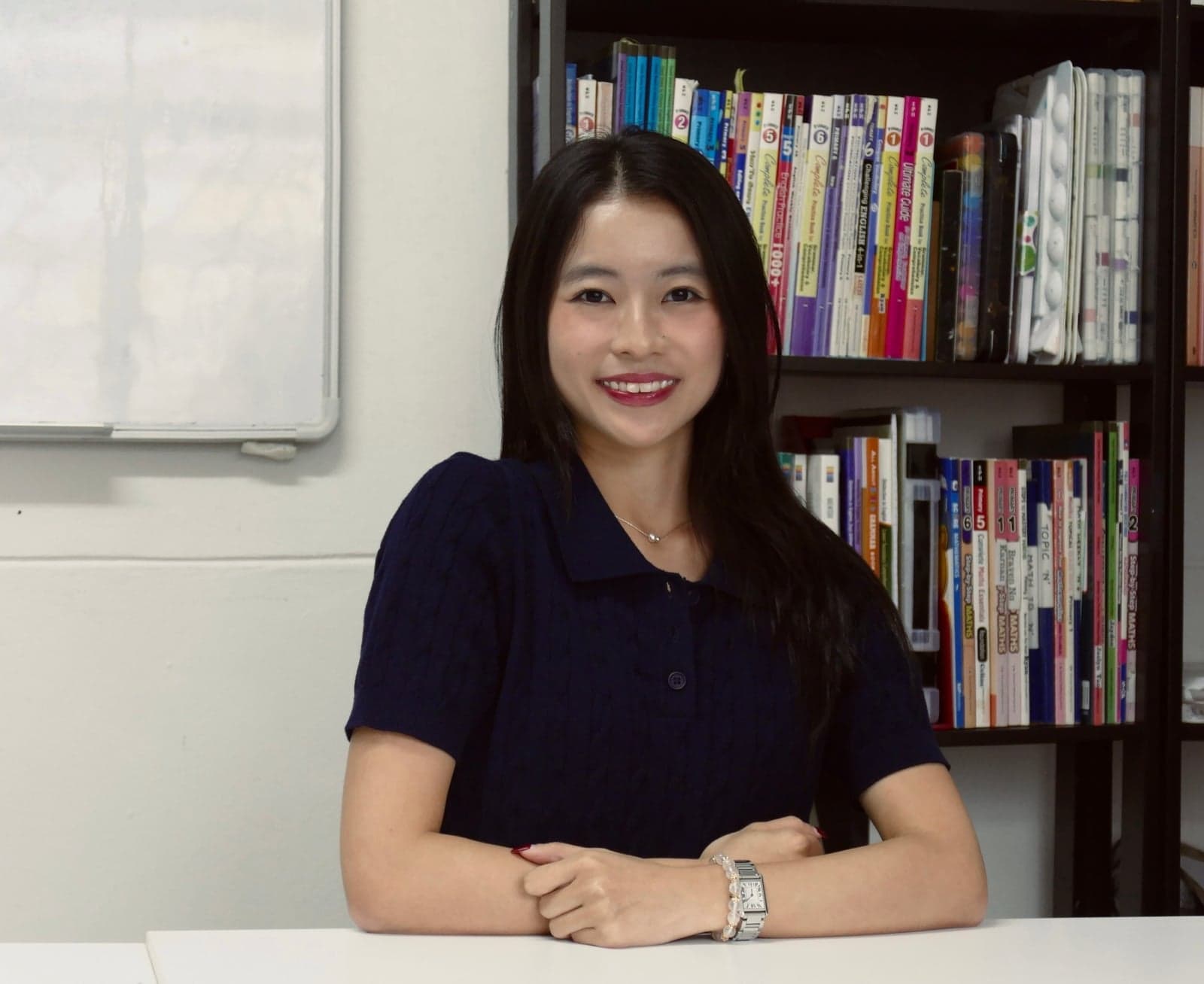
Founder & Academic Director
Related Courses
Explore other courses that complement your learning journey
JC2 H2 Biology
Biology complements geography with ecological understanding
JC2 H2 Economics
Economics provides frameworks for development analysis
JC1 H2 Geography
Review JC1 foundations if additional consolidation is needed
JC 1 H1 Geography
Same subject family: JC1 · H1 track.
JC 2 H1 Geography
Same subject family: JC2 · H1 track.
Frequently Asked Questions
Our GCE A-Level JC Geography programme teaches fieldwork methodology including sampling techniques, data collection methods, and analysis approaches. Students learn to apply fieldwork principles in exam answers and evaluate the reliability of geographical investigations. Read our guide on choosing a tuition centre.
Systems thinking means understanding how physical and human processes interconnect at multiple scales. We teach students to analyse feedback loops, identify cause-effect relationships, and evaluate how changes in one system affect others.
We teach students to use detailed case study evidence rather than generic statements. Essays that demonstrate specific knowledge and nuanced evaluation score higher than those relying on general points.
Ancourage Academy offers JC H2 Geography tuition in small groups of 3-6 at our Bishan and Woodlands centres, plus online classes. Lessons cover physical and human geography, fieldwork-based questions, and essay technique for the A-Level paper. Both centres are near major junior colleges, so students across northern and central Singapore can reach us without a long commute. H2 Geography runs on request — we confirm class and trial dates after your enquiry.
Yes! Our Woodlands centre at Vista Point is 5 minutes from Woodlands South MRT, serving JC2 H2 Geography students from Yishun Innova Junior College and the wider Woodlands, Yishun, Admiralty, and Sembawang area. Our lessons strengthen map reading, data analysis, and spatial reasoning skills. Book a trial class at Woodlands.
Our small-group classes are capped at 6 students and typically run 3 to 6, so every learner receives close guidance, timely feedback, and ample practice.
Each lesson is 2 hours, providing ample time for thorough coverage of topics and interactive learning.
Yes. All lesson materials and worksheets are provided and included in the fees. Students should bring regular stationery and, where applicable, school textbooks/workbooks for reference.
Yes. Our materials and pacing align with the MOE syllabus. External syllabuses (e.g. IGCSE, IB) are available upon request.
Helpful Resources for Parents
In-depth guides on preparation strategies and learning tips
Secondary to JC Transition: What Students Must Know
The jump from Secondary to JC is one of the toughest academic transitions. Learn what changes, how to prepare, and strategies to thrive in Junior College.
Read more →JC Tuition in Bishan: A-Level Preparation Guide
JCs near Bishan include Eunoia JC, Raffles Institution, and Catholic JC. A-Level preparation strategies across key H1 and H2 subjects.
Read more →O-Level Humanities: History, Geography & SS Guide
O-Level Combined Humanities — compulsory Social Studies with elective History, Geography, or Literature. How to prepare for each component.
Read more →Deepen Your Learning
Comprehensive topic guides covering everything in this subject area.
Junior College (JC)
Navigate Junior College life in Singapore — from choosing H1/H2 subject combinations to mastering A-Level content, managing the JC workload, and preparing for university admissions.
Browse guide →Study Tips & Exam Prep
Practical study tips and exam preparation strategies that work — from effective revision techniques and time management to past year paper strategies and exam day tips for Singapore students.
Browse guide →
Ready to Get Started?
Enquire now and experience our proven teaching methodology
💬 Have questions? WhatsApp us anytime — we typically respond within 2 hours
Also from Ancourage: Art classes for kids, teens & adults →