IB MYP 6 English Tuition
Ancourage Academy · IB MYP · MYP 6
Content reviewed: Sep 2026
IB MYP 6 (MYP Year 1) English tuition at Ancourage Academy in Singapore (Bishan & Woodlands) offers intimate groups of up to 6 students, aligned with the IB Middle Years Programme Language and Literature framework. Weekly 2-hour lessons use our ESB methodology to develop text analysis, essay structure, and critical communication for MYP criterion-based assessment. "MYP Language develops critical readers who analyse texts across cultures and contexts," explains our teaching faculty. Our structured approach helps students transition smoothly from PYP with confident analytical reading and structured writing skills.
In person at our Bishan and Woodlands centres.
What Makes Us Different
Our proven teaching methodology combines evidence-based approaches for maximum learning effectiveness

Ebbinghaus Memory Theory
Spaced retrieval of grammar rules, vocabulary, and comprehension techniques — weekly language quizzes, fortnightly essay rewrites, and term-end timed practices — so skills stay exam-ready rather than crammed and forgotten.
Socratic Questioning
Targeted questions on passages and compositions — 'What is the author's purpose here?' and 'Can you rephrase this more precisely?' — training students to evaluate language critically and revise their own writing.
Bruner's Scaffolding
From annotated model answers to guided drafts to independent composition — tutors progressively withdraw sentence starters, planning scaffolds, and editing checklists as students internalise the writing process.
Key Learning Outcomes
Master Key Concepts
Deep understanding of core topics aligned with MOE syllabus
Critical Thinking
Develop analytical and problem-solving skills
Exam Confidence
Strategic exam techniques and time management
Consistent Results
Improved grades and academic performance
Parents often notice:
- A smoother transition into the more rigorous MYP expectations
- Increased ability to express ideas clearly in both speech and writing
- Growing independence in reading comprehension and textual analysis
Course Structure
Duration
2 hours per lesson
Full coverage with interactive learning time
Class Size
3-6 students per class
Close guidance, timely feedback, and ample practice
Materials
All materials provided
No material fees — all worksheets and resources included
Curriculum Overview
- ✓Reading comprehension and analysis — Interpreting fiction and non-fiction texts; identifying main ideas, themes, and perspectives.
- ✓Writing development — Producing structured paragraphs and short essays; focusing on organisation, grammar, and clarity.
- ✓Language and vocabulary — Expanding academic vocabulary; using appropriate style and register in different contexts.
- ✓Speaking and listening — Developing confidence in discussions, debates, and oral presentations.
- ✓Literature appreciation — Exploring themes of culture, identity, and relationships through age-appropriate texts.
- ✓Critical thinking — Beginning to evaluate characters, settings, and authorial choices; forming personal responses supported by evidence.
- ✓Assessment readiness — Familiarity with MYP assessment criteria (Analysing, Organizing, Producing Text, and Using Language) to build a strong foundation for MYP 7–10 (IB MYP Years 2–5).
What MYP 6 English students commonly work on
- 1
Transition adjustment — adapting from PYP inquiry-based learning to MYP structured analysis
- 2
Textual analysis — moving beyond comprehension to analyse author purpose and techniques
- 3
Writing organisation — structuring paragraphs with clear topic sentences and supporting evidence
- 4
Academic vocabulary — expanding vocabulary for analytical responses
- 5
Assessment criteria — understanding MYP criterion-based assessment expectations
Learning Progression
Builds On
IB PYP literacy and communication foundations
Prepares For
MYP 7-8 deeper literary analysis and essay writing
Key Transition
MYP 6 bridges PYP exploration and MYP structure — students develop systematic analytical approaches while maintaining inquiry habits.
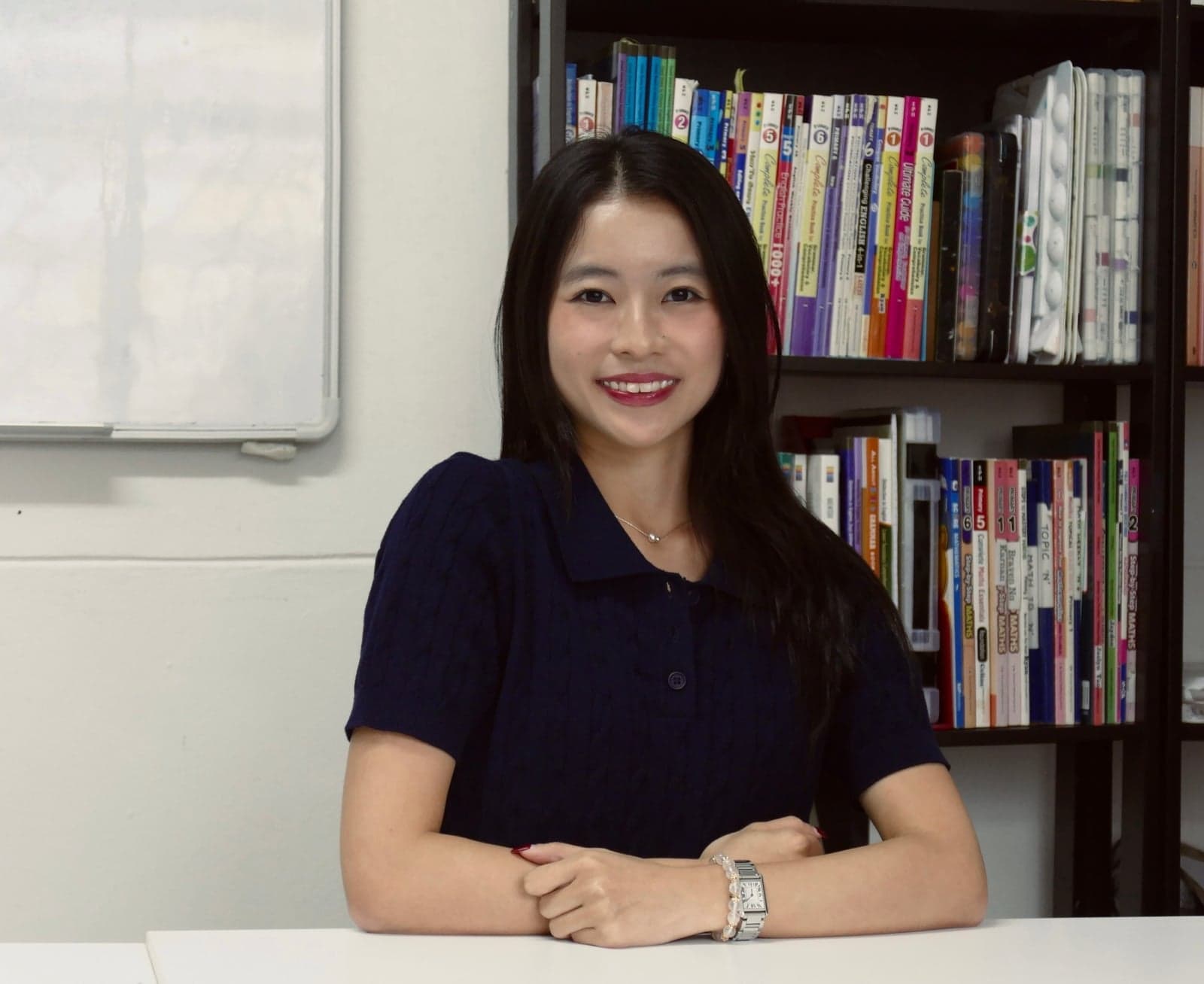
“MYP’s criterion-based assessment requires a different preparation approach from traditional exams. We help students understand what each criterion actually demands and develop the analytical and communication skills that consistently earn top achievement levels.”
Founder & Academic Director
Related Courses
Explore other courses that complement your learning journey
MYP 6 Mathematics
Develop logical reasoning alongside literacy skills for well-rounded MYP preparation
MYP 7 English
Continue English development with deeper literary analysis and essay writing
MYP 6 Integrated Science
Connect language skills to scientific inquiry and communication
IB MYP 8 English
Same subject family: MYP 8.
IB MYP 9 English
Same subject family: MYP 9.
IB MYP 10 English
Same subject family: MYP 10.
IB PYP 6 English
Recommends this course as a related programme.
IB MYP 6 History
Recommends this course as a related programme.
Frequently Asked Questions
MYP 6 introduces criterion-based assessment with four criteria (Analysing, Organizing, Producing Text, Using Language). Students transition from exploratory PYP learning to more structured analytical approaches while maintaining inquiry habits. For English, this includes analysing a wide range of literary and non-literary texts.
MYP Language and Literature uses four criteria: Criterion A (Analysing), Criterion B (Organizing), Criterion C (Producing Text), and Criterion D (Using Language). Each is assessed on a scale of 0-8 and contributes to the overall grade. In English, students apply these criteria to English texts and compositions.
Approaches to Learning (ATL) skills such as critical thinking, communication, and research are integrated throughout the course. Students develop these transferable skills while building their language and literature foundations. In English, ATL skills enhance literary analysis and academic writing proficiency.
MYP English explores global contexts like Personal and Cultural Expression (examining how language and literature express ideas, feelings, and cultural values) and Identities and Relationships (understanding how texts reflect personal and social identity). Students analyse how authors use language to communicate meaning across cultures. Read our IB vs MOE curriculum comparison.
Our small-group classes are capped at 6 students and typically run 3 to 6, so every learner receives close guidance, timely feedback, and ample practice.
Each lesson is 2 hours, providing ample time for thorough coverage of topics and interactive learning.
Yes. All lesson materials and worksheets are provided and included in the fees. Students should bring regular stationery and, where applicable, school textbooks/workbooks for reference.
Yes. Our materials and pacing align with the MOE syllabus. External syllabuses (e.g. IGCSE, IB) are available upon request.
Helpful Resources for Parents
In-depth guides on preparation strategies and learning tips
IB vs MOE Curriculum: Which Path Is Right for Your Child?
IB and MOE curricula suit different learning styles and goals. Compare teaching approaches, assessment methods, and outcomes to choose the right path.
Read more →Secondary English: Strategies for O-Level / SEC Success
O-Level / SEC English strategies — comprehension techniques, essay writing frameworks, and oral exam preparation for secondary students in Singapore.
Read more →How to Choose the Right Tuition Centre in Singapore
An estimated 1,000-plus tuition centres compete in Singapore. How to evaluate class size, teaching methods, tutor qualifications, and pricing transparency before enrolling.
Read more →IGCSE Tuition Singapore: Cambridge International Exam Guide
IGCSE tuition in Singapore for Cambridge International students — exam techniques, curriculum support, and preparation for IB Diploma or A-Level pathways.
Read more →Deepen Your Learning
Comprehensive topic guides covering everything in this subject area.
English
Master English Language in Singapore — from composition writing and comprehension skills at Primary level to argumentative essays and summary writing for O-Level / SEC.
Browse guide →Study Tips & Exam Prep
Practical study tips and exam preparation strategies that work — from effective revision techniques and time management to past year paper strategies and exam day tips for Singapore students.
Browse guide →
Ready to Get Started?
Enquire now and experience our proven teaching methodology
💬 Have questions? WhatsApp us anytime — we typically respond within 2 hours
Also from Ancourage: Art classes for kids, teens & adults →