IB MYP 6 Chemistry Tuition
Ancourage Academy · IB MYP · MYP 6
Content reviewed: Sep 2026
IB MYP 6 (MYP Year 1) Chemistry tuition at Ancourage Academy in Singapore (Bishan & Woodlands) offers small-group classes of 3-6 students, aligned with the IB Middle Years Programme Sciences framework. Weekly 2-hour lessons use our ESB methodology to develop understanding of matter, chemical changes, and practical experimentation for MYP criterion-based assessment. "Understanding scientific principles means seeing the invisible forces that shape our world," explains our teaching faculty. Our structured approach helps students transition smoothly from PYP with confident laboratory skills and scientific inquiry methods.
In person at our Bishan and Woodlands centres.
What Makes Us Different
Our proven teaching methodology combines evidence-based approaches for maximum learning effectiveness

Ebbinghaus Memory Theory
Spaced retrieval practice across Physics, Chemistry, and Biology topics — weekly concept checks, monthly cross-topic quizzes, and term revision papers — timed to reinforce scientific vocabulary and process skills before they weaken.
Socratic Questioning
Questions that link experimental evidence to theory — 'What does your data suggest about this hypothesis?' and 'How would you redesign this experiment to improve reliability?' — training students to think like scientists, not just recall facts.
Bruner's Scaffolding
From fully guided practical reports to template-supported analysis to independent evaluation — tutors reduce scaffolding step by step, ensuring students can plan experiments, interpret data, and draw conclusions on their own.
Key Learning Outcomes
Master Key Concepts
Deep understanding of core topics aligned with MOE syllabus
Critical Thinking
Develop analytical and problem-solving skills
Exam Confidence
Strategic exam techniques and time management
Consistent Results
Improved grades and academic performance
Parents often notice:
- Greater interest in exploring materials and chemical changes
- Improved ability to explain everyday phenomena (e.g., dissolving, burning, rusting) with scientific language
- Stronger skills in conducting and reflecting on experiments
Course Structure
Duration
2 hours per lesson
Full coverage with interactive learning time
Class Size
3-6 students per class
Close guidance, timely feedback, and ample practice
Materials
All materials provided
No material fees — all worksheets and resources included
Curriculum Overview
- ✓Matter and particles — Introduction to states of matter (solid, liquid, gas); particle model; changes of state.
- ✓Mixtures and separation — Exploring mixtures, solutions, and methods such as filtration, evaporation, and distillation.
- ✓Elements, compounds and reactions — Understanding the difference between elements, compounds, and mixtures; recognising simple chemical reactions.
- ✓Acids and bases — Introduction to acids, bases, indicators, and neutralisation in daily life contexts.
- ✓Energy in reactions — Observing exothermic and endothermic changes through simple experiments.
- ✓Scientific inquiry — Planning and carrying out investigations; making observations; recording and analysing results.
- ✓Global connections — Linking chemistry to issues such as pollution, recycling, and the sustainable use of materials.
- ✓Assessment readiness — Building familiarity with MYP Sciences assessment criteria: Knowing and Understanding, Inquiring and Designing, Processing and Evaluating, Reflecting on the Impacts of Science.
What MYP 6 Chemistry students commonly work on
- 1
Abstract concepts — understanding particle models and states of matter at a conceptual level
- 2
Scientific terminology — using correct chemical vocabulary for reactions and substances
- 3
Practical skills — conducting safe experiments and recording observations systematically
- 4
Connecting theory to practice — explaining everyday phenomena using chemical principles
- 5
Assessment criteria — meeting MYP Sciences criterion expectations
Learning Progression
Builds On
IB PYP exploration of materials and changes
Prepares For
MYP 7-8 deeper study of elements, compounds, and chemical reactions
Key Transition
MYP 6 introduces formal chemical thinking — students learn to explain observations using particle models and scientific reasoning.
“The IB sciences reward inquiry as much as coverage. A student who can design a fair test and justify why they chose those variables is already doing the thing the Diploma actually rewards.”
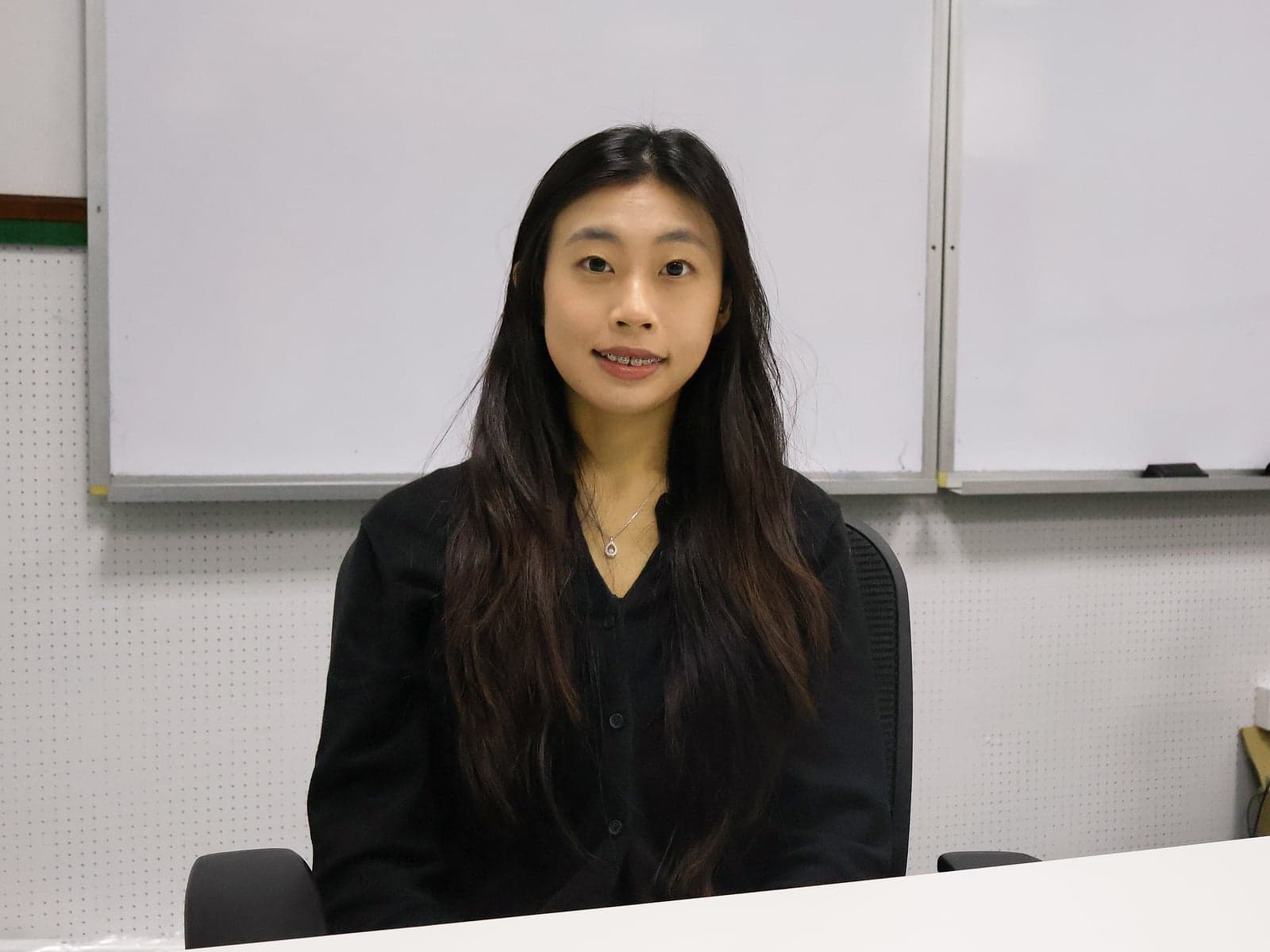
Woodlands Centre Manager & Teacher
Related Courses
Explore other courses that complement your learning journey
MYP 6 Physics
Explore physical principles alongside chemical understanding
MYP 7 Chemistry
Continue with deeper study of elements, compounds, and reactions
MYP 6 Biology
Apply chemistry concepts to understand biochemical processes in living organisms
IB MYP 8 Chemistry
Same subject family: MYP 8.
IB MYP 9 Chemistry
Same subject family: MYP 9.
IB MYP 10 Chemistry
Same subject family: MYP 10.
IB MYP 6 Integrated Science
Recommends this course as a related programme.
Frequently Asked Questions
MYP 6 introduces systematic study of matter using particle models and criterion-based assessment. Students transition from observational PYP inquiry to structured chemical investigations, learning to explain phenomena at the molecular level.
Students develop laboratory skills including safe handling of materials, measurement techniques, separation methods, and systematic observation. They learn to design fair tests, record data accurately, and draw evidence-based conclusions.
MYP 6 Chemistry connects to global contexts through topics like pollution, recycling, and sustainable materials. Students learn to explain everyday phenomena such as cooking changes, cleaning products, and material properties using scientific principles. Read our IB vs MOE curriculum comparison.
Our small-group classes are capped at 6 students and typically run 3 to 6, so every learner receives close guidance, timely feedback, and ample practice.
Each lesson is 2 hours, providing ample time for thorough coverage of topics and interactive learning.
Yes. All lesson materials and worksheets are provided and included in the fees. Students should bring regular stationery and, where applicable, school textbooks/workbooks for reference.
Yes. Our materials and pacing align with the MOE syllabus. External syllabuses (e.g. IGCSE, IB) are available upon request.
Helpful Resources for Parents
In-depth guides on preparation strategies and learning tips
IB vs MOE Curriculum: Which Path Is Right for Your Child?
IB and MOE curricula suit different learning styles and goals. Compare teaching approaches, assessment methods, and outcomes to choose the right path.
Read more →Pure and Combined Science: O-Level / SEC Strategies
O-Level Science techniques — focused strategies for Physics, Chemistry, and Biology. Stronger answering structure and consistent exam performance.
Read more →Combined Science vs Pure Science: Which to Choose
Combined Science covers two subjects in one O-Level grade while Pure Sciences give separate grades. Here is how to decide which path suits your child.
Read more →IGCSE Tuition Singapore: Cambridge International Exam Guide
IGCSE tuition in Singapore for Cambridge International students — exam techniques, curriculum support, and preparation for IB Diploma or A-Level pathways.
Read more →Deepen Your Learning
Comprehensive topic guides covering everything in this subject area.
Science
Your guide to Science education in Singapore — from Primary school foundations to Secondary combined and pure sciences, including Biology, Chemistry, and Physics.
Browse guide →Study Tips & Exam Prep
Practical study tips and exam preparation strategies that work — from effective revision techniques and time management to past year paper strategies and exam day tips for Singapore students.
Browse guide →
Ready to Get Started?
Enquire now and experience our proven teaching methodology
💬 Have questions? WhatsApp us anytime — we typically respond within 2 hours
Also from Ancourage: Art classes for kids, teens & adults →