IB DP 1 Geography (HL) Tuition
Ancourage Academy · IB DP · DP 1
Content reviewed: Sep 2026
IB DP 1 Geography (HL) tuition at Ancourage Academy in Singapore (Bishan & Woodlands) offers intimate groups of up to 6 students, aligned with the IB Diploma Programme Group 3 syllabus. This subject runs on request rather than on a fixed weekly timetable — we confirm class and trial dates after your enquiry. Two-hour lessons use our ESB methodology to develop advanced spatial analysis, global interactions understanding, and extended essay writing. "DP Geography demands both fieldwork skills and analytical essay writing—students who connect local observations to global patterns excel," explains our teaching faculty. Our structured approach helps students master three optional themes plus global interactions for Paper 3.
In person at our Bishan and Woodlands centres.
What Makes Us Different
Our proven teaching methodology combines evidence-based approaches for maximum learning effectiveness

Ebbinghaus Memory Theory
Self-directed retrieval scheduling where students learn to identify their own weak areas and plan review cycles accordingly — developing the metacognitive skills essential for IB Diploma Internal Assessment and the final Papers.
Socratic Questioning
Rigorous dialectic questioning where students must justify their reasoning and consider counterarguments — 'What evidence supports this?' and 'Where could this logic break down?' — building the analytical rigour expected in higher education.
Bruner's Scaffolding
Minimal scaffolding with maximum autonomy — tutors pose challenging problems and observe, intervening only when students are genuinely stuck — preparing students to structure their own approach to unfamiliar problems.
Key Learning Outcomes
Master Key Concepts
Deep understanding of core topics aligned with MOE syllabus
Critical Thinking
Develop analytical and problem-solving skills
Exam Confidence
Strategic exam techniques and time management
Consistent Results
Improved grades and academic performance
Course Structure
Duration
2 hours per lesson
Full coverage with interactive learning time
Class Size
3-6 students per class
Close guidance, timely feedback, and ample practice
Materials
All materials provided
No material fees — all worksheets and resources included
Curriculum Overview
- ✓Core theme (SL and HL)
- ✓Geographic perspectives: global change — population, migration, resource consumption, and sustainability.
- ✓Optional themes (three studied at HL, e.g.):
- ✓Freshwater systems and water–food–energy nexus
- ✓Geophysical hazards
- ✓Leisure, tourism, and sport
- ✓Urban environments
- ✓HL extension (HL only)
- ✓Global interactions — Power, global networks, trade, cultural diffusion, human rights, and environmental impacts.
- ✓Geographical inquiry — Advanced fieldwork and synthesis of data to form evaluative conclusions.
What IB DP 1 Geography HL students commonly work on
- 1
Global interactions depth — understanding power, networks, and globalisation for Paper 3
- 2
Extended essay technique — sustaining arguments across longer HL responses with case studies
- 3
IA planning — designing sophisticated fieldwork with appropriate methodology
- 4
Cross-theme connections — linking core, optional, and HL extension content
- 5
Evaluative sophistication — developing balanced arguments about complex geographical issues
Learning Progression
Builds On
MYP Individuals and Societies with geographical foundations and analytical skills
Prepares For
DP 2 Geography HL with Paper 3 preparation and global interactions mastery
Key Transition
DP 1 builds global perspective — understanding global interactions prepares students for Year 2 HL demands.
“IB DP Humanities papers test the ability to synthesise complex material, evaluate competing interpretations, and write persuasively under time pressure. Our structured approach to essay planning, source analysis, and Internal Assessment preparation helps students develop the academic maturity that IB examiners reward with top marks.”
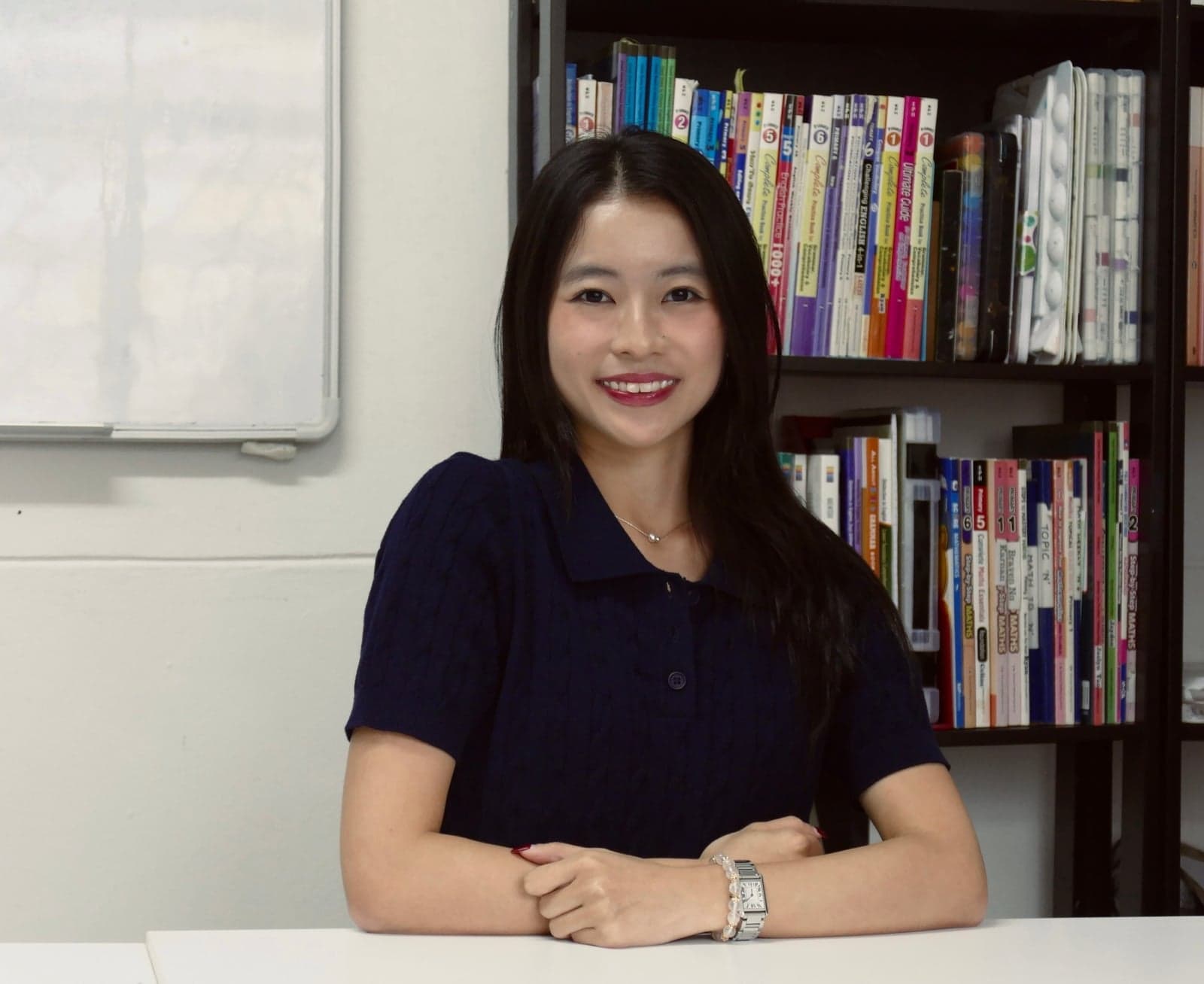
Founder & Academic Director
Related Courses
Explore other courses that complement your learning journey
IB DP 2 Geography (HL)
Continue to DP 2 for Paper 3 preparation and exam mastery
IB DP 1 Economics (HL)
Strong pairing for development and international studies
IB DP 1 AI Maths (HL)
Build statistical analysis skills for geographical data
IB DP 1 Geography (SL)
Same subject family: DP 1 · SL track.
IB DP 2 Geography (SL)
Same subject family: DP 2 · SL track.
Frequently Asked Questions
HL covers three optional themes (vs two at SL) plus the global interactions extension and Paper 3 exam. Expect deeper analysis and more case study knowledge. Choose HL if pursuing geography, environmental science, or development studies at university. Read our IB vs MOE curriculum comparison.
The HL-only extension covers power, networks, trade, cultural diffusion, and sustainability at a global scale. Paper 3 tests synthesis of these themes with specific case study evidence.
Geography HL demonstrates interdisciplinary thinking combining physical and human systems. It is valued for environmental science, urban planning, international development, and social science programmes.
Our small-group classes are capped at 6 students and typically run 3 to 6, so every learner receives close guidance, timely feedback, and ample practice.
Each lesson is 2 hours, providing ample time for thorough coverage of topics and interactive learning.
Yes. All lesson materials and worksheets are provided and included in the fees. Students should bring regular stationery and, where applicable, school textbooks/workbooks for reference.
Yes. Our materials and pacing align with the MOE syllabus. External syllabuses (e.g. IGCSE, IB) are available upon request.
Helpful Resources for Parents
In-depth guides on preparation strategies and learning tips
IB vs MOE Curriculum: Which Path Is Right for Your Child?
IB and MOE curricula suit different learning styles and goals. Compare teaching approaches, assessment methods, and outcomes to choose the right path.
Read more →O-Level Humanities: History, Geography & SS Guide
O-Level Combined Humanities — compulsory Social Studies with elective History, Geography, or Literature. How to prepare for each component.
Read more →Group Tuition vs Private Tuition: Which Works Better
Group tuition vs private tuition — what research says, which suits different learning goals, and how to choose the right format for your child.
Read more →Deepen Your Learning
Comprehensive topic guides covering everything in this subject area.
Ready to Get Started?
Enquire now and experience our proven teaching methodology
💬 Have questions? WhatsApp us anytime — we typically respond within 2 hours
Also from Ancourage: Art classes for kids, teens & adults →